| Home | Current show | Photography/Calligraphy | Show archives | Japanese pottery | Tea bowls | Sumi-e | Gallery tour | Wabi sabi |

Touching Stone Gallery Santa Fe New Mexico USA
www.touchingstone.com Email: director@touchingstone.com
Touching Stone Gallery Santa Fe New Mexico USA
www.touchingstone.com Email: director@touchingstone.com
| Tadashi Mori |
| Enku |
| August 5 - 31, 2005 Click here to see Tadashi Mori's new show |
 |
|
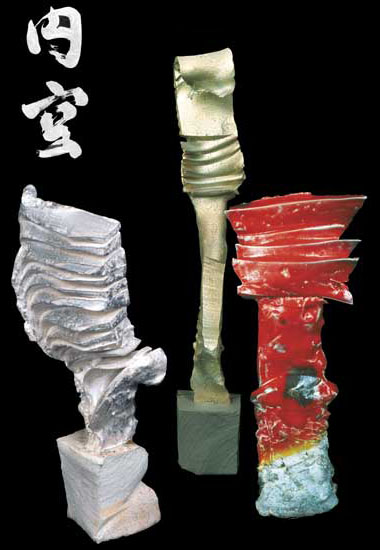
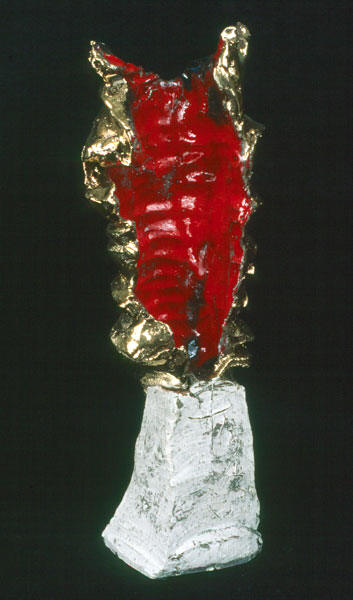
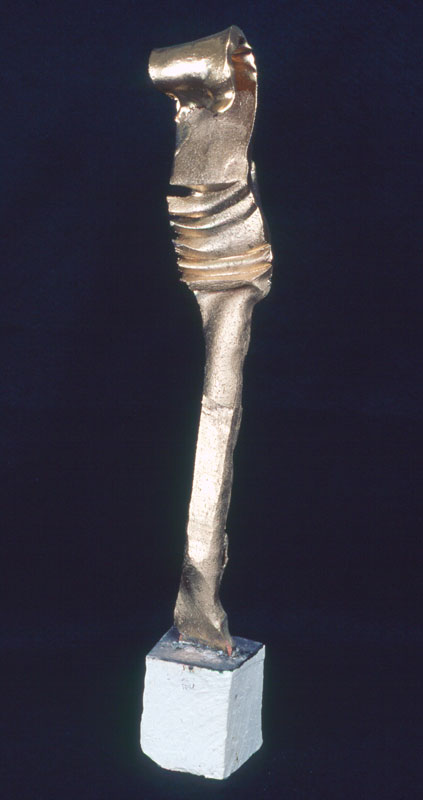
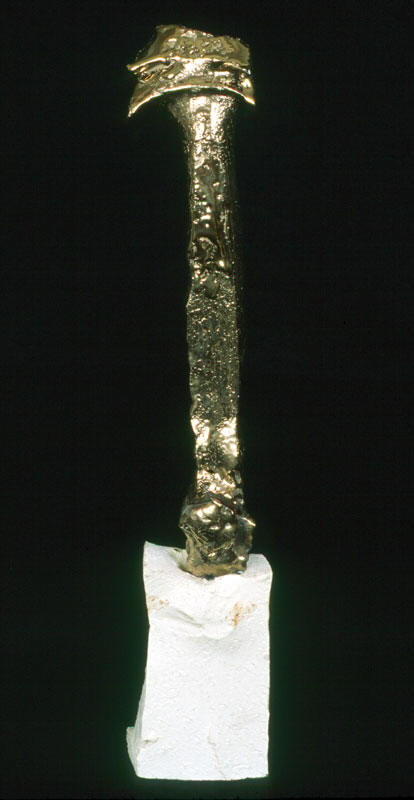
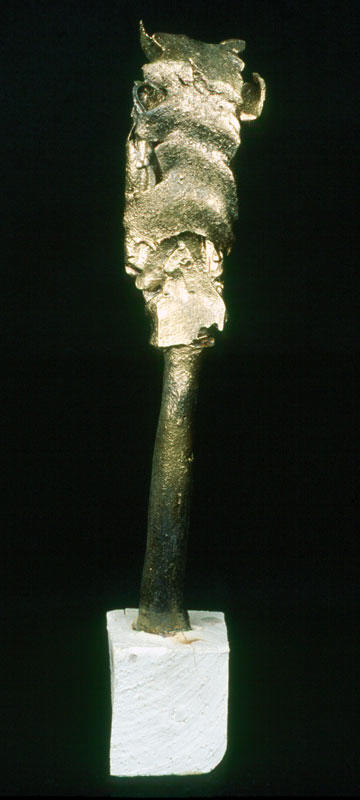
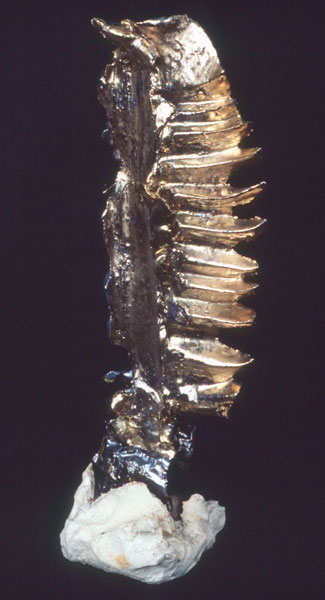
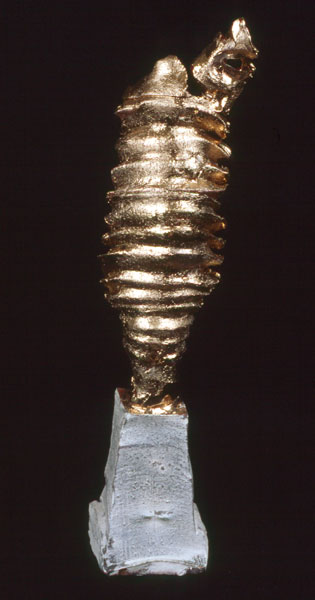
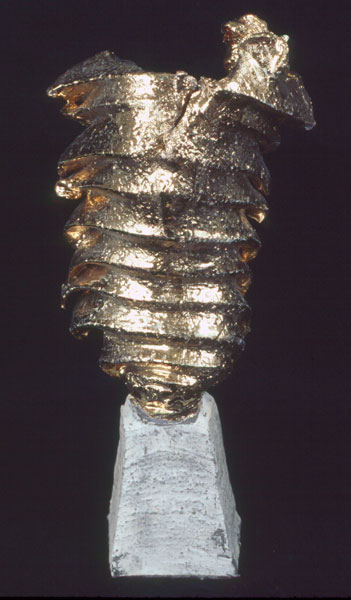
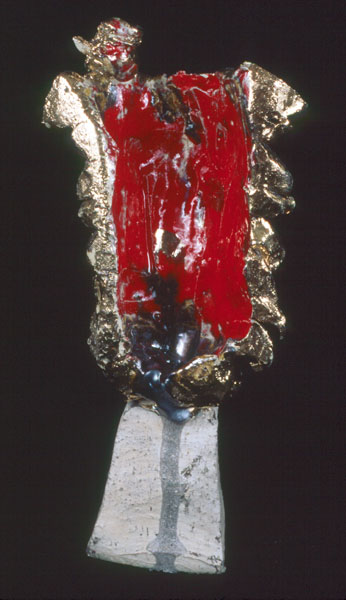
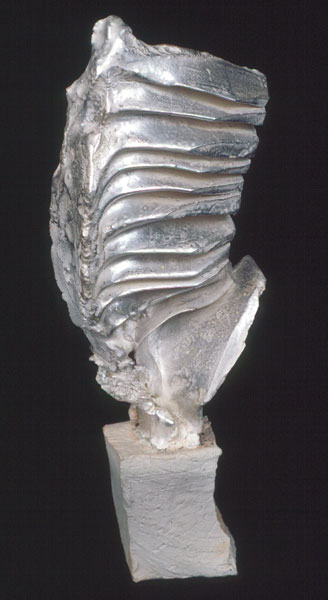
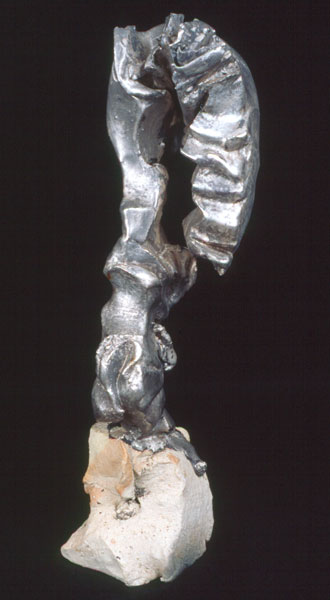
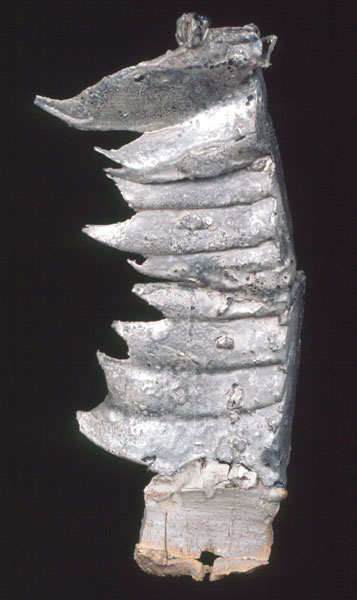
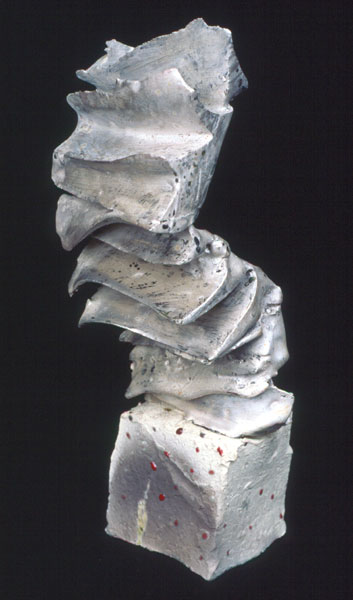
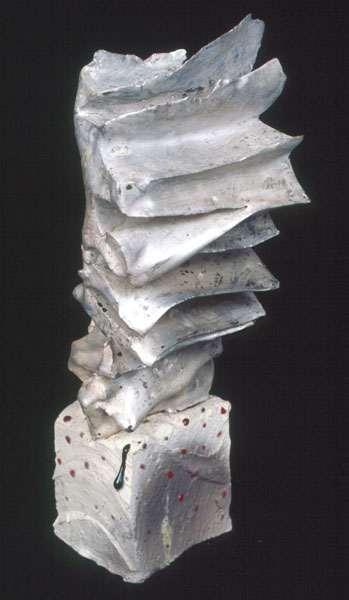
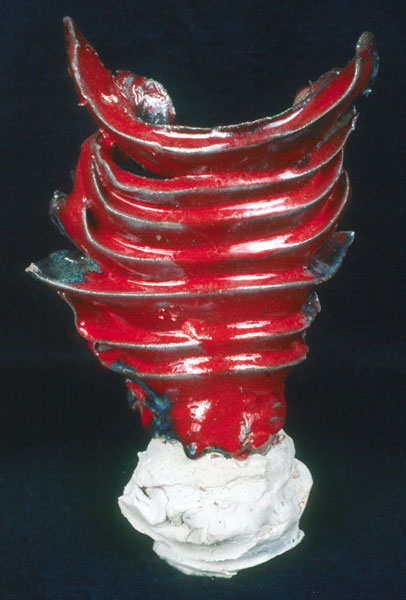
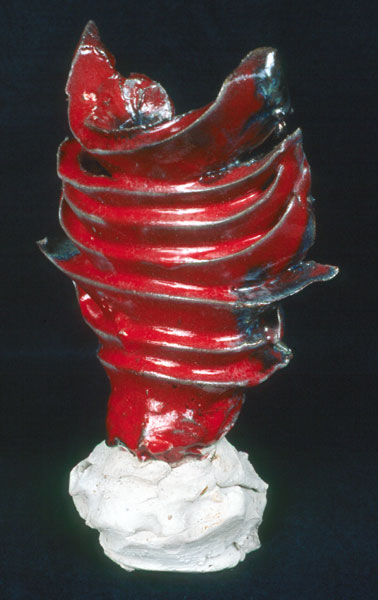
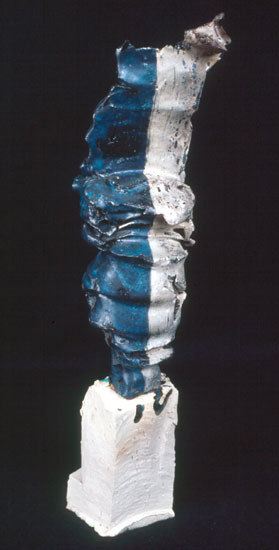
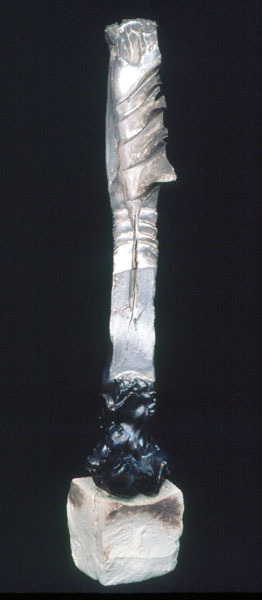
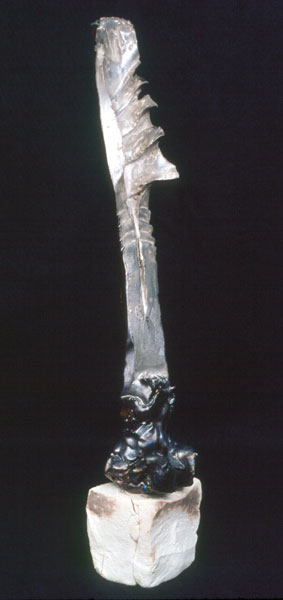
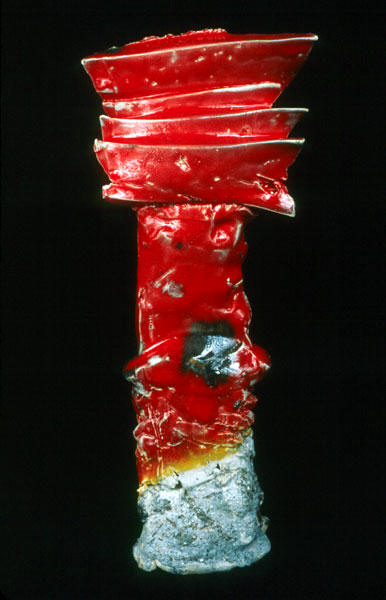
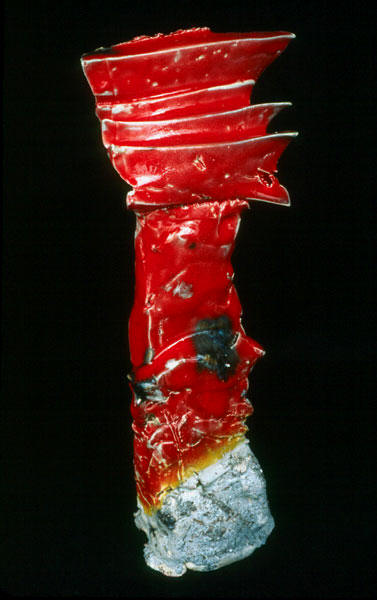
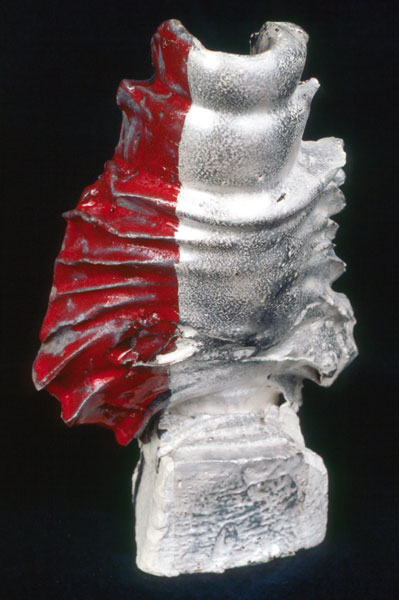
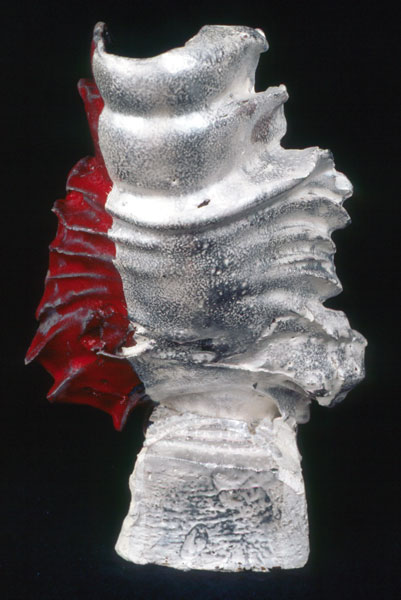
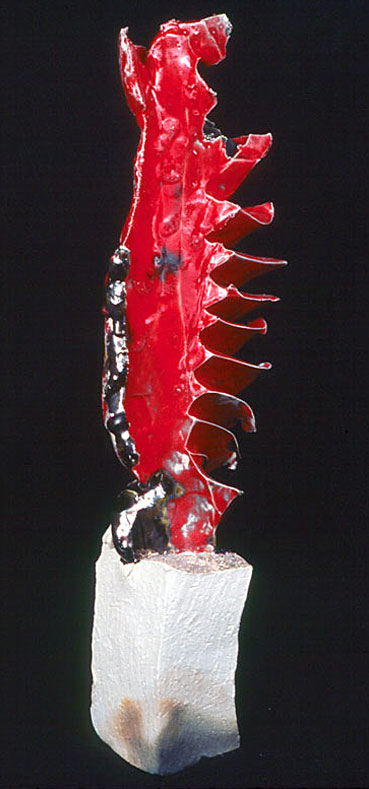
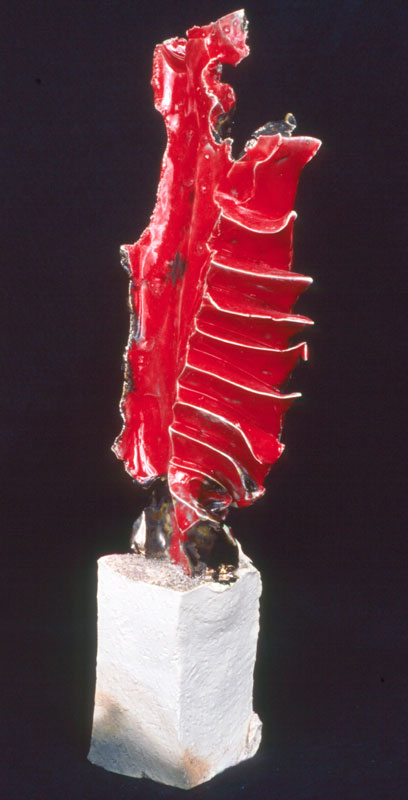
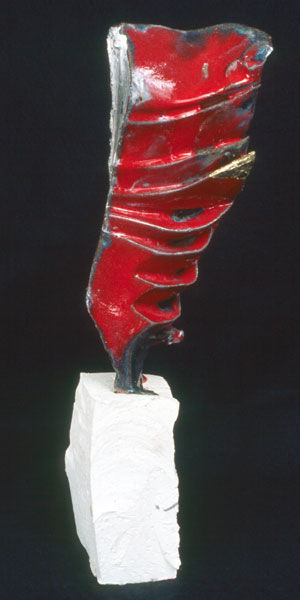
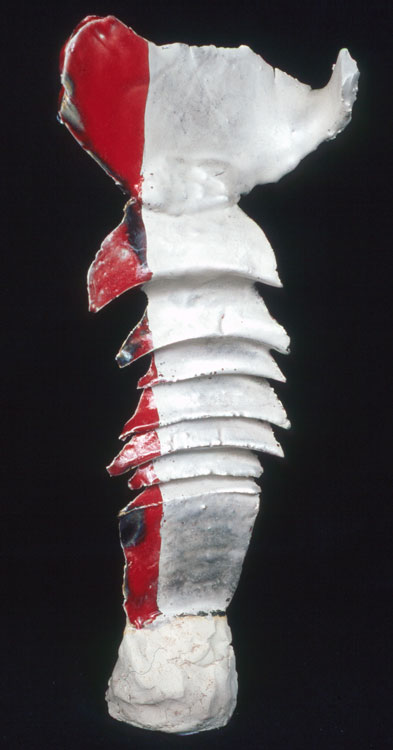
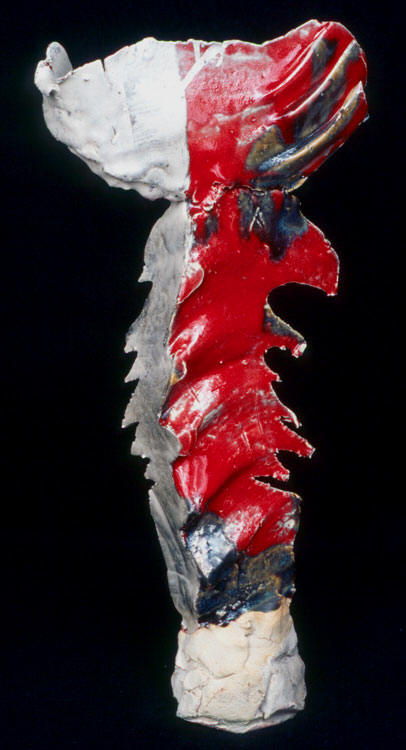
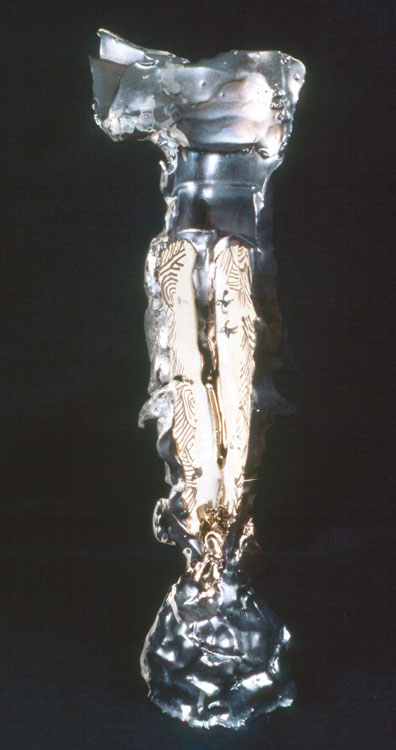
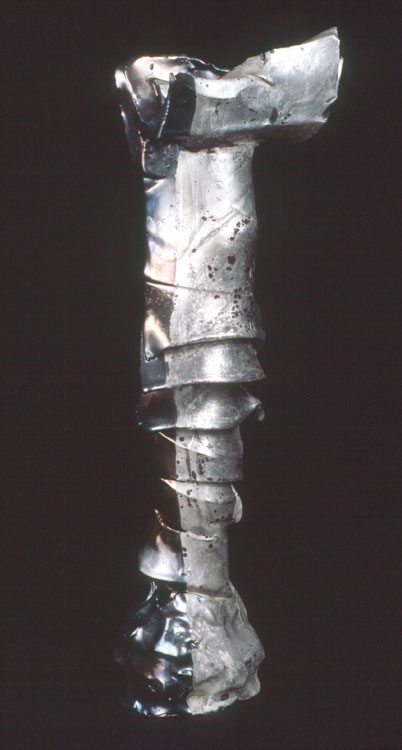
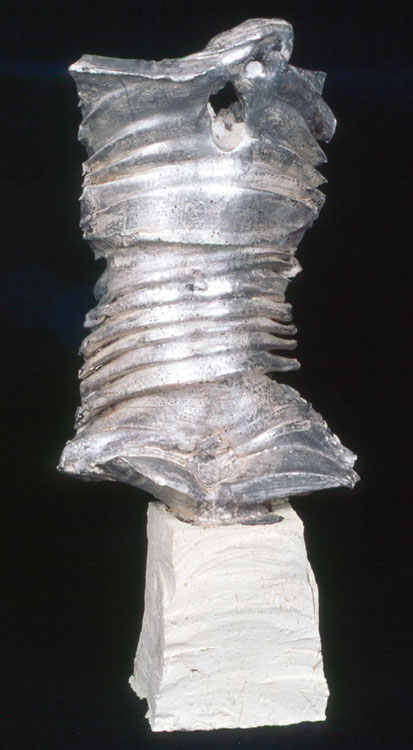
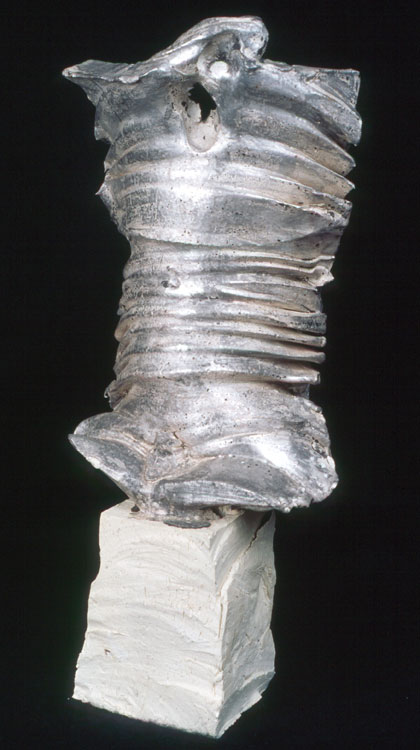
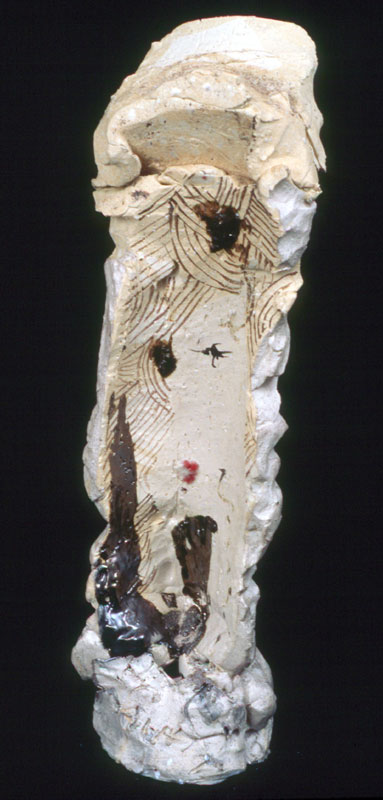
Tadashi Mori 森 正 'Enku' show During the early Edo period, a Buddhist monk named Enku (1632-1695) wandered all over Japan, helping the poor along the way. During his travels, he carved some 120,000 wooden statues of the Buddha. No two were alike, these were not elaborate monuments for self-aggrandizement. Many of the statues were crudely carved from tree stumps or scrap wood with a few strokes of a hatchet. Some were given to comfort those who had lost family members, others to guide the dying on their journeys to the afterlife. Thousands of these wooden statues remain today all over Japan. As a young man, Tadashi Mori (b. 1940) aspired to be a sculptor. He once retraced Enku’s footsteps around Japan to see those wood carvings. When Mori found his first job in the design department of a ceramic factory, young ceramists in Japan began to experiment with new ideas. Western thinking and aesthetics found fertile ground among these Japanese artists. In 1964, Mori saw the work of contemporary American ceramists in the International Exhibition of Contemporary Ceramic Art organized by the National Museum of Modern Art in Japan. Inspired by the creative energy of American ceramists, Mori began his life-long quest for his own artistic freedom. Eager to experience the art and culture that started the Renaissance, Mori resigned from his job in 1970 and traveled to Rome, Italy. Roaming through the magnificent architecture of another ancient civilization, he realized how much humans need nourishment from culture and art. Upon returning to Japan, he chose to be a full-time artist, committing himself to create highly original works, for which he received many awards. His interest in foreign cultures prompted him to study Thai folk art and travel to Thailand through a Japan-Thailand cultural exchange program. Some of Mori’s most important works, including his monumental pieces entitled "Women Who Like to Whisper", are an amalgam of unique multicultural perspectives. In 1997, Mori was selected among twenty-one noted Japanese artists profiled in a book entitled Toward a 21st Century Renaissance in Ceramics (Dohosha Ltd. publisher), in recognition to their contributions to contemporary Japanese ceramics. The late Peter Voulkos, one of the American artists in the 1964 exhibition in Japan, wrote in this volume: "Their commitment is very ambitious and (their) risk taking generates an excitement that at once transcends the boundaries that have constrained the development of new ideas and possibilities that ceramics can afford." Mori's long journey of artistic and spiritual discovery culminates in this series of ceramic sculptures entitled the Enlightenment Series. Inspired by Enku's Buddha wood carvings, these ceramic sculptures convey a sense of speed and freedom. They look as if they were created in an instant with one sweeping gesture, spontaneous, irrepressible, irreproducible. His current show Enku is an artistic tour de force, presenting over two dozen new works. Each piece, adorned with colors traditionally for decorating Buddha statues: red, white, metallic silver and gold, represents a singular moment of enlightenment, an ecstatic instant of sudden freedom, an unspeakable joy of letting go. Click on images to view selected pieces Inquiry/order: director@touchingstone.com, see Inquiry/Order |
|
|
|
|
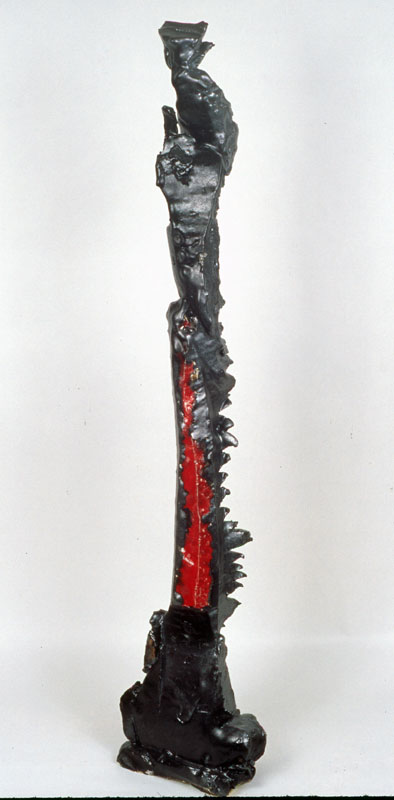
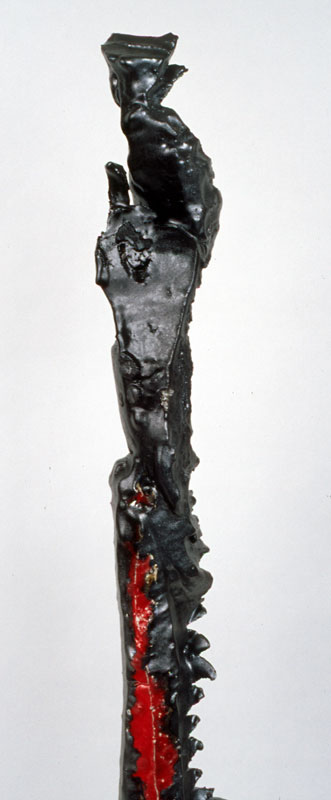
Enlightenment No. 1 Ceramic sculpture 33.5"H x 7" x 5" (2 views) Not for sale
|
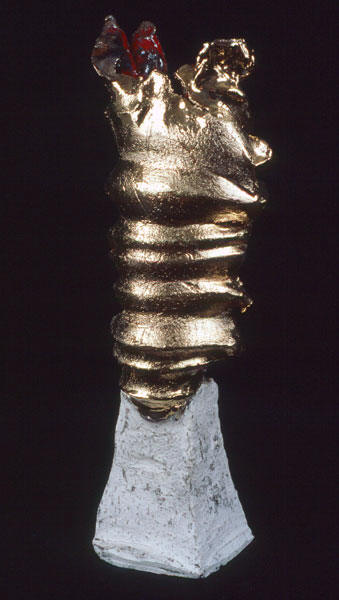
Enlightenment No. 3 Ceramic sculpture 15.5"H x 6" x 3" (2 views)
|
|
|
|
Enlightenment No. 4 Ceramic sculpture 23"H x 3.5" x 3" (2 views) Sold
|
Enlightenment No. 5 Ceramic sculpture 20"H x 3.5" x 2.5" (2 views)
|
  |
  |
|
Enlightenment No. 6 Ceramic sculpture 20"H x 3" x 3" (2 views)
|
Enlightenment No. 7 Ceramic sculpture 19"H x 5.5" x 5.5" (2 views) Sold
|
  |
  |
|
Enlightenment No. 9 Ceramic sculpture 17"H x 4" x 3" (2 views)
|
Enlightenment No. 10 Ceramic sculpture 14"H x 6" x 3" (2 views)
|
  |
  |
|
Enlightenment No. 11 Ceramic sculpture 14"H x 5.5" x 3" (2 views) Sold
|
Enlightenment No. 12 Ceramic sculpture 13"H x 3" x 3" (2 views) Sold
|
  |
  |
|
Enlightenment No. 13 Ceramic sculpture 14.5"H x 6" x 2" (2 views) Sold
|
Enlightenment No. 14 Ceramic sculpture 12.5"H x 4.5" x 3.5" (2 views) Sold
|
  |
  |
|
Enlightenment No. 15 Ceramic sculpture 12"H x 7.5" x 4.5" (2 views)
|
Enlightenment No. 16 Ceramic sculpture 14"H x 3.5" x 2.5" (2 views) Sold
|
  |
  |
|
Enlightenment No. 17 Ceramic sculpture 19"H x 3" x 3" (2 views) Sold
|
Enlightenment No. 18 Ceramic sculpture 13.5"H x 5.5" x 3" (2 views) Sold
|
  |
  |
|
Enlightenment No. 19 Ceramic sculpture 12"H x 7.5" x 3.5" (2 views) Sold
|
Enlightenment No. 20 Ceramic sculpture 20.5"H x 6" x 3" (2 views) Sold
|
  |
  |
|
Enlightenment No. 21 Ceramic sculpture 16"H x 4" x 3.5" (2 views) Sold
|
Enlightenment No. 22 Ceramic sculpture 16.5"H x 8" x 3" (2 views) Sold
|
  |
  |
|
Enlightenment No. 23 Ceramic sculpture 19"H x 5" x 4.5" (2 views) Sold
|
Enlightenment No. 24 Ceramic sculpture 18"H x 8" x 4" (2 views) Sold
|
  |
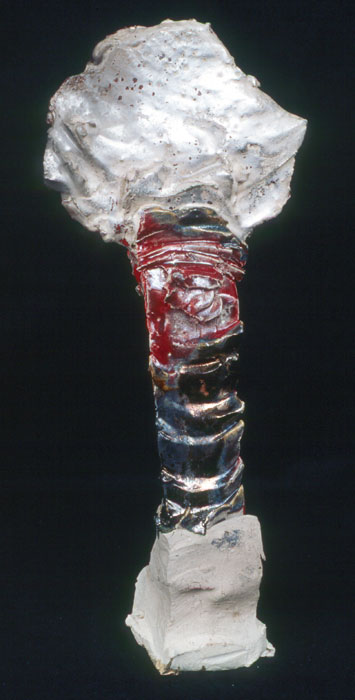 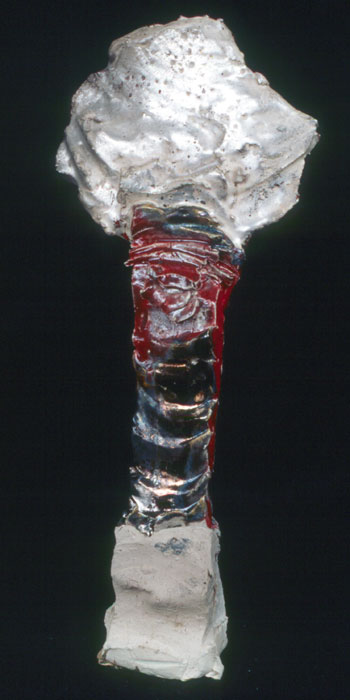 |
|
Enlightenment No. 25 Ceramic sculpture 19"H x 5.5" x 3.5" (2 views) Sold
|
Enlightenment No. 26 Ceramic sculpture 17"H x 7" x 3" (2 views)
|
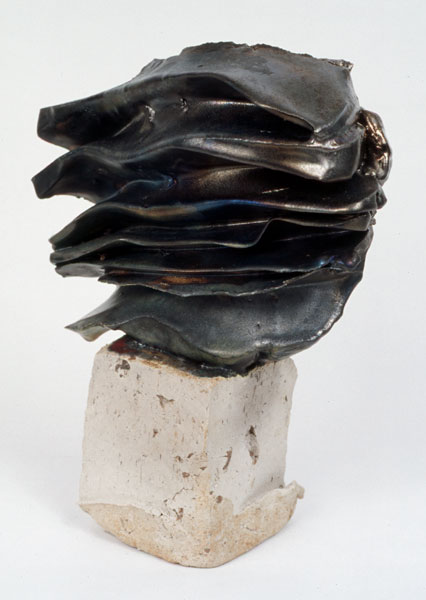 |
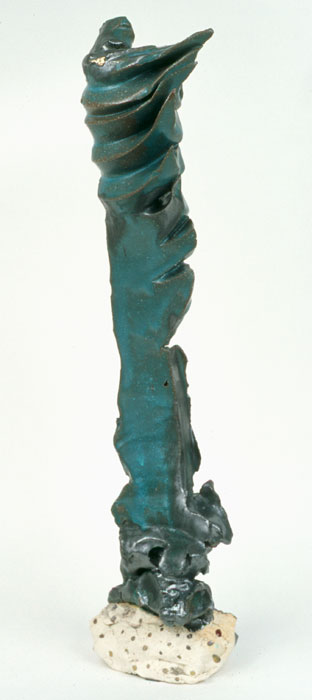 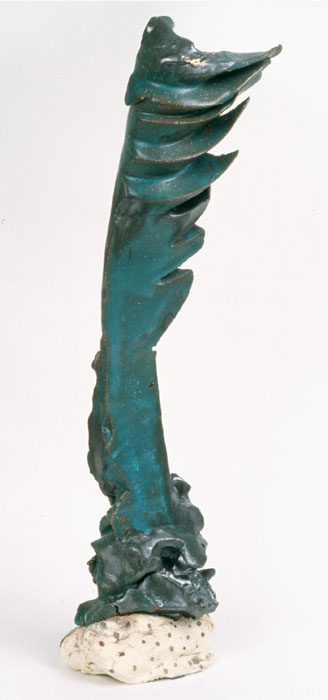 |
|
Enlightenment No. 28 Ceramic sculpture 10"H x 8" x 3.5" (2 views) Sold
|
Enlightenment No. 29 Ceramic sculpture 17"H x 4" x 2.5" (2 views) Sold
|
 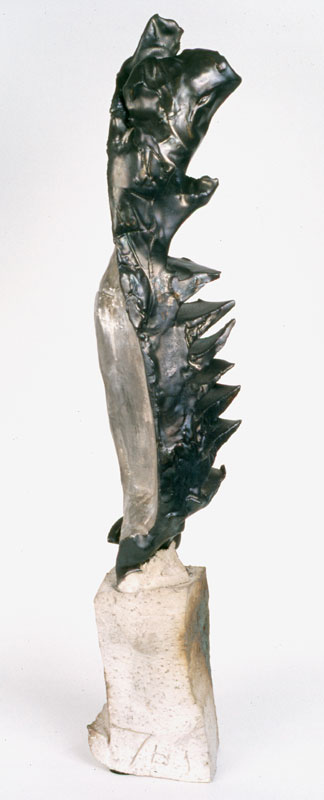 |
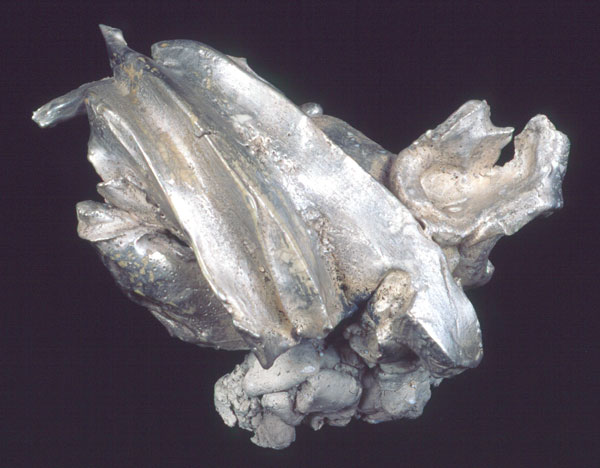 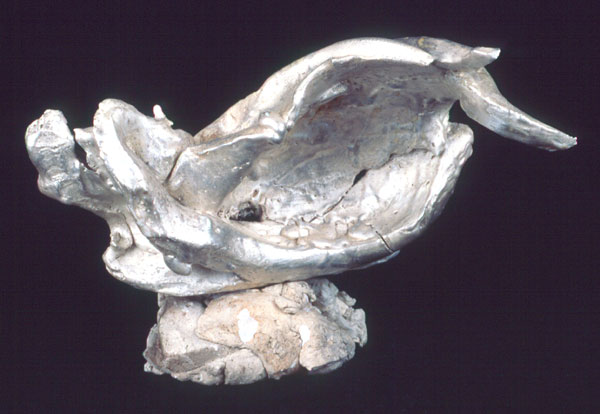 Enlightenment No. 31 Ceramic sculpture 7.5"H x 10" x 4" (2 views) Sold
|
|
Enlightenment No. 30 Ceramic sculpture 23"H x 4" x 3" (2 views) Sold
|
|
|
Chronology 1940 Born in Yokkaichi, Mie Prefecture 1958 Graduated from ceramic department, Yokkaichi Technical High School Designer in Yokkaichi ceramic factory 1964 Founding member and representative of the DAC potters group 1968 Established studio Tadashi Craft 1973 Founding member of the Nagoya Togei Club 1977 Studied Thai folk art through Japan-Thailand cultural exchange program 1980 Released Song of Summer Grass, a documentary film on Mori's ceramic art 1982 Visited sites in Thailand through Japan-Thailand cultural exchange program 1983 Studied the tea ceremony 1985 Established current studio in Sugitani, Komono-cho Solo Exhibitions 1964 Imai Gallery, Osaka 1983-89 Imai Department Store, Sapporo Gallery Cryness, Sendai Kawamoto-Ichibankan, Morioka Ikebukuro Seibu, Tokyo Akasaka Inui Gallery, Tokyo Garando Gallery, Nagoya Maruzen Gallery, Nagoya Daimaru, Osaka & Kochi Horodo, Osaka Marukoshi Department Store, Kanazawa Tosenbo, Kyoto Gallery Maronie, Kyoto 1990 Shibuya Seibu, Tokyo Akasaka Inui Gallery 1991 Narita Hotel, Chiba 1992 Yama Gallery, Yokkaichi Maruei, Nagoya 1993 Akasaka Inui Gallery Mitsukoshi Nihonbashi Main Store, Tokyo Maruei, Toyohashi 1994 Hanamido, Kawagoe Isetan, Tokyo 1995 Hanamido, Kawagoe Maruei, Nagoya 1996 Gallery Tosoan, Nagoya Ashikaga Inui Gallery, Ashikaga Horodo, Nagoya International Hotel 1997 Rokujuen, Tsushima 1998 Maruei, Toyohashi Hashimoto Bijutsu, Nagoya Ashikaga Inui Gallery, Ashikaga 1999 Maruei, Nagoya Ashikaga Inui Gallery, Ashikaga 2000 Maruei, Toyohashi Hashimoto Bijutsu, Nagoya Ashikaga Inui Gallery, Ashikaga 2001 Maruei, Toyohashi Akasaka Inui Gallery, Tokyo 2002 Hashimoto Bijutsu, Nagoya Akasaka Inui Gallery, Tokyo 2003 Maruei, Nagoya Hashimoto Bijutsu, Nagoya Akasaka Inui Gallery, Tokyo 2004 Hashimoto Bijutsu, Nagoya Touching Stone Gallery, Santa Fe, New Mexico, USA 2005 Touching Stone Gallery, Santa Fe, New Mexico, USA Major Group Exhibitions 1976 Faenza International Ceramic Exhibition, Italy 1990 Senshukai, Hotel Okura, Tokyo Meme-Pool Exhibition, Tokyo Ohara Center Symposium for Amusement, Saitoan, Hagi 1993 Toh Kaigi 6, Mie Prefectural Museum of Art, Tsu 1994 Toh Kaigi 6, Mie Prefectural Museum of Art, Shizuoka Prefectural Museum of Art Awards / Selected Publications 1962 Governor of Mie Prize (twice), crafts department of Mie Arts Exhibition Chairman of Parliament Prize, crafts department of Mie Arts Exhibition 1963 Governor of Aichi Prize, First Asahi Ceramic Arts Exhibition Second Prize, Japan Ceramic Design Competition 1964-70 Silver Prize, Japan Fiber Design Competition Copper Prize (twice), Japan Fiber Design Competition 1972 Encouragement Prize, Asahi Ceramic Arts Exhibition 1973 Special Prize (Kawasaki Prize), Asahi Ceramic Arts Exhibition 1975 Special Prize, Chunichi International Ceramic Arts Exhibition 1976 Governor of Aichi Prize, Chunichi International Ceramic Arts Exhibition 1979 Encouragement Prize, Asahi Ceramic Arts Exhibition 1997 Toward a 21st Century Renaissance in Ceramics, Dohosha Ltd. Publisher 2007 "Enku". Ceramics Art & Perception vol. 66, p.30-32. Public Collections Okushino Sekitei, Ise All Nipon Airline Hotel, Osaka Taikoen, Osaka Hokke Building, Nobeoka Chinzanso, Tokyo Winghill House, Nikko Narita Hotel, Chiba Nagoya International Hotel Rokujuen, Tsushima |
|
|
|
 |
Home |
|
Current show |
|
Photography/Calligraphy |
|
Show archives |
|
Gallery tour |
|
|
Japanese pottery |
|
Tea bowls |
|
Sumi-e |
|
Wabi sabi |
Photography and web design by Touching Stone Images. All texts and images protected by US and international copyright laws.
Copyright © Touching Stone Gallery. All Rights Reserved.