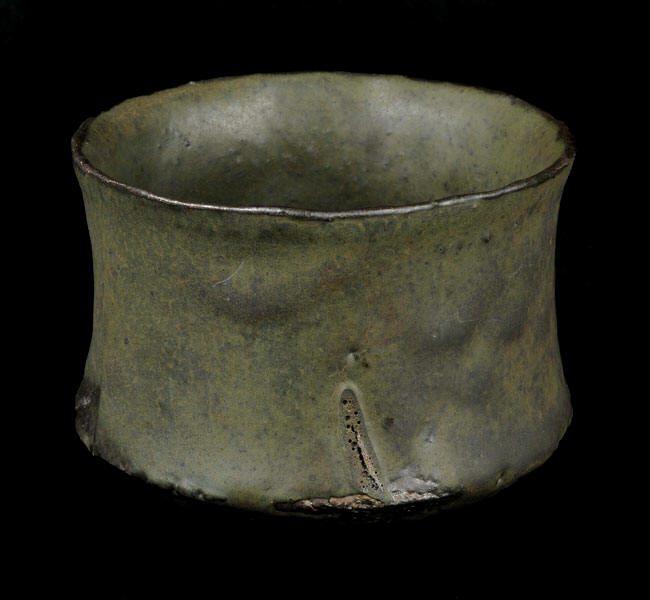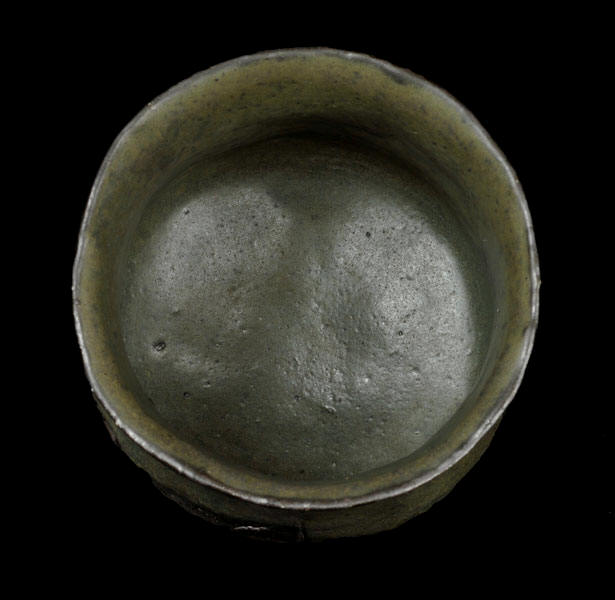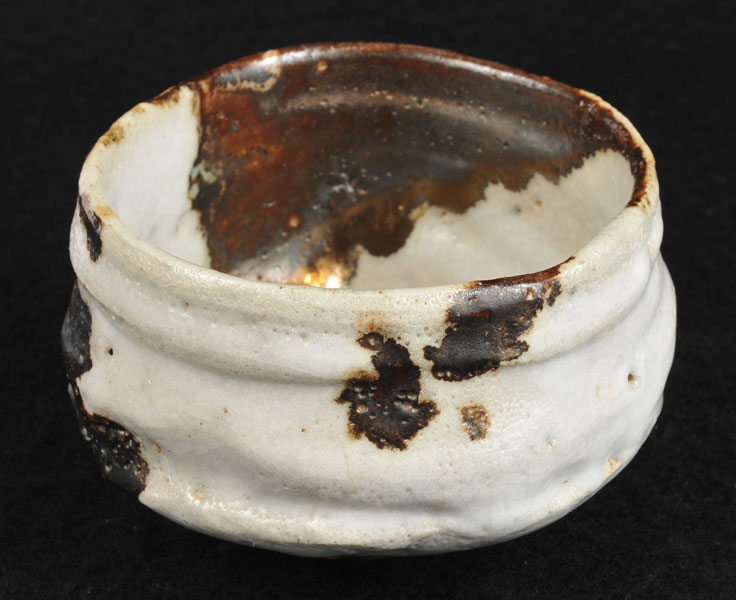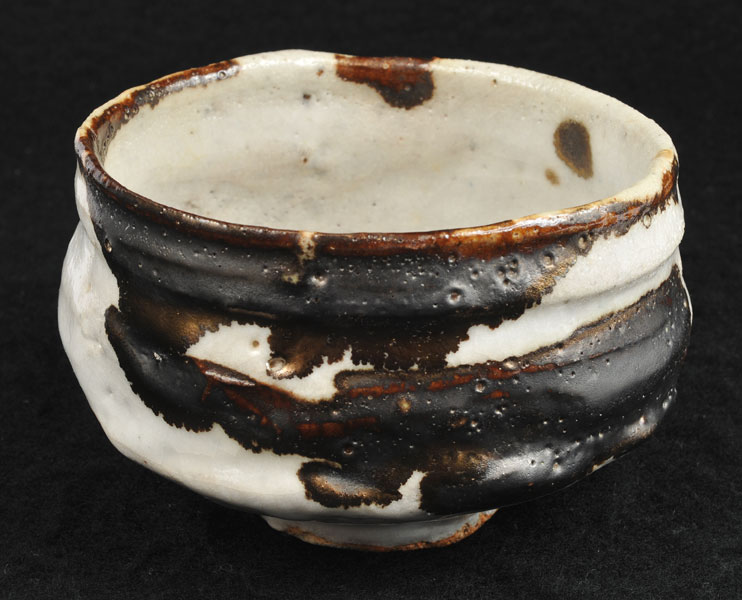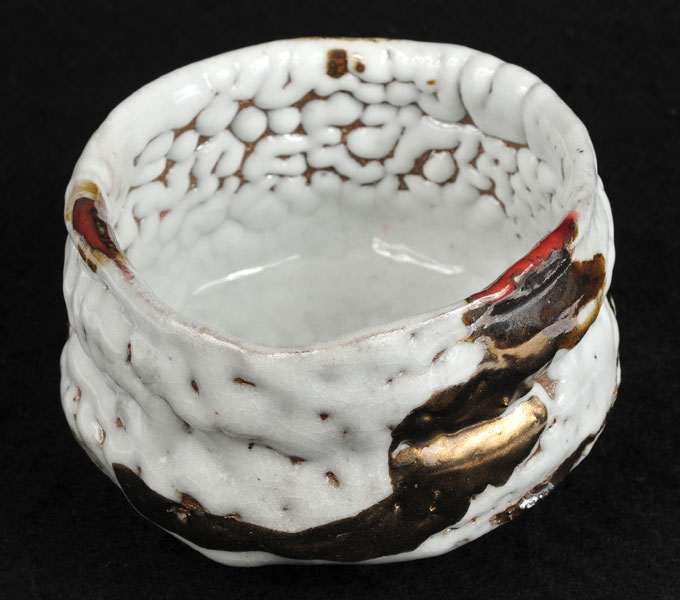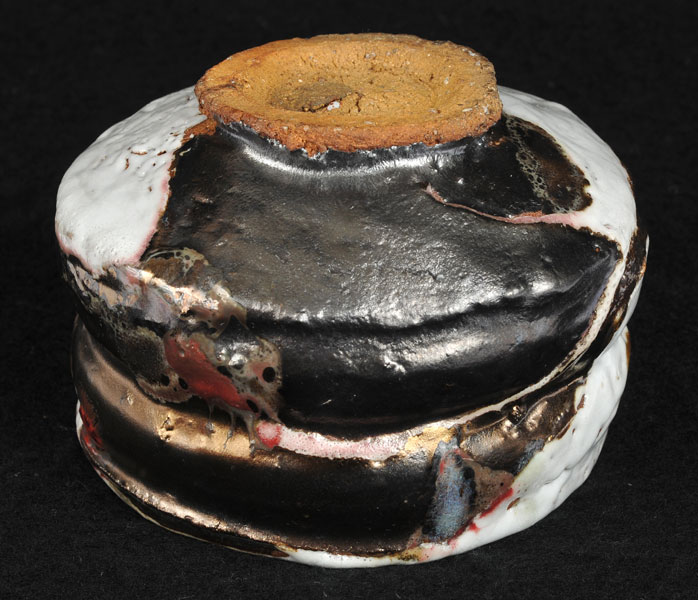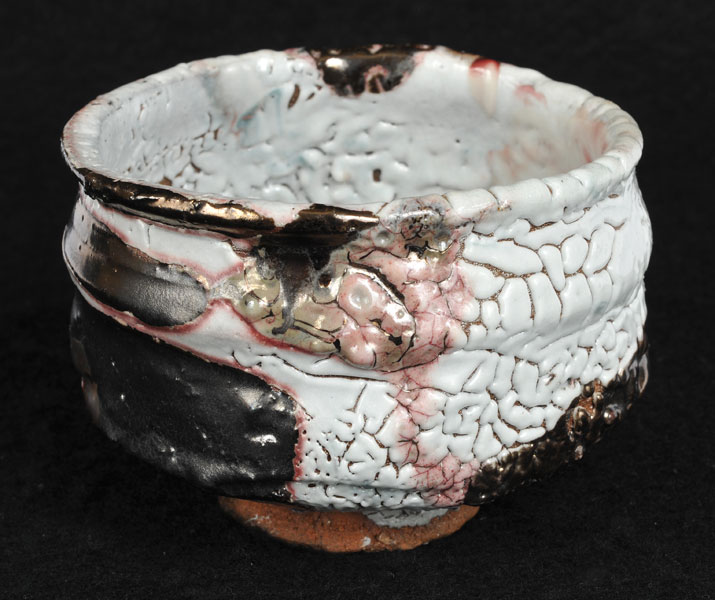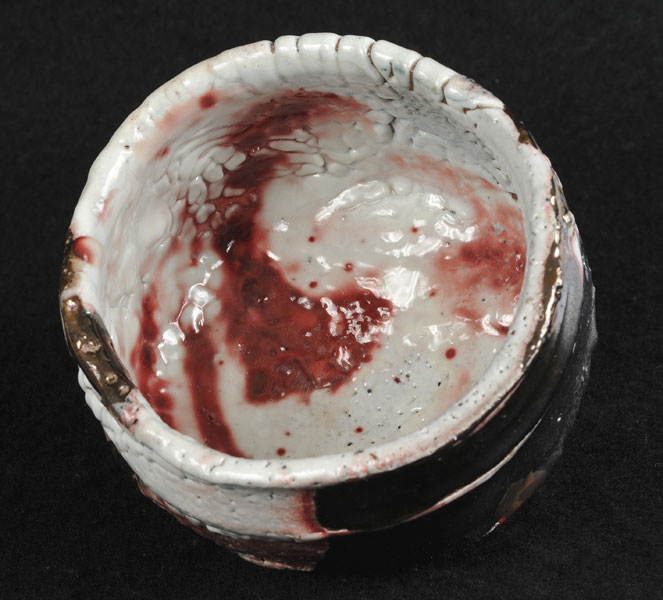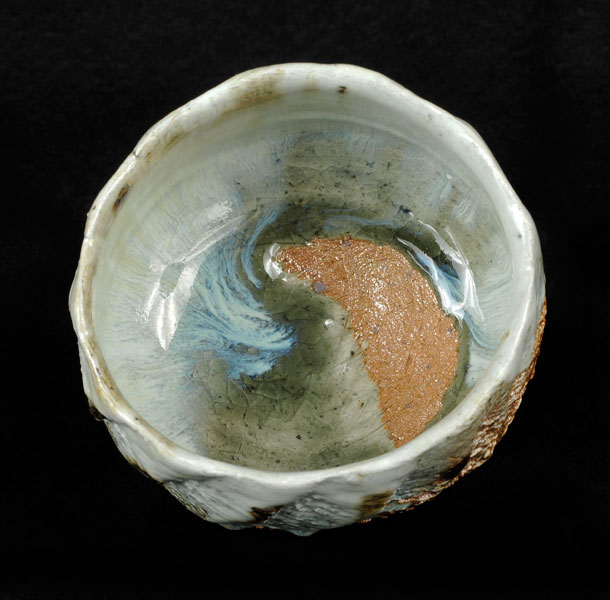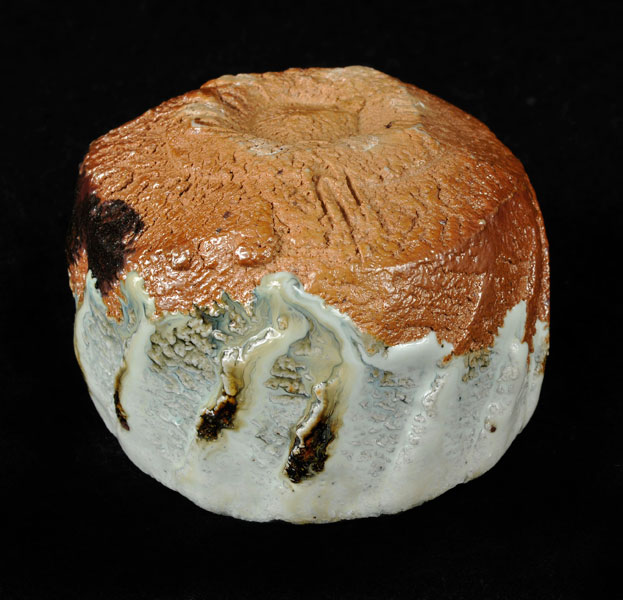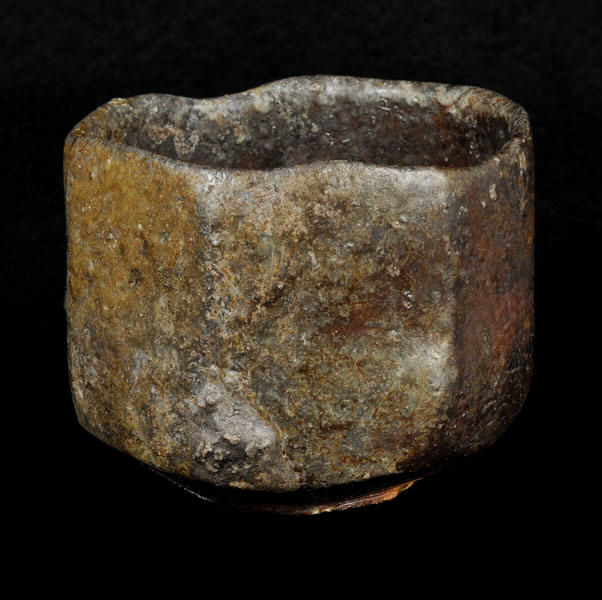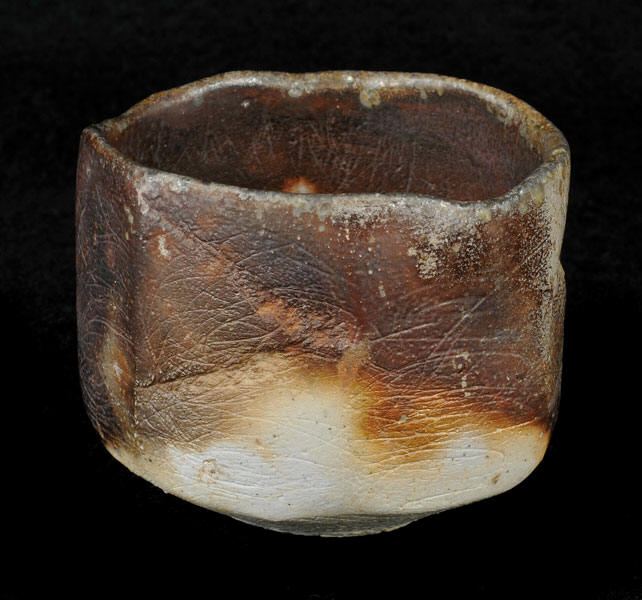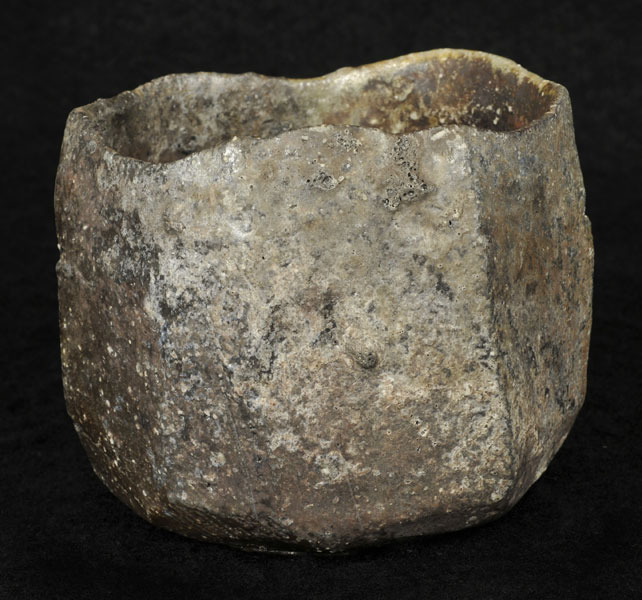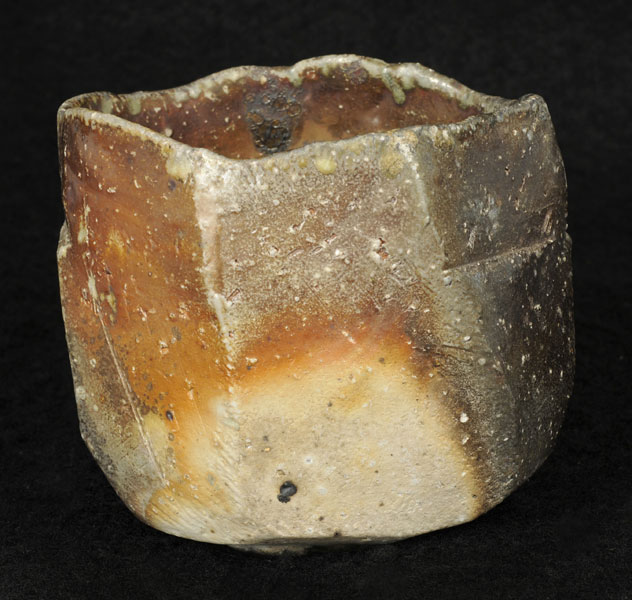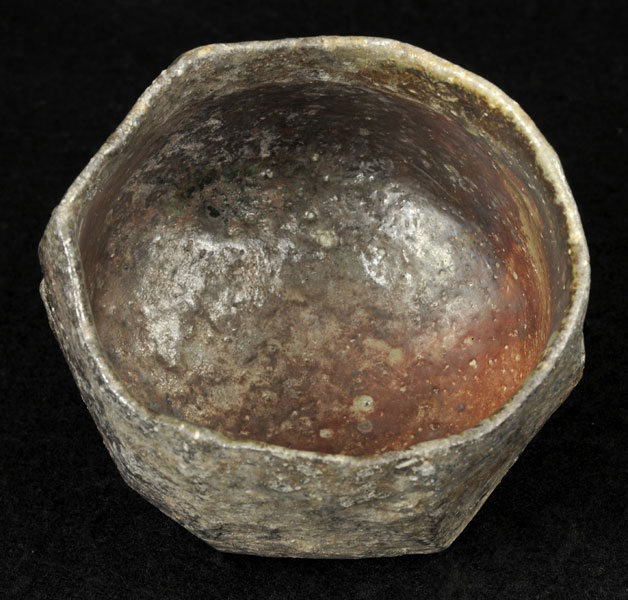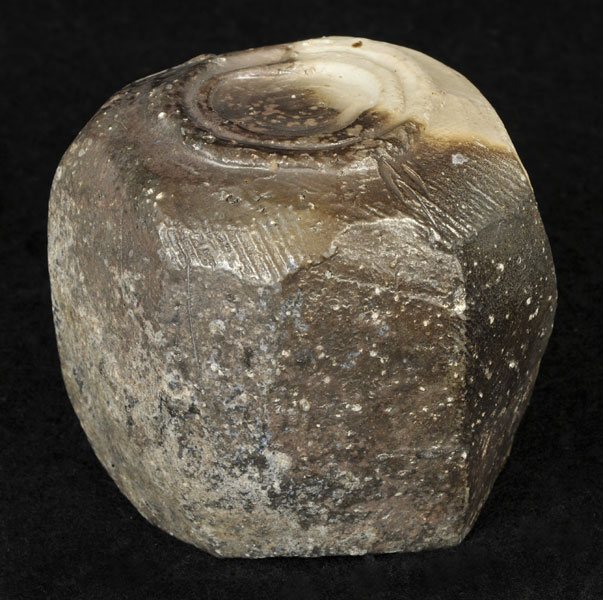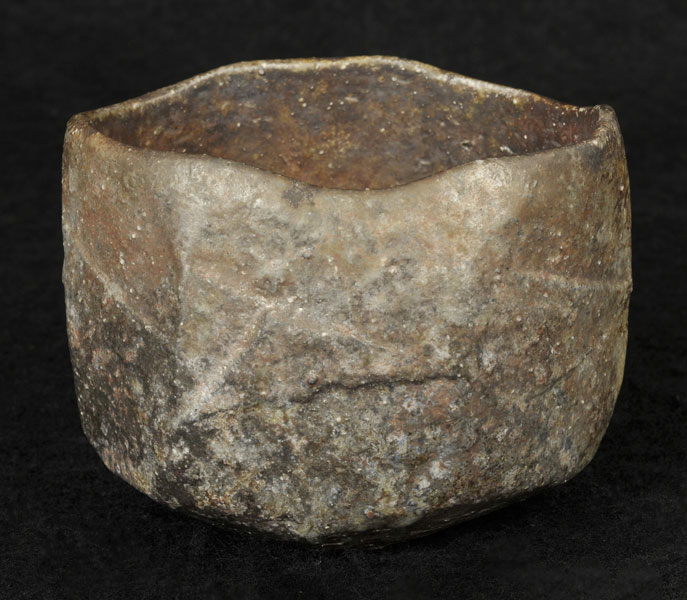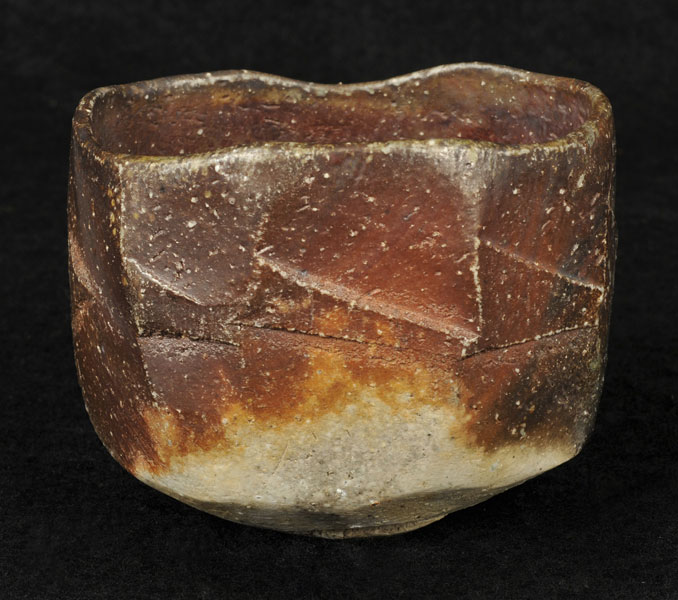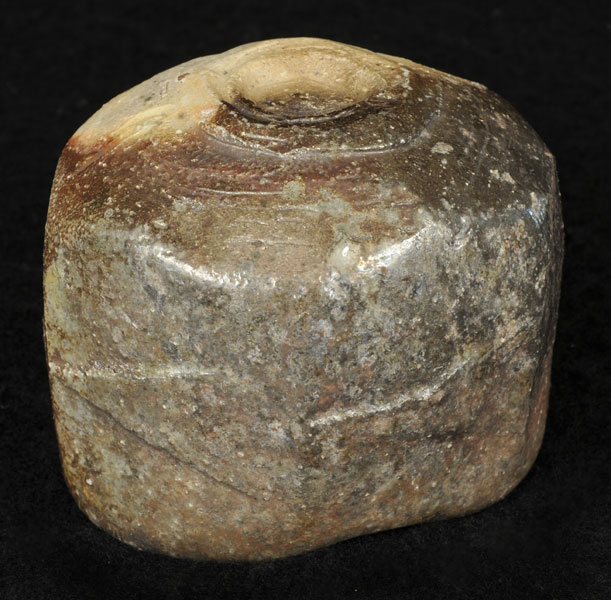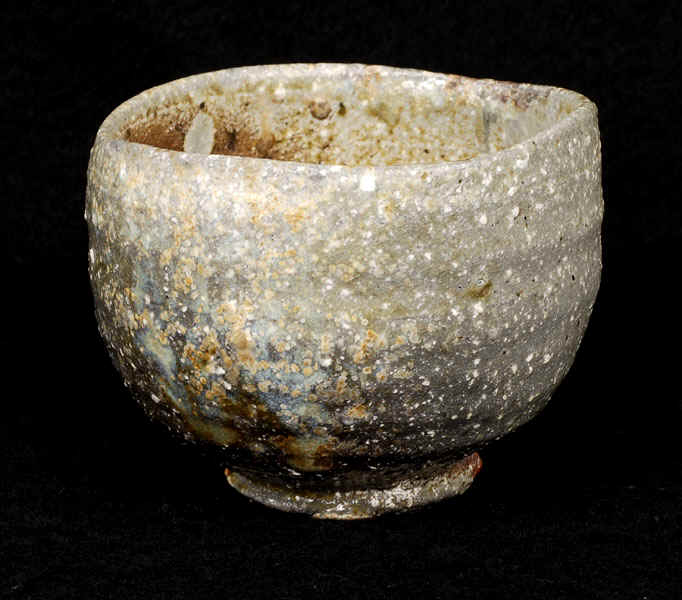
The Japanese tea ceremony epitomizes
the tranquil beauty of the often misunderstood aesthetic
sensibility calledwabi sabi 侘 寂. The tea bowl used for this
ceremony embodies unpretentious beauty, purity,
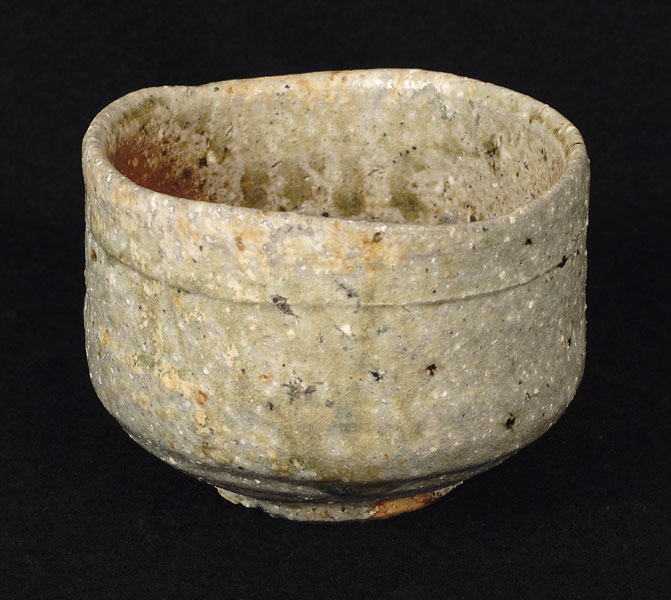
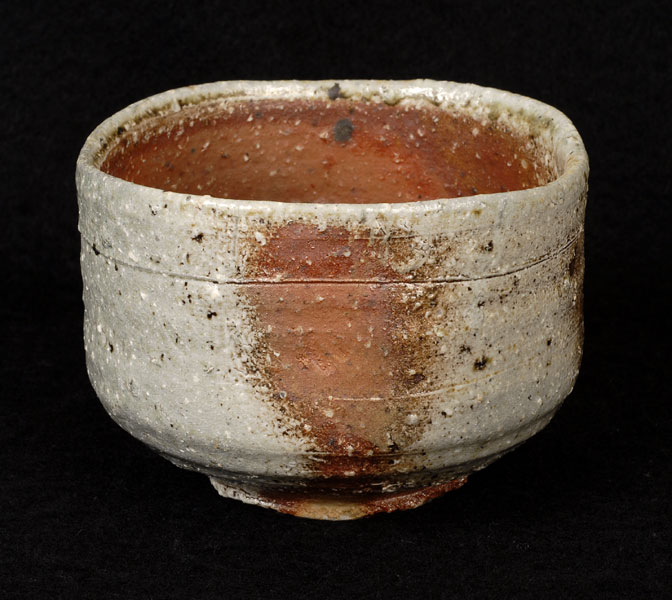
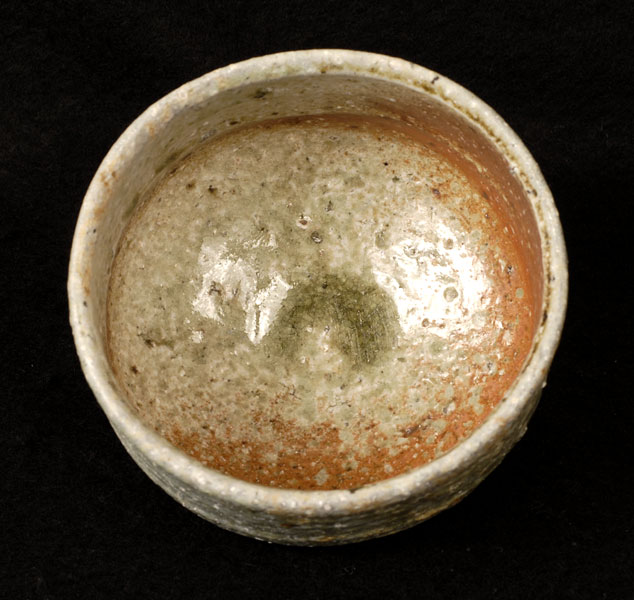
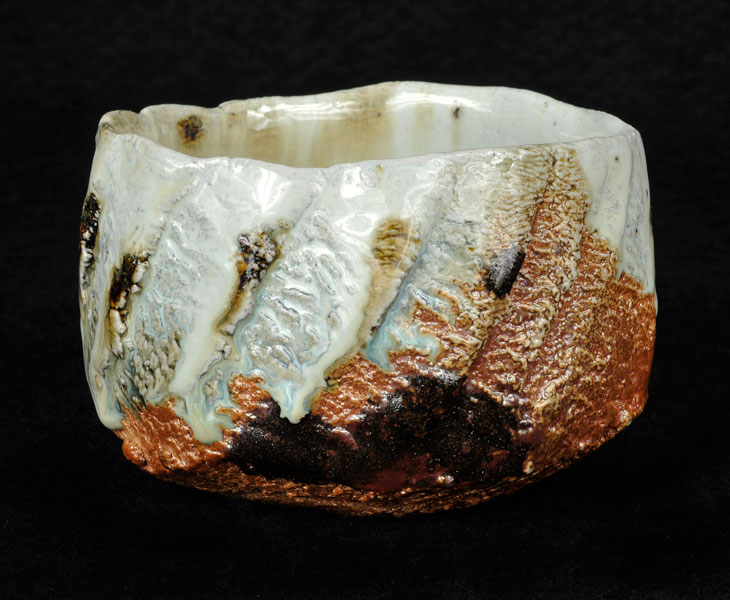
dignity, and humility. Touching Stone Gallery is honored to host an
exhibition of some of the best works by four top Japanese tea bowl masters: Shukai
Kagami from Mino, Yuho Kaneshige from Bizen, Tadashi Nishihata from
Tanba, and Kazu Yamada from Echizen. This is the first time these master
ceramists have ever shown their works together in the same
exhibition.
The opening of the Japanese Tea Bowl
Masterwork Exhibition coincides with the 50th
anniversary of the New Mexico Museum of International Folk
Art (MOIFA) in Santa Fe. Prior to the its inauguration in 1953, the
museum hosted a series of lectures by the late Shoji Hamada, a ceramist
and Living National Treasure
of Japan, and the late British ceramist, Bernard Leach. To pay tribute to this historic
connection, Touching Stone
Gallery collaborates with MOIFA to host a 3-day celebration from June 13
to 15. The program includes the opening of the Japanese Tea Bowl
Masterwork Exhibition at Touching Stone Gallery on June 13, followed by
a tea ceremony on June 14 and a lecture on June 15. The tea ceremony and
lecture will be presented at MOIFA by Dr. Shozo Sato, Professor Emeritus of University of
Illinois and educator of Japanese art and culture
.
Call
(505)-988-8072
or click Inquiry/order for availability.
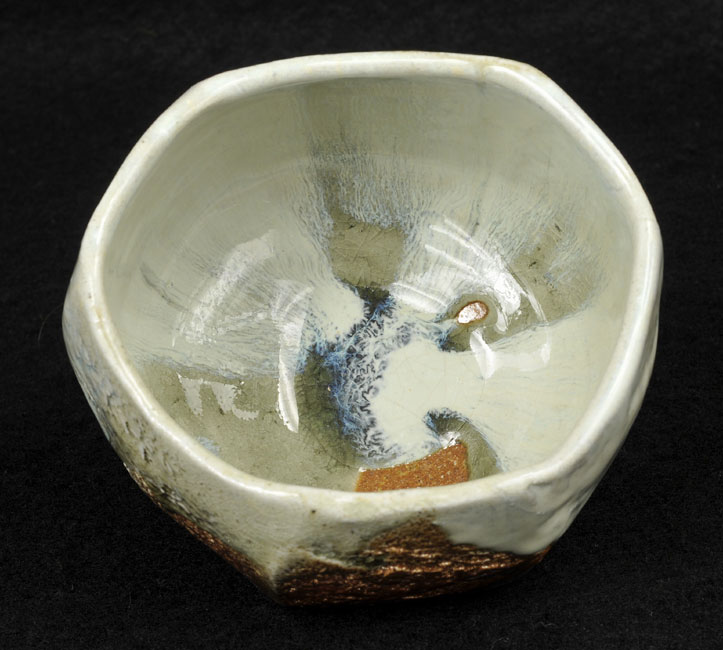
Shukai Kagami 各務周海
If it takes a quiet mind to create
good tea bowls, Shukai Kagami (b. 1941) certainly has the proper
training. Born in Mino as son of a Buddhist priest, Kagami received
formal education in a Buddhist college in Tokyo. However, his intent was
not to become a Buddhist priest, but to broaden his knowledge. His real
interest was in making pottery. After graduation, Kagami sought training
in a ceramic school in Gifu. Two years later, he took an apprenticeship
with master potter Kobei Kato for three-and-a-half years. In 1969, he
built his own kiln and began his independent career.
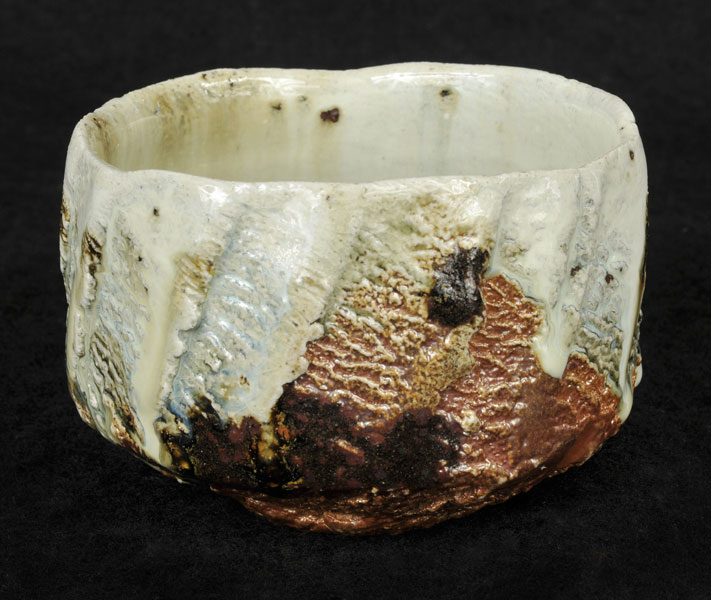
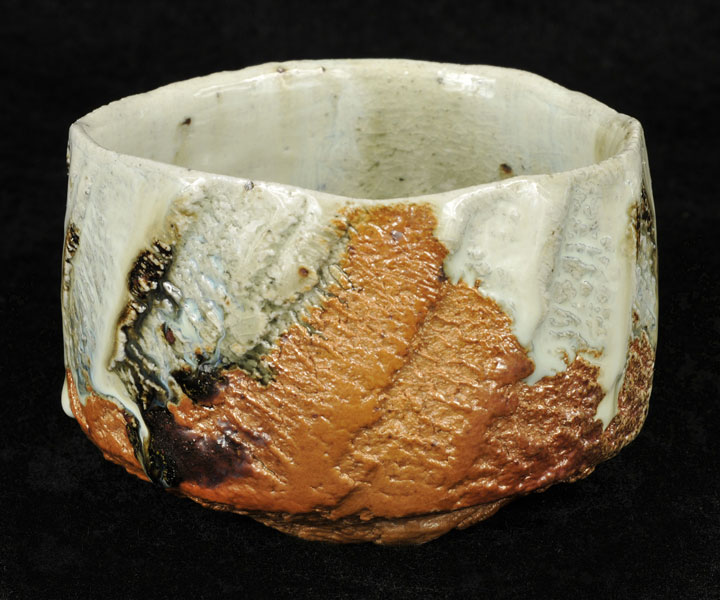
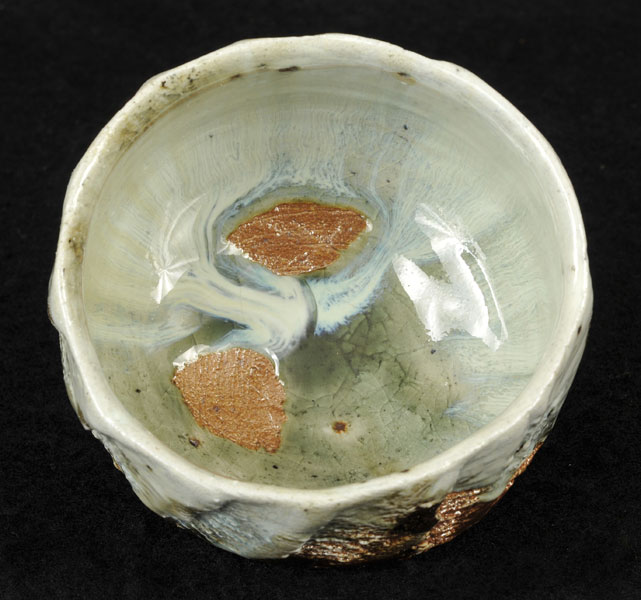
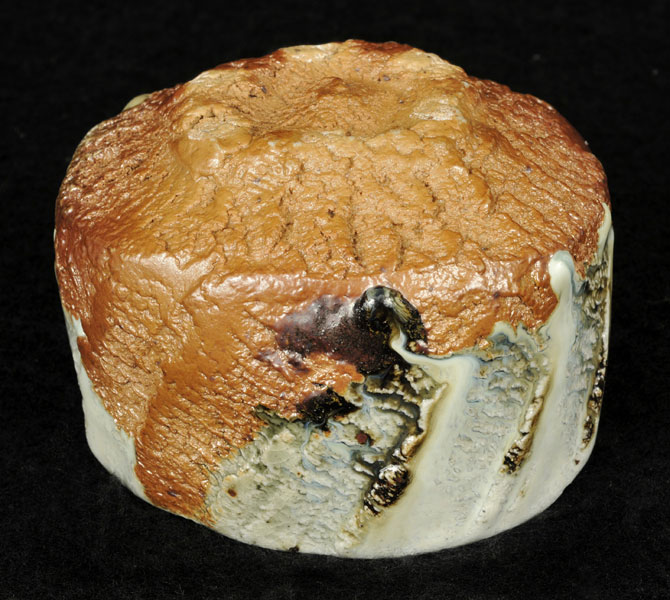
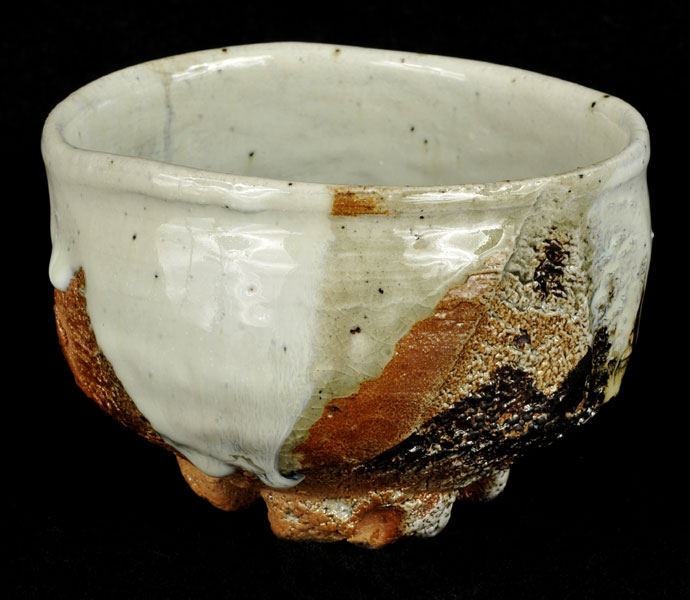
Kagami designed his anagama kiln
specifically for firing Shino and Yellow Seto (Ki-Seto) ceramics. Among
the four well known ancient glazes (Shino, Oribe, Yellow Seto, Black
Seto), Yellow Seto is the hardest to master.
There are several salient features to
look for in a good Yellow Seto bowl. ‘Abura-age-de’ (deep-fried
tofu) refers to a thickly applied matte yellow glaze with a crinkled or
semi-rough texture. This style was revered by tea masters and collectors
in the Momoyama era. ‘Tanban’ is the term for green copper splashes
on the yellow surface. These splashes should appear natural. ‘Koge’
refers to brown scorch marks that lend distinct characters to individual
bowls.
Many potters, including renowned
master Tokuro Kato, have tried to reproduce the ‘Abura-age-de’
surface. However, no one has been able to reproduce this finish
consistently until Shukai Kagami re-established the technique after
experimentation for more than twenty years. According to Kagami, the key
to a good Yellow Seto finish is in the firing, and firing with proper
firewood is paramount. Ash directly affects the beauty of Yellow Seto.
Currently, Kagami is probably the best ceramist who can produce the ‘Abura-age-de’
style.
In addition to being a ceramist,
Kagami is also a historian and an archaeologist. He has been excavating
old kiln sites and collecting data on pottery shards and clay. His
research earned him recognition and an award in 1979.
Shukai Kagami. Photo courtesy of Abe
Publishing LTD., Tokyo, Japan
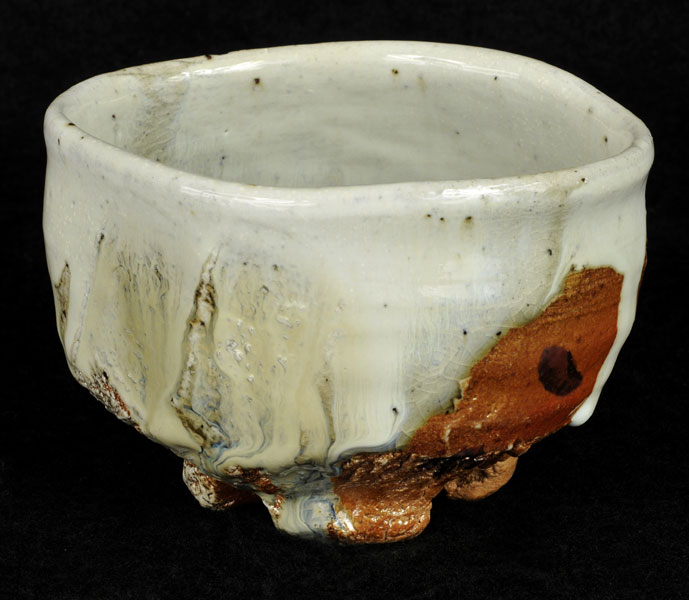
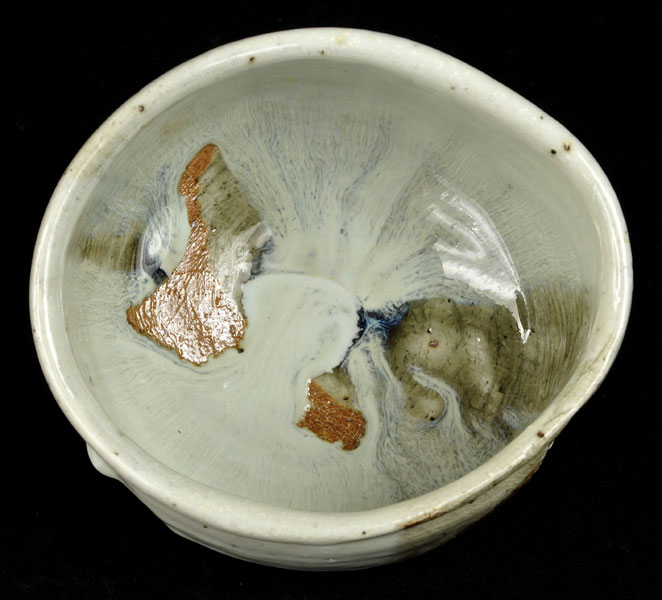
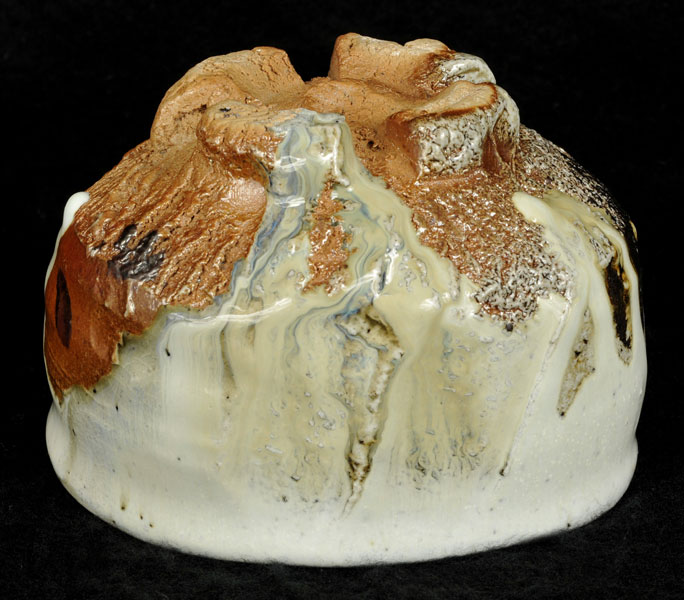
Shukai Kagami
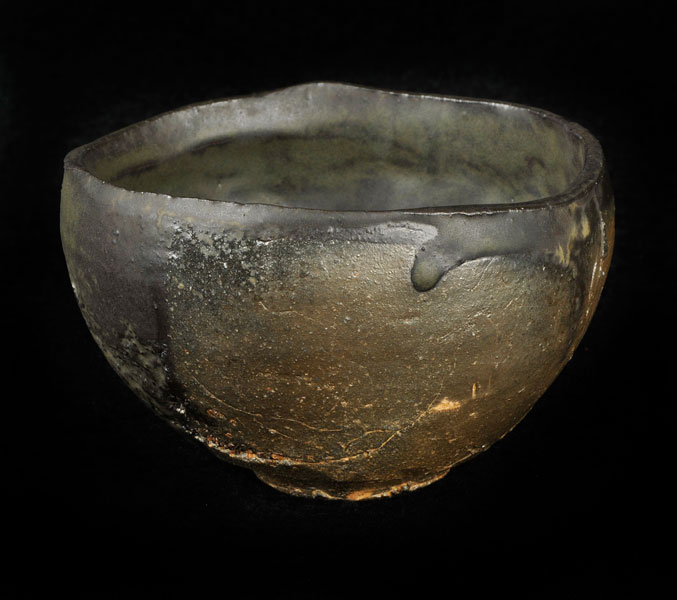
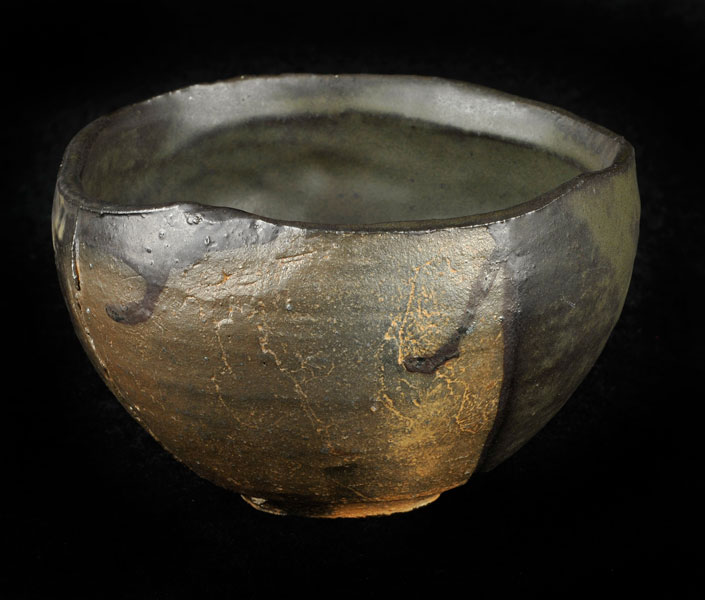
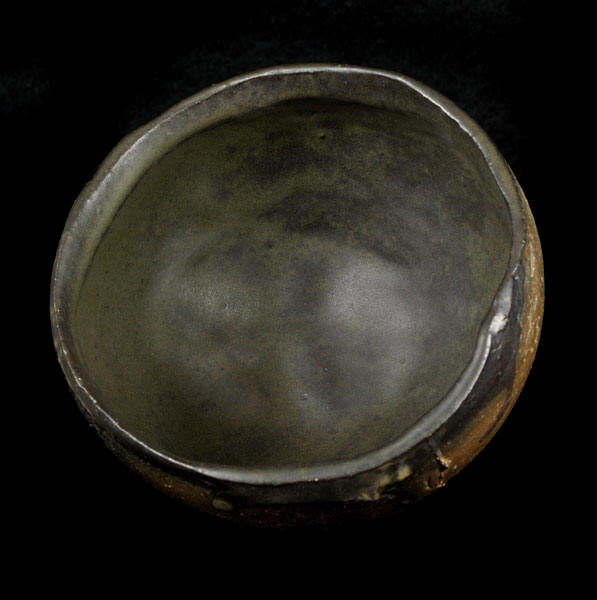
Ki-Seto Tea Bowl #1 (3 views)
3.5"H
x 4.75" x 4.5" Sold
Shukai Kagami
Ki-Seto Tea Bowl #2 (3 views)
3.25"H
x 5" x 4.5" Sold
Shukai Kagami
Ki-Seto Tea Caddy (2 views)
4"H
x 2.25"D
Yuho Kaneshige 金重有邦
Yuho Kaneshige was born in 1950 in
Bizen into a family steeped in pottery tradition. His father, Sozan
Kaneshige 金重 素山 (1909 - 1995), was a well-known master of "Cha-to"
(tea ceremony ware). Yuho’s uncle, Toyo Kaneshige (1896 - 1967), was
nominated as a living national treasure in 1956. Yuho Kaneshige studied
sculpture in the Musashino Art College in Tokyo, then started making
pottery with his father in Bizen. After his father’s death, he
continued his family legacy creating pottery in his father’s studio.
The tea bowl is Yuho Kaneshige’s
passion. His work is strongly influenced by his unique philosophy.
"Drinking tea is an ordinary act in everyday life. A good tea bowl
allows tea to flow into your mouth naturally. Drinking from such a bowl
makes you feel pleasant and natural, as if you are drinking water from a
pond."
Yuho Kaneshige believes that while the
outer shape of the vessel is important, the inner space is even more so.
When he throws on a wheel, he focuses on how to keep a balance between
outer and inner movements. "Like a living creature, pottery has an
outside body and an inner spirit. If I pay too much attention to the
outer shape, no spirit will exist inside. Body and spirit, these two are
complementary."
Kaneshige suggested that a way to
achieve such a balance is not to overload his work with his own
individuality, but to let clay show its personality. By leaving out
unnecessary techniques and grasping the essential, he brings out the
essence of his work.
As a result of his philosophy, Yuho
Kaneshige’s tea bowls are completely devoid of pretentiousness. Each
bowl exudes a distinct aura of quiet confidence and noble beauty.
Kaneshige considers the tea bowl the most sensual of pottery.
"Touching the rim of a tea bowl is like kissing. If you feel good,
that is a good tea bowl!"
Nestled in a beautiful valley along
the Shitodani River that runs through towering mountains northwest of
Kyoto is the picturesque village Tachikui, the historic center of Tanba
pottery. The rich ferrous soil in this area has supported generations of
farmers and artisans since the Kamakura period (1180 - 1230). This
serene setting is home of some of the world’s most beautiful ceramics.
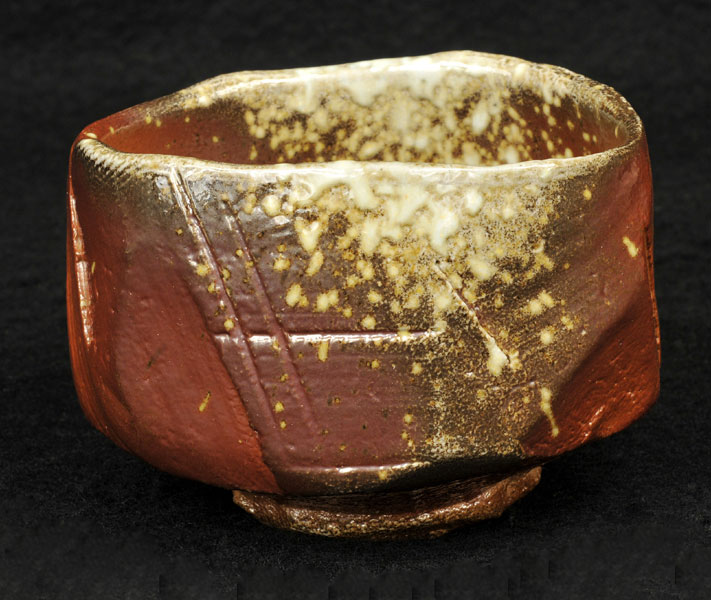
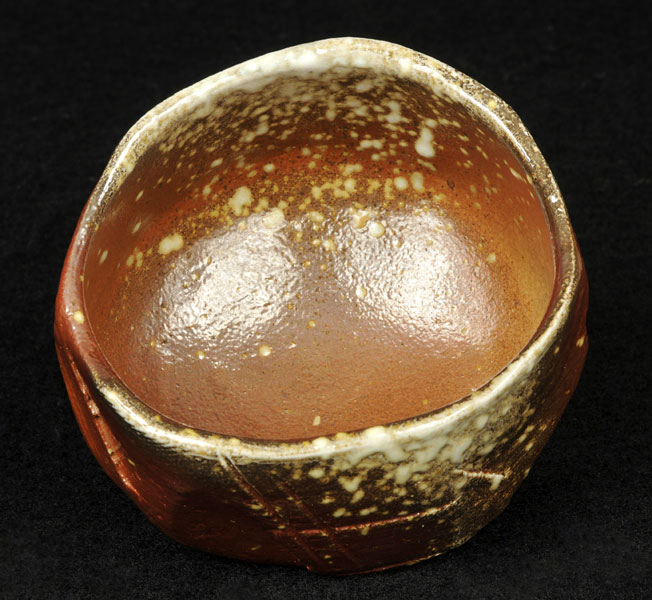
Tadashi Nishihata (b. 1948) has lived
in this village for his entire life. He overcame considerable challenges
to establish himself a Cha-to (tea ceremony ware) artist, since
historically Tanba is not a center of Cha-to. Perhaps for this reason,
Nishihata has more freedom to develop his style. Consequently, his tea
bowls are very distinctive.
Nishihata draws inspirations from
nature. Every winter, west wind blowing from the Sea of Japan brings
snow to the mountains around Tanba, transforming the valley into a
wonderland of frosted rocks and forests. When spring comes, black soil
emerges from under the snow and the valley bursts into a rainbow of
colors. Nishihata’s wood-fired tea bowls capture the changing
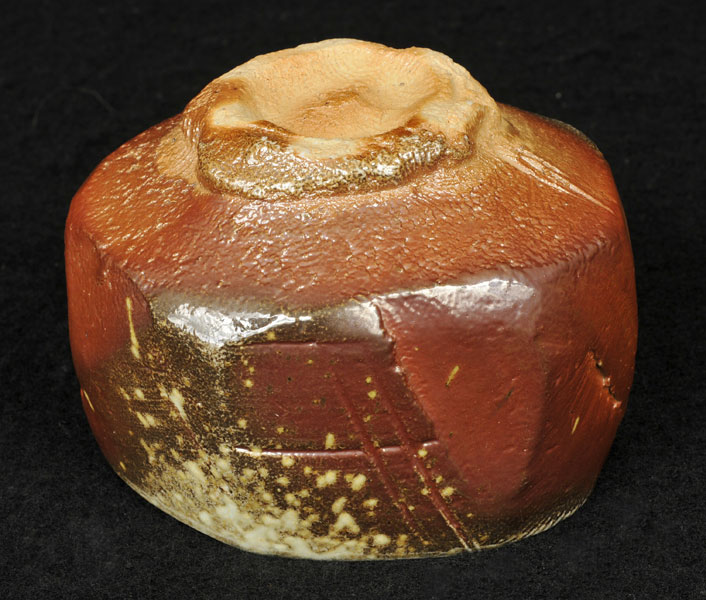
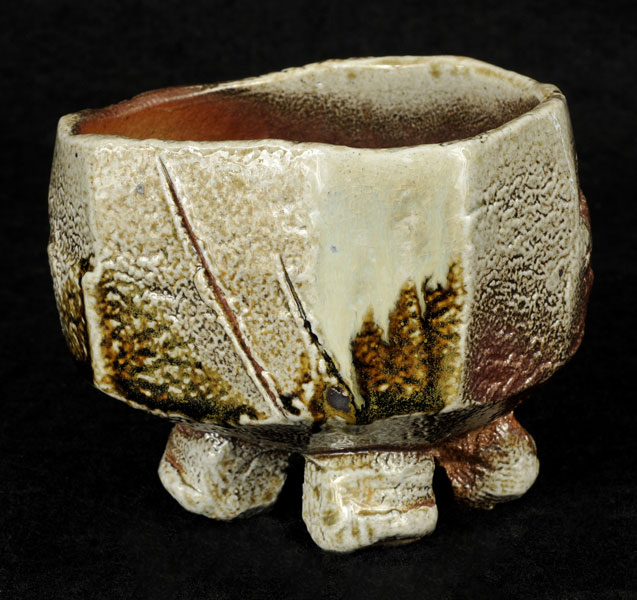
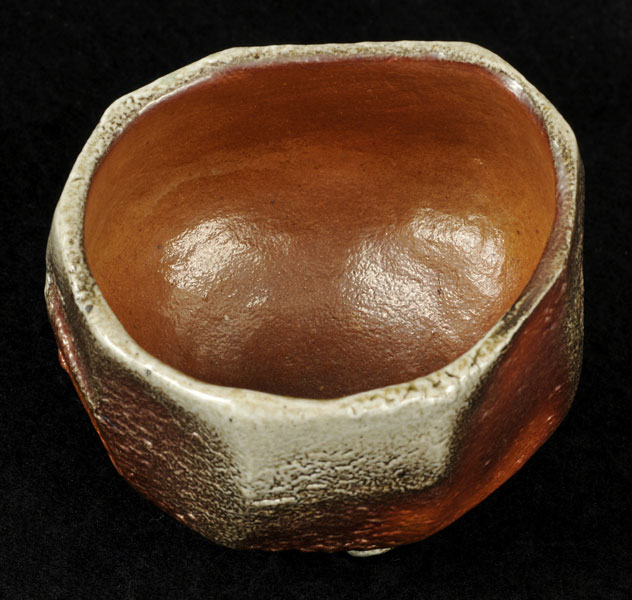
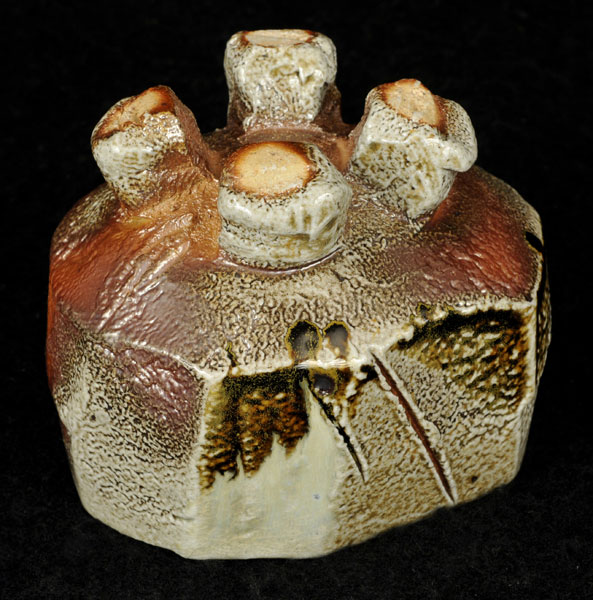
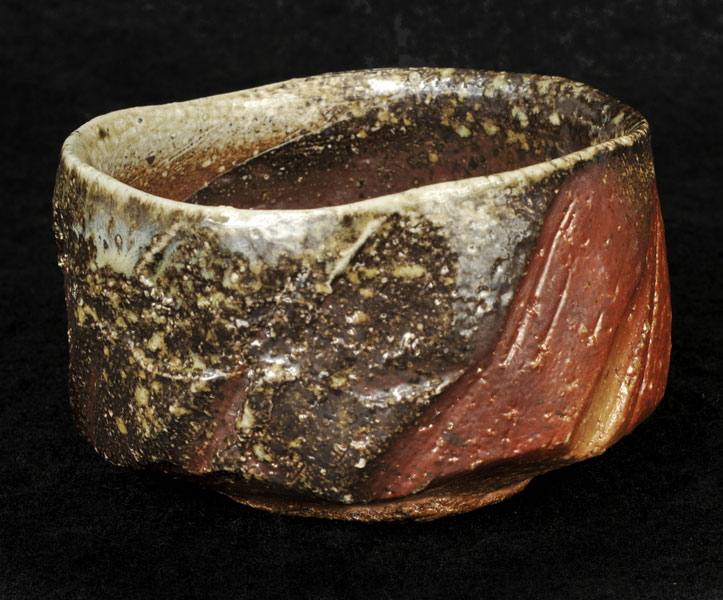
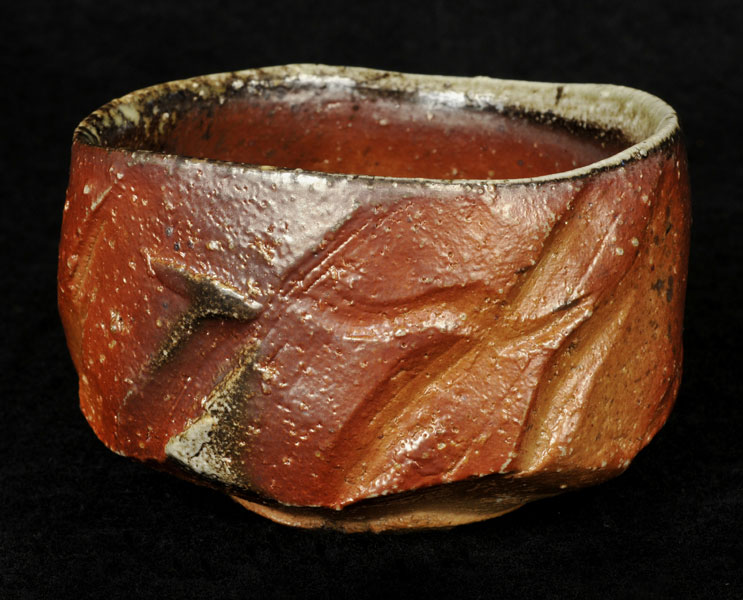
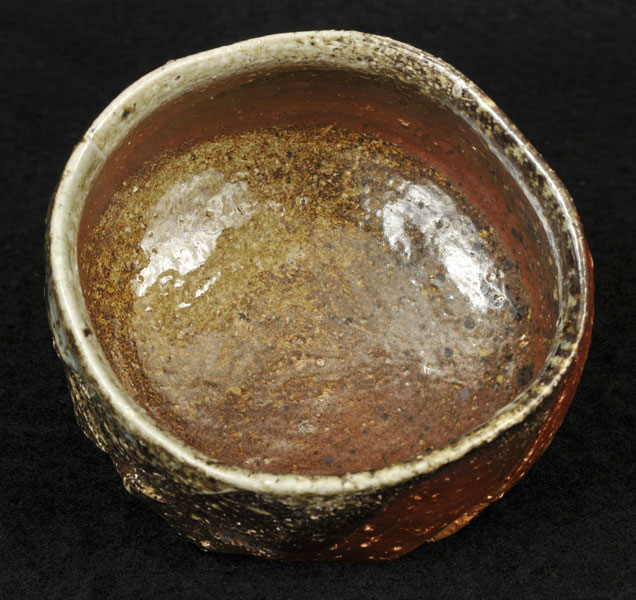
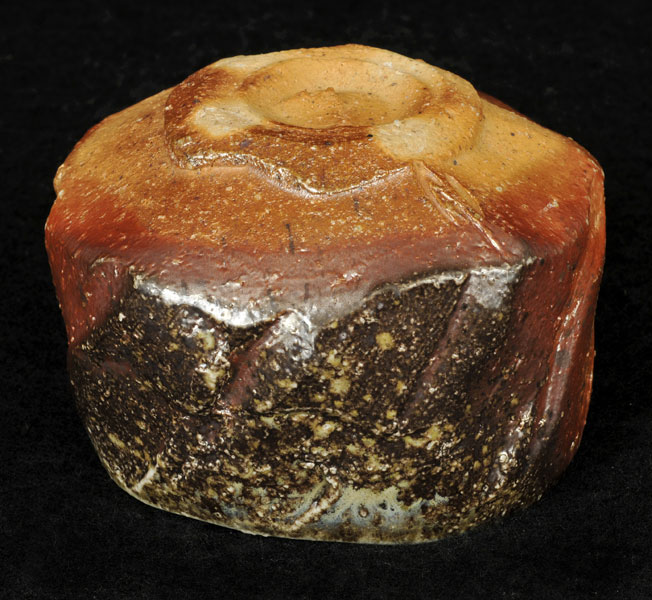
landscapes. He uses different forms like ‘mentori’ (faceted), ‘ryo-sen’
(ridgeline) and ash glaze to transform his pieces into spectacular work
of art that reflects the changing landscapes around his home.
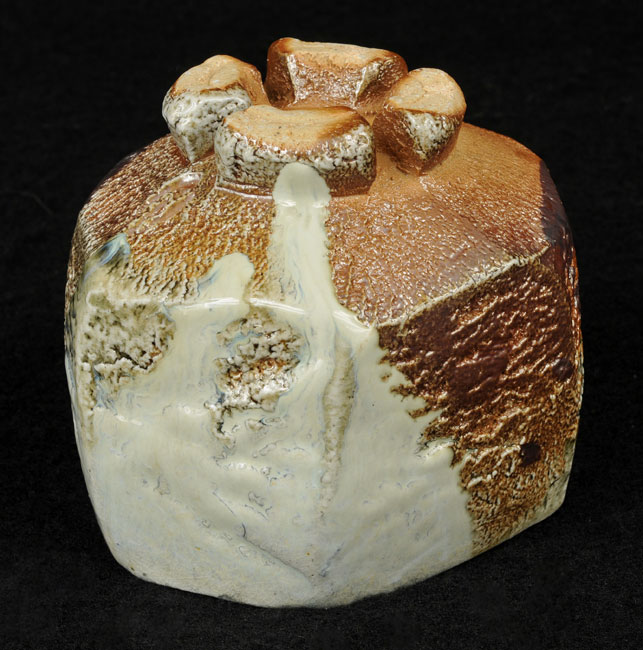
In addition to his tea bowls, Nishihata is widely recognized for his beautiful tea caddies. The
current show includes examples of some of his best work.
Tadashi
Nishihata
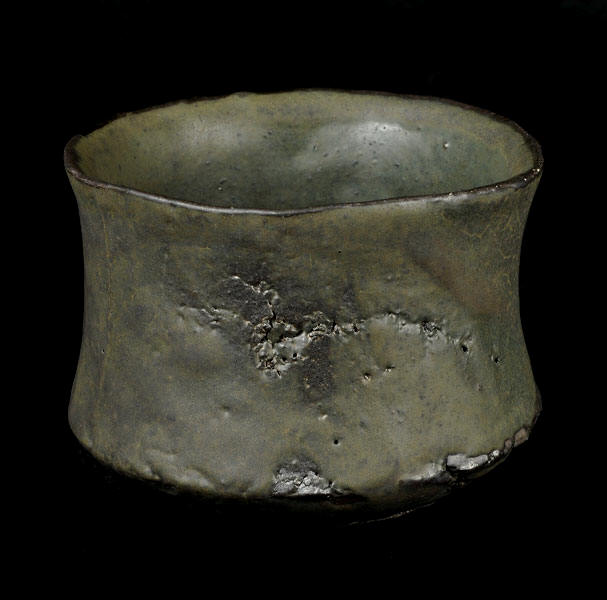
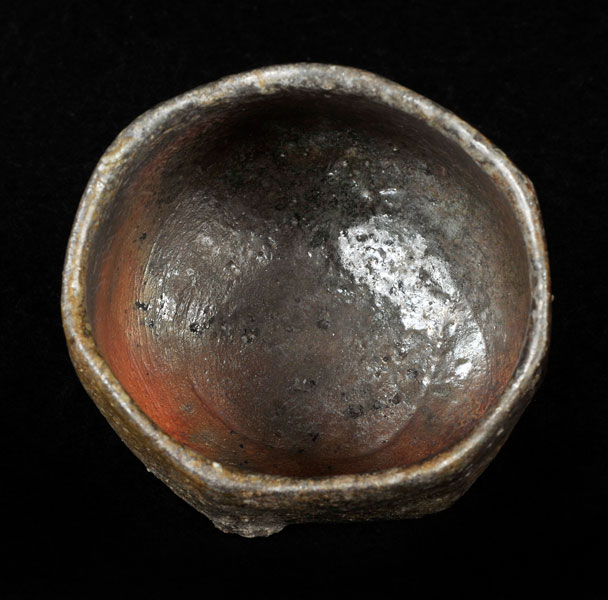
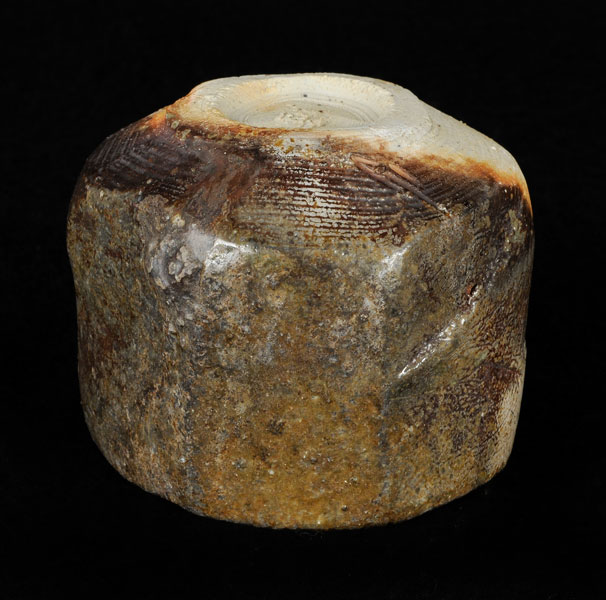
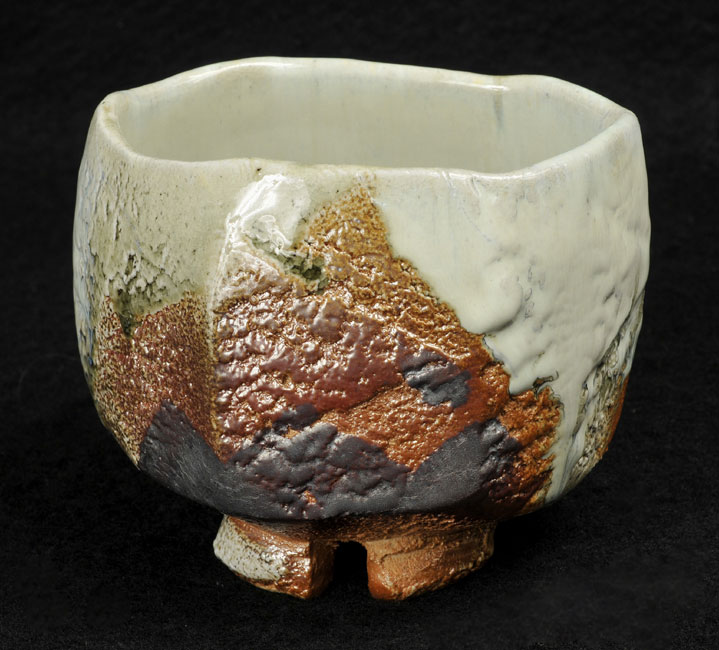
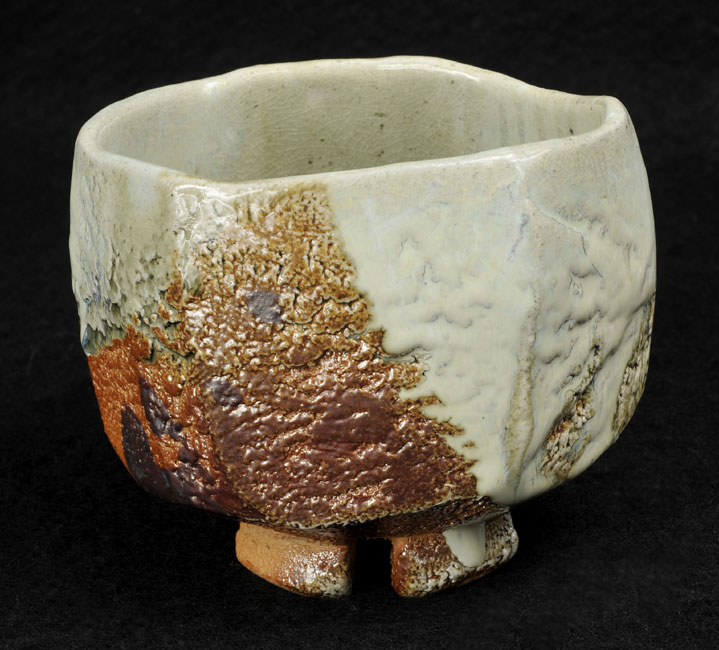
Tea Bowl #8 (3 views, box not shown)
4"H
x 4.5" x4.5" Sold
Tadashi
Nishihata
Tea Caddy #1 (2 views)
3.25"H
x 2.25"D Sold
Tadashi
Nishihata
Tea Caddy #2 (2 views)
3.25"H
x 2.25"D Sold
Kazu Yamada 山田和
Born into a potter’s family in
Tokoname, one of six oldest pottery centers in Japan, Kazu Yamada (b.
1954) developed an interest in pottery early. His career path was shaped
by meeting with several particularly influential people. When he was 15,
he worked with a group of potters who were building a large ceramic
installation entitled "The Chair of Moon" for the Osaka Expo
Exhibition Hall. Among the potters was internationally renowned ceramist
Ryoji Koie 鯉江良二.
For the first time, Yamada realized the enormous creative
potential of pottery, and decided to become a potter.
He enrolled in Osaka Art College, and
was greatly influenced by one of his teachers, famed ceramist Osamu
Suzuki 鈴木治. During that time, he shunned the so-called traditional pottery
and gravitated towards sculpture and architectural forms. Not until 1978
did he turned his attention towards tradition. In that year, ceramist
Tokuro Kato 加藤唐九郎, a Japanese icon who started the renaissance of Momoyama
pottery, came to see Yamada’s first solo show. Kato, who was in his
80s at the time, saw a great deal of talent and potential in the young
Yamada, and invited Yamada for tea. They had tea in an old Shino tea
bowl. Yamada was shocked by how strongly he responded to the old tea
bowl. He realized that drawing a distinction between contemporary and
tradition was superfluous; the tea bowl is pottery.
Since that meeting, Kato became a
mentor of Yamada, and the two continued a close friendship until Kato’s
death in 1985. Yamada shares some of Kato’s philosophy about
traditions. Both seek not to mimic old Momoyama pottery, but to create
present day renditions built upon traditions. Their Shino, Oribe,
Seto-Guro (black Seto) tea bowls are unique personal artistic
expressions. Yamada is unquestionably one of the finest ceramists who
choose to devote their lives to carry on this tradition.
Kazu Yamada. Photo courtesy of the
artist.
Kazu Yamada
Shino Tea Bowl #1 (3 views)
3.5"H
x 5" x 4.5" Not
available
Kazu Yamada
Shino Tea Bowl #2 (3 views)
3.75"H
x 5.5" x 4.75" Sold
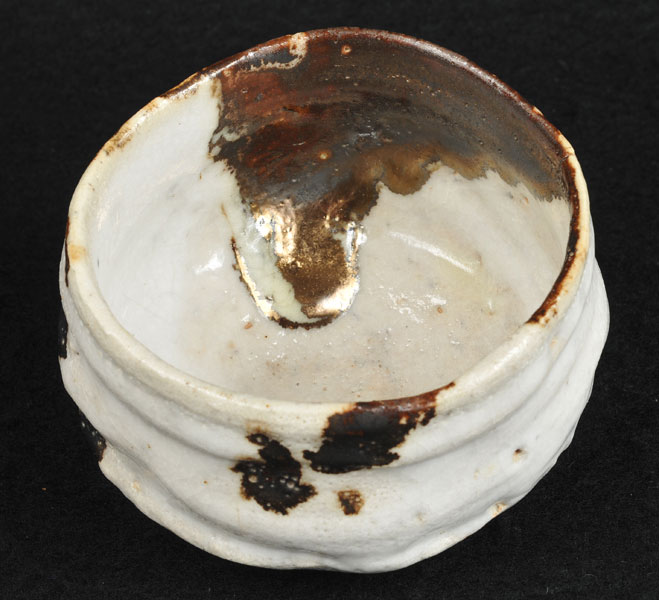
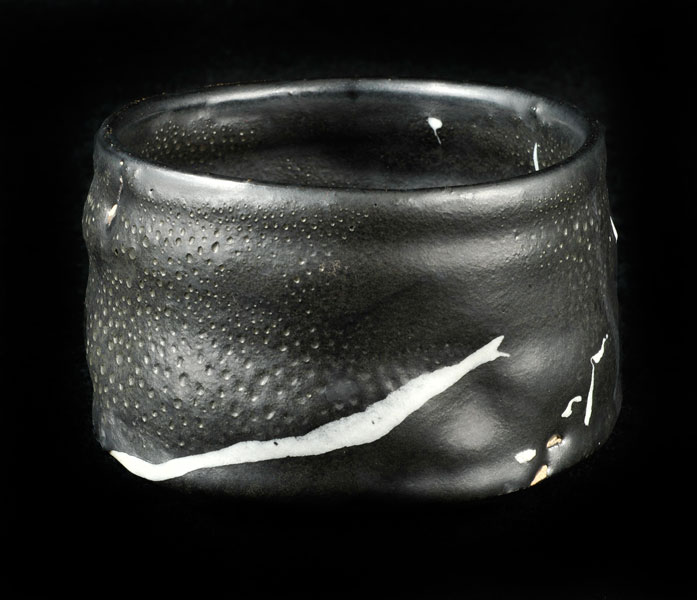
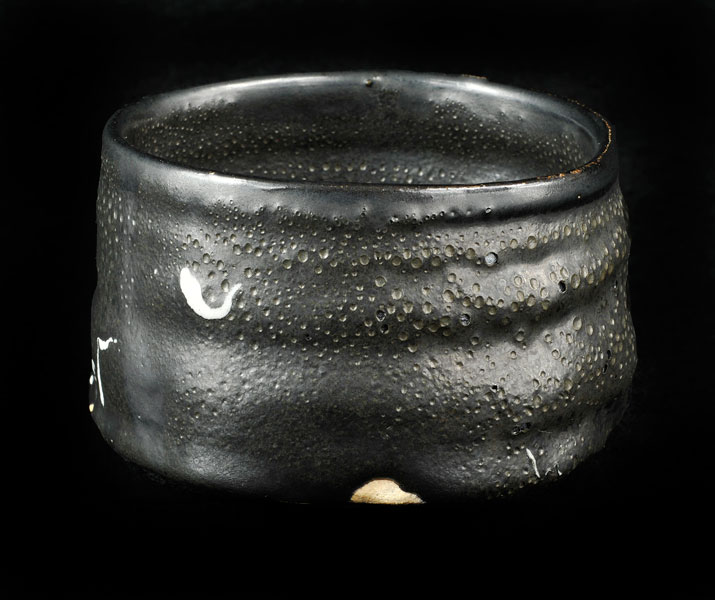
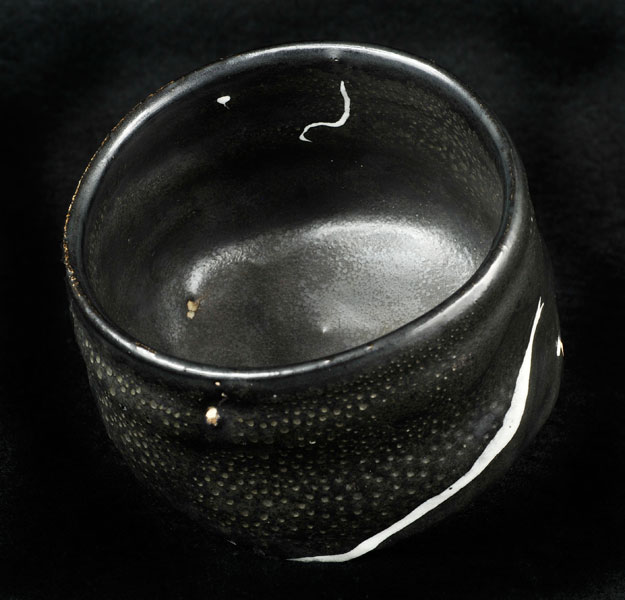
Kazu Yamada
Black Seto Tea Bowl #3 (3 views)
3.5"H
x 4.75" x 4.25" Sold
Kazu Yamada
Black Oribe Tea Bowl #4 (3 views)
3.5"H
x 5" x 4.25" Sold
Kazu Yamada
Red Oribe Tea Bowl #5 (3 views)
3"H
x 4.75" x 4.25" Sold
Old Kuro Oribe Tea Bowl
This unusual Kuro (Black) Oribe tea bowl has an
interesting history. It
comes in an elaborately decorated silk pouch and a signed wooden box.
The following writings appear inside the box lid: "Oribe Yaki,
Sumiyoshi-to Go, Taisho, Soan". The writings suggest that this bowl was acquired sometime during the Taisho period (1912 - 1925)
by Takahashi Soan, who named it "Sumiyoshi". Takahashi Soan
(1861 - 1938) was a successful businessman and knowledgeable collector of tea
ware. He authored the encyclopedic "Taisho Meiki
Kan", a 10-volume reference on famous Japanese ceramists and
their works.
Additional writings on the exterior of the box identify the piece as
"Oribe Kutsu", and name the maker as "Kinkuro, Oribe 10 Saku".
The name Kinkuro is also carved into the bottom of the bowl.
According to legends, renowned tea master Furuta Oribe (1543 -
1615) named ten outstanding Seto potters in recognition of their works.
One of them was Kinkuro. However, little information about the potter or
his lineage exists. There is one more interesting piece of history
attached to this bowl. A wooden tag sewn onto a piece of cloth wrapping
for the box bears the name "Magoshi Kasho". Magoshi, known as
the King of Beer, was a magnate in Japanese beer industry in the Meiji
era. Magoshi Kasho was also an avid collector of tea ware. This bowl
appears to be among his prized possessions shortly before his death in
1918.
Old
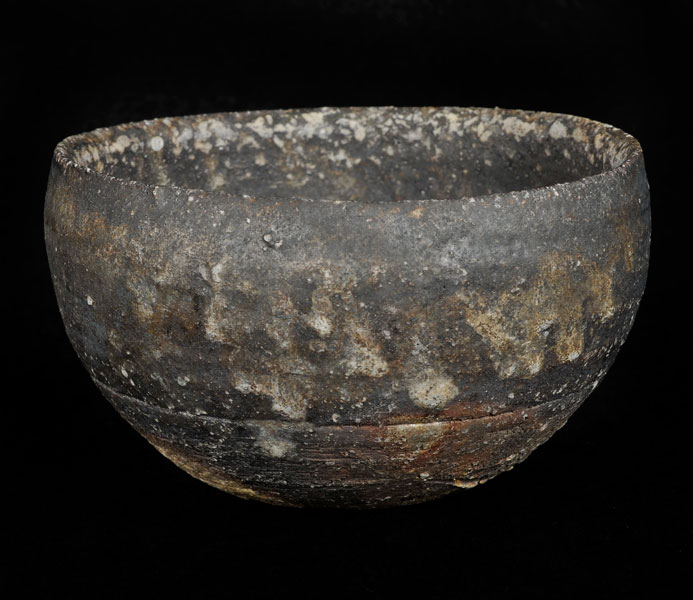
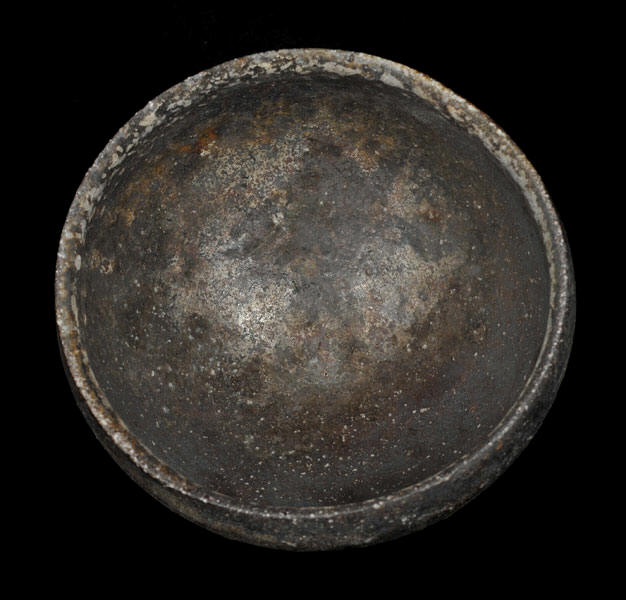
Kuro Oribe Tea Bowl named "Sumiyoshi"
2.25"H
x 6" x 4.25" Not
for sale
Classic Hagi Tea Bowls
The current show includes two classic tea bowls by 12th-generation Hagi
potter Tahara Tobei
(1925 - 1991). The bowl "Sogen" was a tribute to a historic
Japanese tradition. According to this tradition, the emperor invites
scholars to a poetry gathering
at the Imperial Court of Japan in the New Year. A
different theme is chosen every year for the New Year Poetry Party. The theme
for the year 1963 was "Sogen" (Prairie). This tea bowl was likely made
to celebrate the occasion. It is decorated
with drawings of grass blades, and the name "Sogen" appears on
the wooden box. The second tea bowl also by Tahara Tobei has a classic Wan Nari shape
and beautiful crazing.
Tahara Tobei
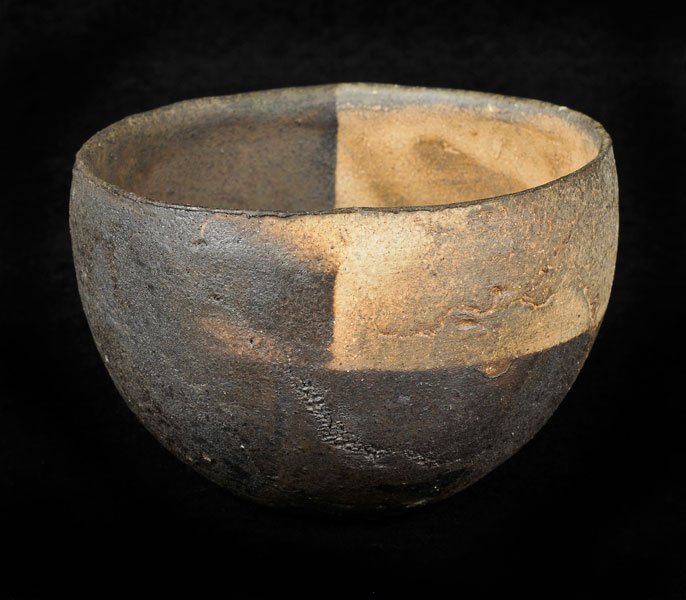
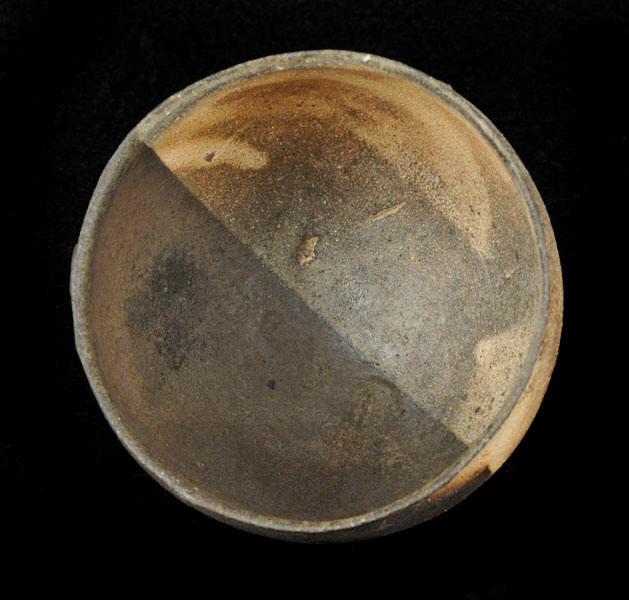
Hagi Tea Bowl #1, named
"Sogen" (Prairie)
3.5"H
x 4.5" x 4.25" Sold
Tahara Tobei
Hagi Tea Bowl #2
3.25"H
x 5.25" x 5.25" Not
for sale
Morioka
Kasho Iga Tea Caddy
2.5"H
x 2.5"D Sold
This
piece is dated to early 1900's. Current (3rd) generation of the Morioka
family continues its ceramic tradition in Kyoto.
2003
Events at Touching Stone Gallery & The New Mexico Museum of
International Folk Art (MOIFA)
June
13 - Aug 6: Japanese Tea Bowl Masterworks Exhibition at Touching
Stone Gallery, 539 Old Santa Fe Trail. Opening reception: June 13
(Friday), 5-7 p.m. Show through August 6.
June
14: Tea ceremony entitled "Tranquillity in Action" performed
by Dr. Shozo Sato at MOIFA on Museum Hill at 1:30 p.m.
June
15: Lecture: "Ceramics for the Senses in the Japanese Tea
Ceremony" by Dr. Shozo Sato at MOIFA on
Museum Hill, 3:30-4:30 p.m.
Shozo Sato 佐藤昌三
Dr. Shozo Sato, our special guest who
will perform a Japanese tea ceremony and present a lecture at MOIFA, has
devoted his long distinguished career to education of Japanese art and
culture. Dr. Sato received a Ph.D. from Towson University and a D.F.A.
from the University of Illinois. He was the founding director of Japan
House, a Japanese cultural center at the University of Illinois. He is
now Professor Emeritus of the University of Illinois.
In addition to being a master of the
Japanese tea ceremony, Dr. Sato is also a master of Ikebana (flower
arrangement) and sumi-e (Oriental brush painting), and an author of
books on Japanese art. He is also a director and producer of Kabuki
(Japanese opera). His Kabuki productions have received many
international honors and awards, including the Critic’s Choice Award
for Best Director at the Cairo International Experimental Theatre
Festival, Joseph Jefferson Award (Chicago), awards from San Francisco
Bay Area Theatre Critics Circle, Hollywood Drama Guild, Vita Award
(South Africa), and Baltimore Sun Awards for directing and design. In
recognition for his life-long efforts in promoting Japanese art and
culture, the Japanese Minister of Foreign Affairs awarded Dr. Sato the
Certificate of Commendation.
Dr. Sato should be no stranger to fans of Japanese
arts in Santa Fe. In 2001, he performed a tea ceremony at MOIFA, and
presented a Kabuki demonstration entitled "The Seven Happy Gods"
at the Lensic Theatre.