| Home | Current show | Photography/Calligraphy | Show archives | Japanese pottery | Tea bowls | Sumi-e | Gallery tour | Wabi sabi |

Touching Stone Gallery Santa Fe New Mexico USA
www.touchingstone.com Email: director@touchingstone.com
Touching Stone Gallery Santa Fe New Mexico USA
www.touchingstone.com Email: director@touchingstone.com
|
Tadashi Nishihata Spirit of the Mountain (March 13 - Apr 28, 2004)
See more of this artist's work in: Nishihata's 2003 show 2004 show 2006 show 2008 show 2010 show 2013 show |
||
 |
||
|
Tadashi Nishihata
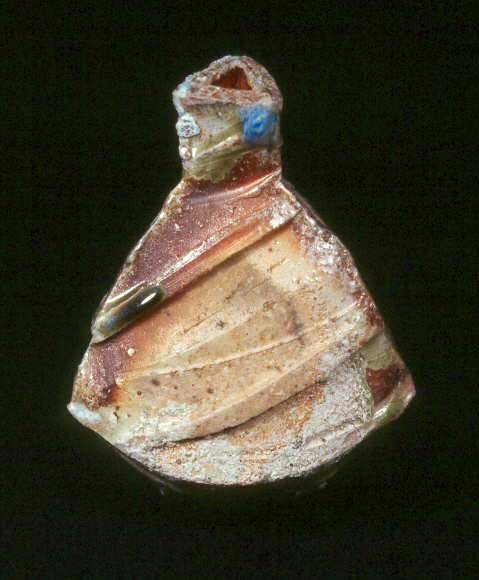
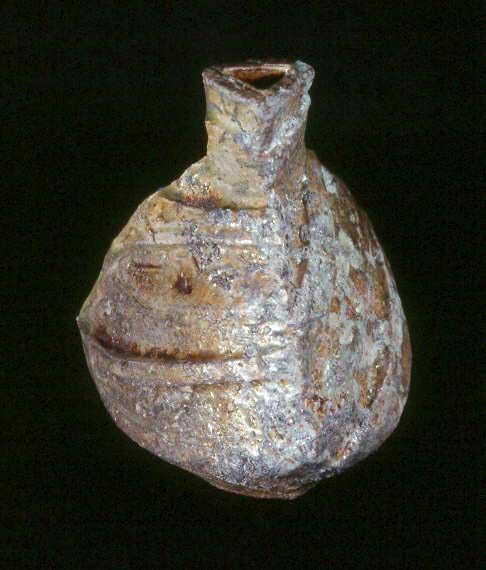
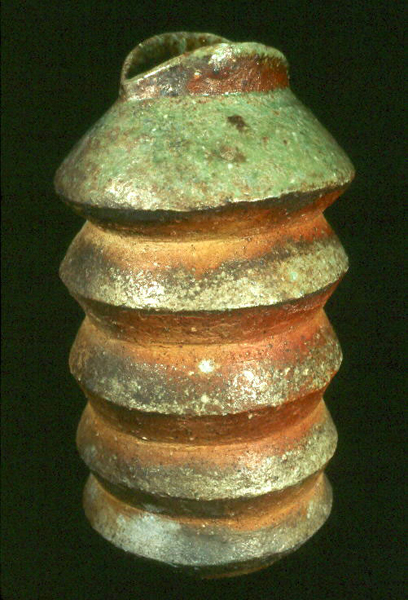
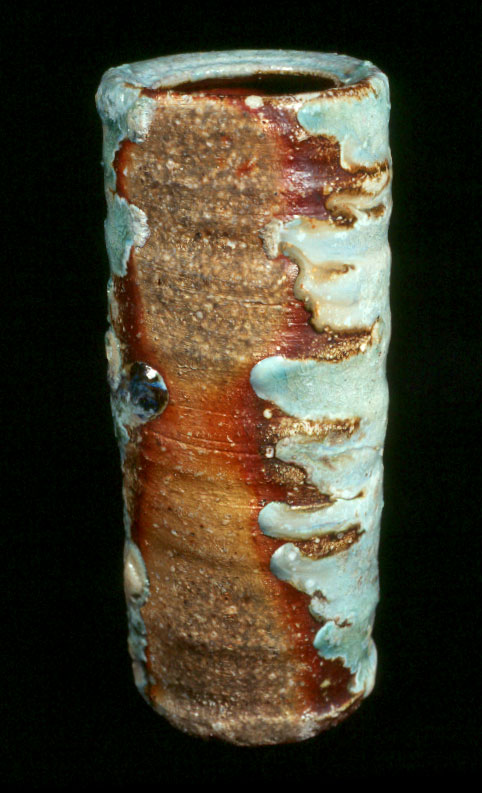
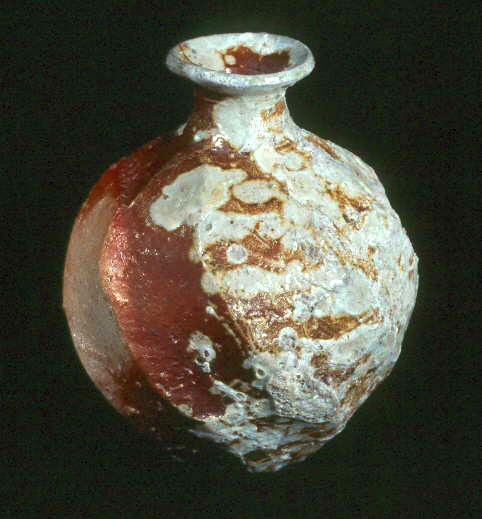
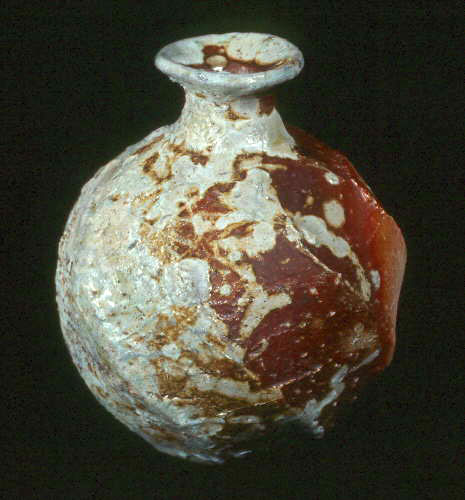
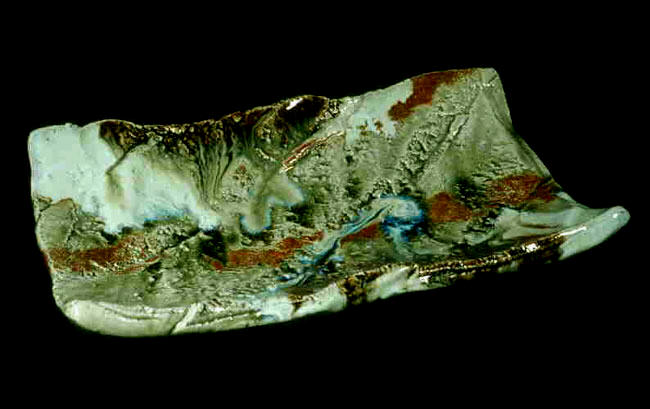
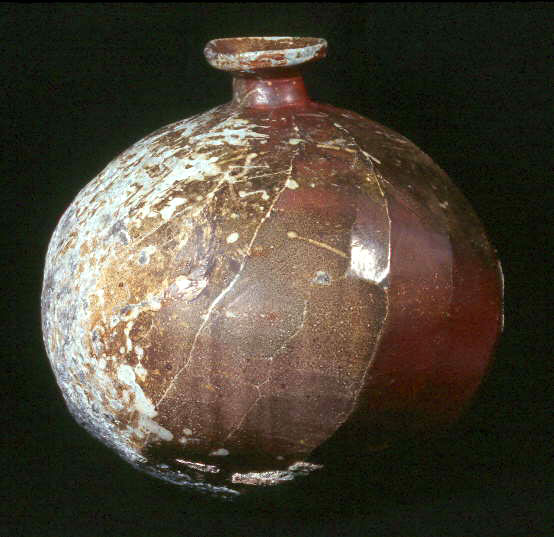
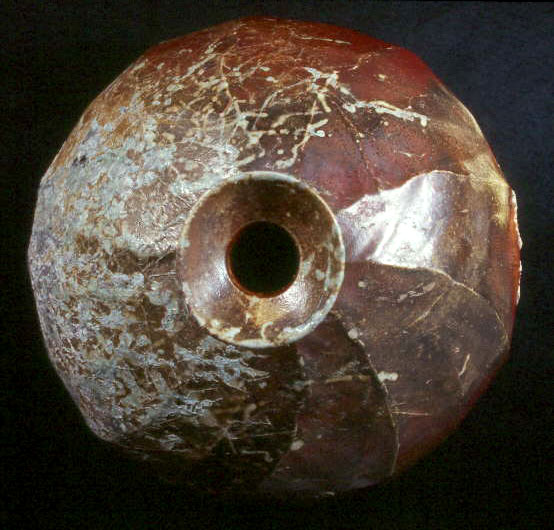
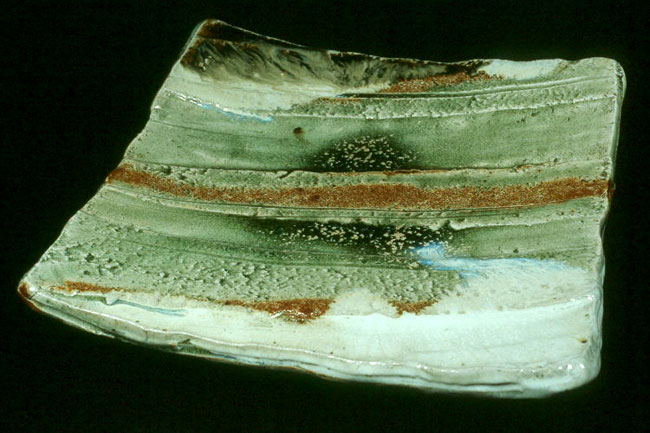
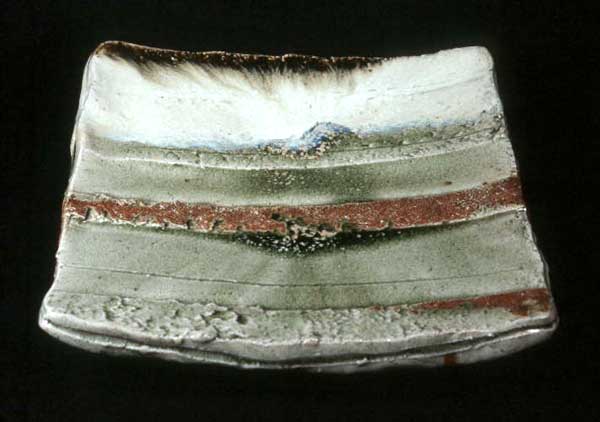
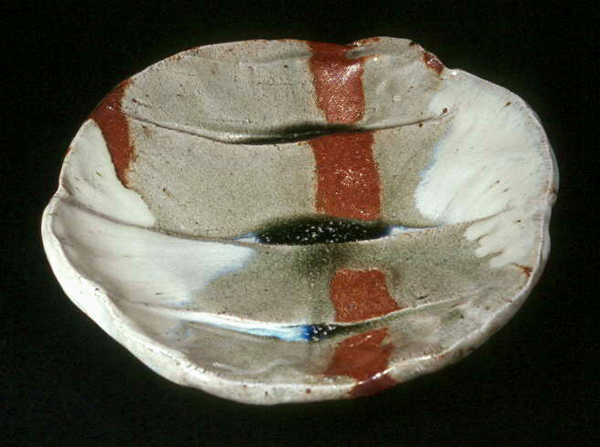
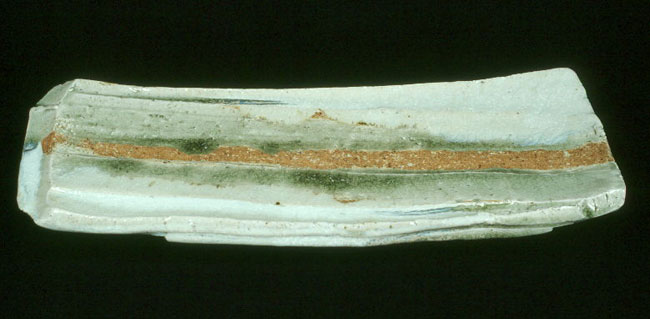
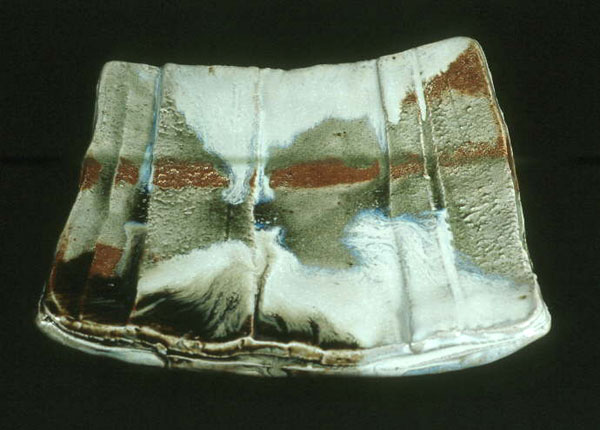
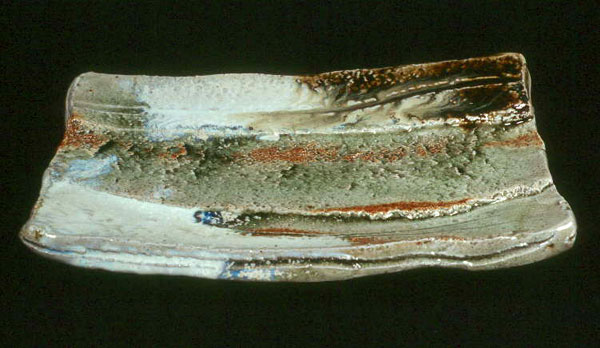
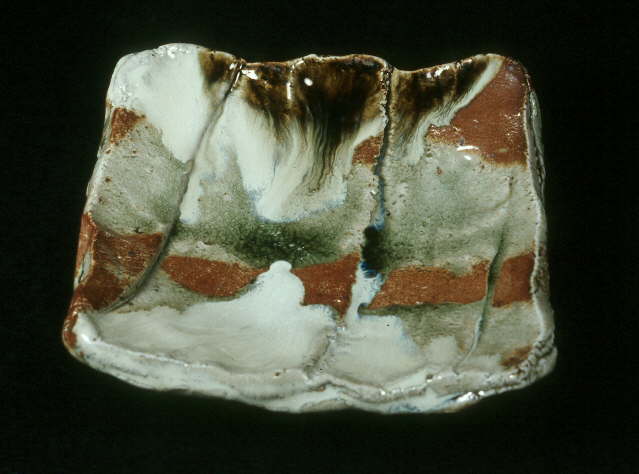
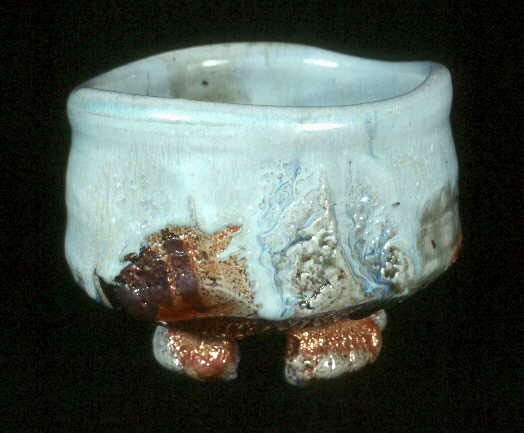
西端正 Touching Stone Gallery is honored to host the first major solo exhibition in America of an extraordinary body of work of Tadashi Nishihata. In addition to his legendary Aka-dobe-yu (red clay glaze) finish, Nishihata created a spectacular series of platters entitled the "Spirit of the Mountain" collection specially for this show. They are designed with 'feet' to be hung like paintings on the wall to vividly capture the artist’s vision of the changing seasons. Nestled in a beautiful valley along the Shitodani River that runs through towering mountains northwest of Kyoto is the picturesque village Tachikui, historically known as Tanba, one of the six oldest pottery centers in Japan. The rich ferrous soil in this area has supported generations of farmers and artisans since the Kamakura period (1180 - 1230). The oldest existing noborigama (climbing kilns) in Japan are still used here. This beautiful setting inspires the spectacular ceramics by Tanba master Tadashi Nishihata, whose work is featured here in his America debut at the Touching Stone Gallery. Tadashi Nishihata (b. 1948) came from a family steeped in Tanba pottery traditions. His great great great grandfather Ichifusa was a master potter known for his figurative sake bottles in the late Edo period (early 19th century). Nishihata’s father, Sueharu (b. 1926), is a respected ceramist who has exhibited extensively. The long historic and familial background provides tremendous depth for Nishihata’s exploration in ceramic art. Among Nishihata’s many contributions to Tanba pottery is his rediscovery of an ancient Tanba finish, called Aka-dobe-yu. In the early Edo period (1603 – 1867), some Tanba potters applied a certain type of mud onto their pots to prevent leakage. To their delight, the patched areas turned a deep chestnut-red color after firing. Inexplicably, pottery with this beautiful chestnut-red color was made for only 20 to 30 years, after which the method for creating it was lost. Since then, numerous potters have tried to reproduce this ancient finish without success. Nishihata experimented for more than 30 years using different clay and firing techniques to re-create the Aka-dobe-yu finish. In 2001, he successfully produced the deep chestnut-red Aka-dobe-yu finish on his pottery. Nishihata draws inspirations from nature. Every winter, west wind blowing from the Sea of Japan brings snow to the mountains around Tanba, transforming the valley into a wonderland of frosted rocks and forests. When spring comes, melting snow turns the rivers and streams into turquoise and emerald rainbows, as green shoots emerge from the rich black soil. Nishihata wants to express the feelings of changing seasons through his ceramic work, using a wood-firing kiln and natural materials from his surroundings. In the past 15 years, he has been experimenting with glazes made from various materials, including ashes from different types of wood and even rice stalks. This experience allows Nishihata to use fire with as much expressiveness as a painter’s colors, to create spectacular abstract ‘landscapes’ on his ceramic works. Nishihata attributes the beautiful texture of his work to a special type of clay that he discovered some years ago while hiking in a remote area in the mountains. This clay has just the right viscosity for sculpting dramatic landscapes by cutting facets (mentori) and ridgelines (ryo-sen) into his pieces. Inquiry/order: director@touchingstone.com |
||
The lopped tree in time may grow again Most naked plants renew both fruit and flower The sorest wight may find release of pain The driest soil suck in some moist'ning shower Times go by turns and chances change by course From foul to fair, from better hap to worse - Robert Southwell |
||
 |
 |
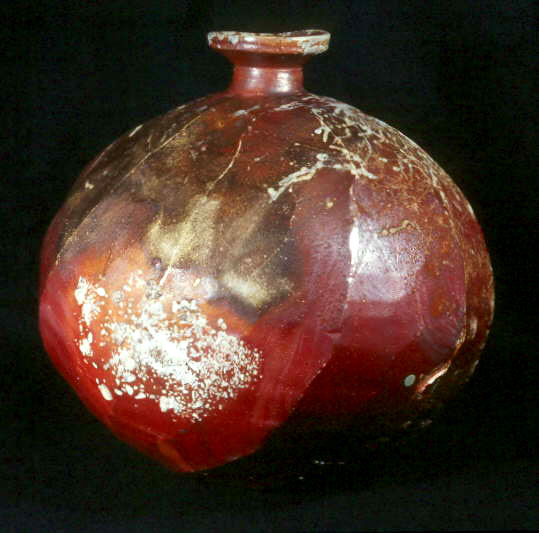 |
| "Times Go by Turns" Mentori ceramic vase #22 w/ Aka-dobe-yu finish 13.5"H x 14.5"D (3 views) Sold |
||
|
|
|
| Ceramic vase #17 w/ natural ash glaze 6 7.5"H x 6" x 6" (2 views) Sold |
Incense burner #8 w/ lid 4"H x 5.5" x 5.5" (2 views) Sold |
|
|
|
| Ceramic vase #10 w/ natural ash glaze 10"H x 5" x 4.5" (2 views) Sold |
Ceramic vase #11 w/ natural ash glaze 9"H x 3.5" x 3.5" (2 views) Sold |
 |
 |
| "Pond in Spring" Ceramic platter #2 15" x 15" x 3" Sold |
"Blue Mist" Ceramic platter 15.5" x 15.5" x 2.5" Sold |
|
|
 |
| "Whirlpool" Ceramic platter #3 15.5" x 9" x 3" Sold |
"Horizon" Ceramic platter #15 11" x 11" x 2" Sold |
 |
 |
| "Three Rivers" Ceramic platter #14 10.5" x 11" x 2" Sold |
"First Snow" Ceramic platter #4 18.5" x 7.5" x 2.5" Sold |
 |
 |
| "Spirit of the Mountain No.5" Ceramic platter #5 9" x 9" x 2.5" Sold |
"Spirit of the Mountain No.6"
Ceramic platter #6 10.5" x 7" x 2" Sold |
 |
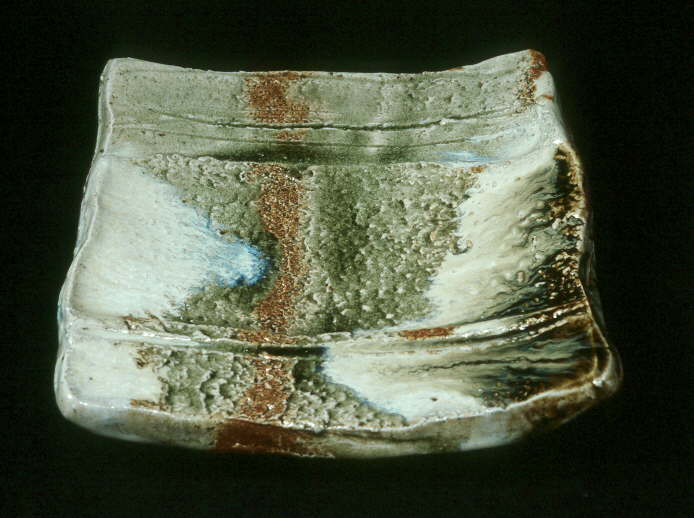 |
| "Spirit of the Mountain No.12" Ceramic platter #12 7.5" x 7.5" x 2" Sold |
"Spirit of the Mountain No.13" Ceramic platter #13 9" x 9" x 2" Sold |
|
|
|
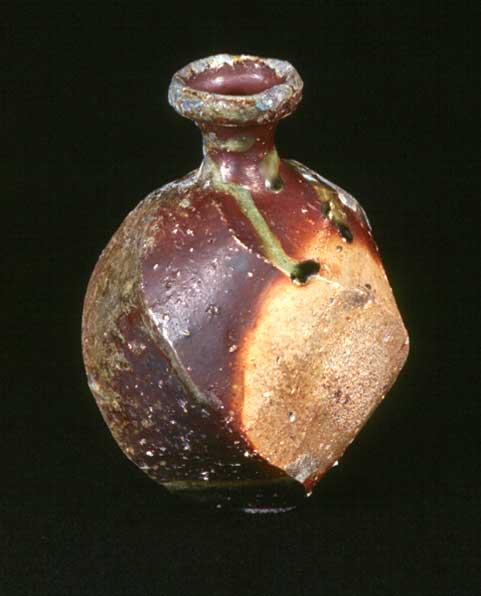
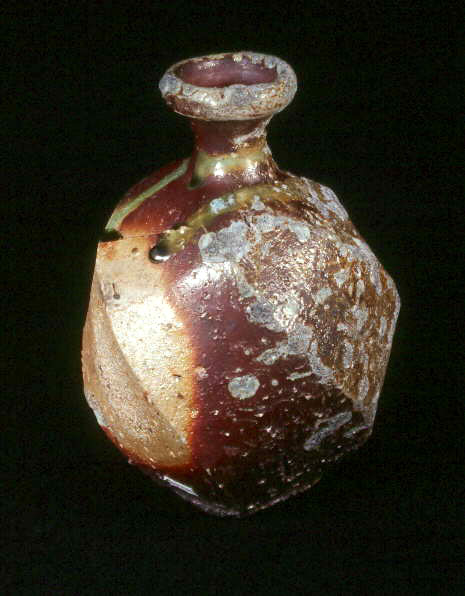
| Mentori Tokkuri/Vase #9 5.5"H x 4.5" x 4.5" (2 views) Sold |
Mentori Tokkuri/Vase #18 7.5" H x 5.5" x 5.5" (2 views) Sold |
    |
|
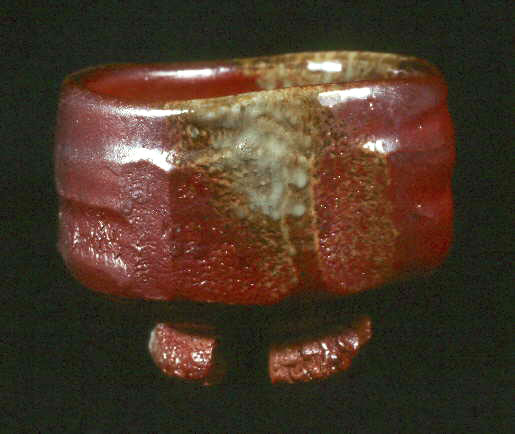
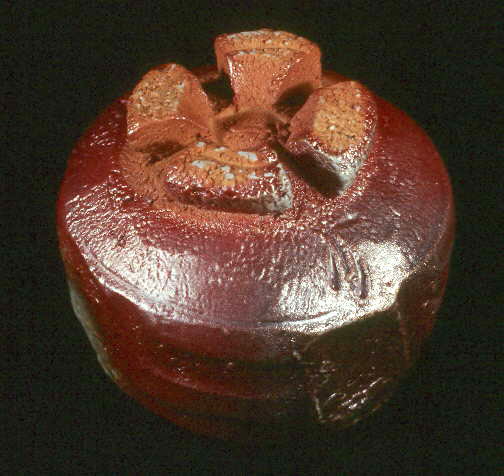
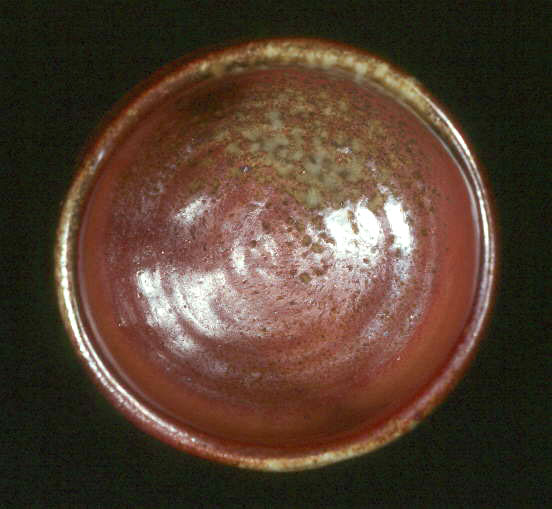
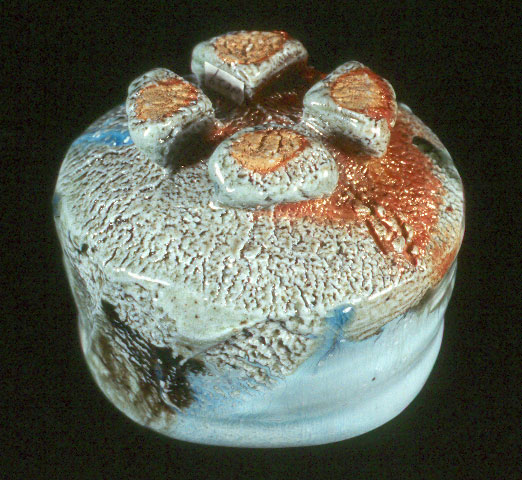
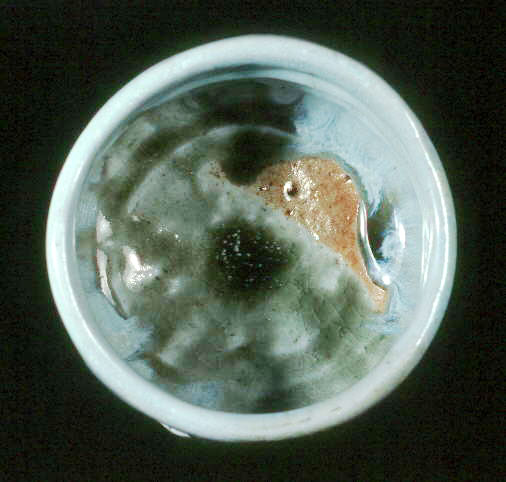
| Tea Bowl #28 w/ Aka-dobe-yu
finish (4 views) 4"H x 4.5" x 4.5" w/ box Sold |
|
    |
|
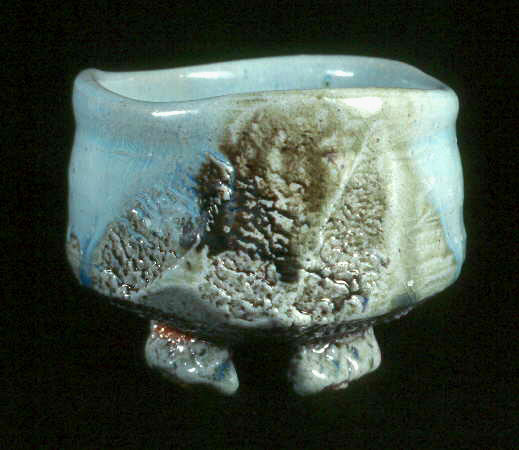
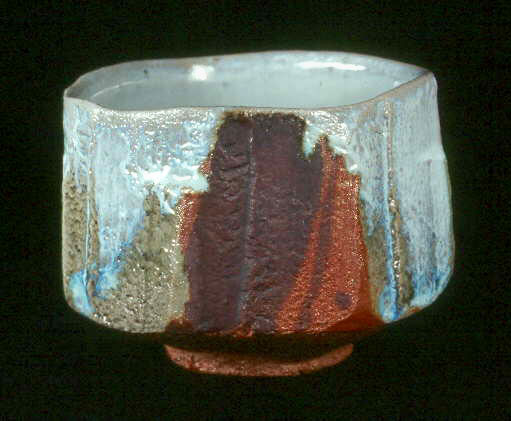
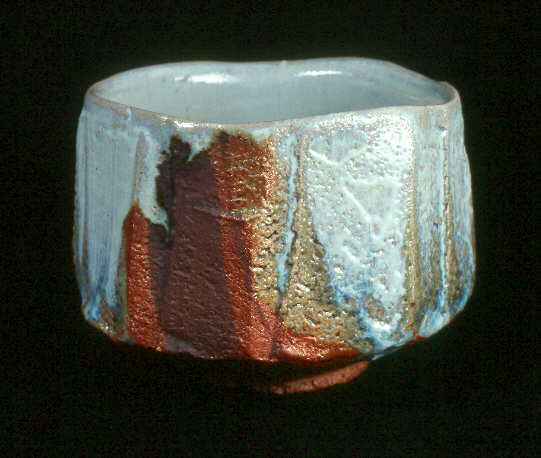
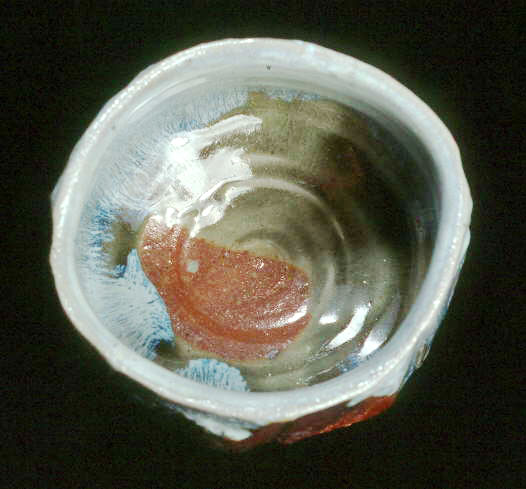
| Tea Bowl #29 w/ Hai-yu
glaze (4 views) 4"H x 4.5" x 4.5" w/ box Sold |
|
    |
|
| Tea Bowl #8 w/ Hai-yu glaze
(4 views) 4"H x 4.5" x 4.5" w/ box Sold |
|
  |
|
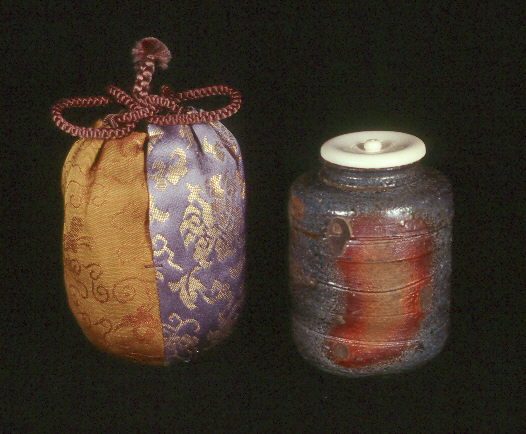
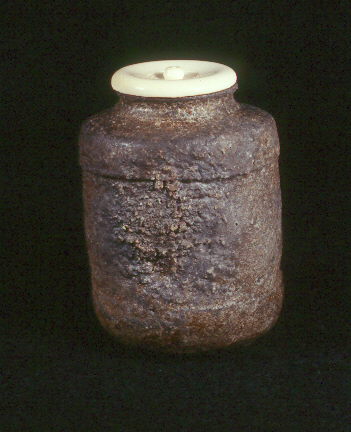
| Tea Caddy #2 (2 views) 3.25"H x 2.25"D Sold |
|
   |
|
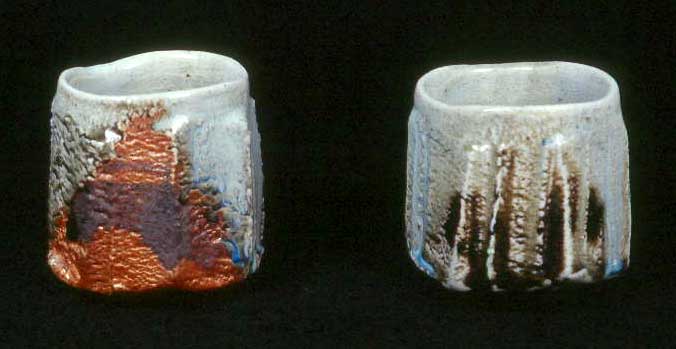
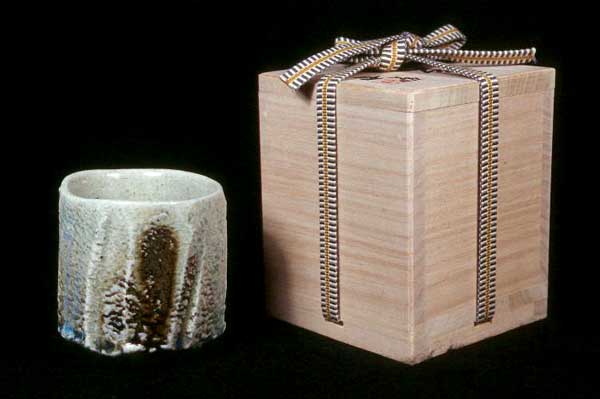
| Guinomi (Sake cups) #23,
#24, #25, #26, #27 with Hai-yu glaze Approx. 2 - 2.6"H All Sold |
|
 |
Home |
|
Current show |
|
Photography/Calligraphy |
|
Show archives |
|
Gallery tour |
|
|
Japanese pottery |
|
Tea bowls |
|
Sumi-e |
|
Wabi sabi |
Photography and web design by Touching Stone Images. All texts and images protected by US and international copyright laws.
Copyright © Touching Stone Gallery. All Rights Reserved.