| Home | Current show | Photography/Calligraphy | Show archives | Japanese pottery | Tea bowls | Sumi-e | Gallery tour | Wabi sabi |

Touching Stone Gallery Santa Fe New Mexico USA
www.touchingstone.com Email: director@touchingstone.com
Touching Stone Gallery Santa Fe New Mexico USA
www.touchingstone.com Email: director@touchingstone.com
|
Tadashi Ito Quintessence II July 31 - August 31, 2009 |
|
See more of this artist's work: 2007 show, 2009 show, 2011 show, 2013 show |
|
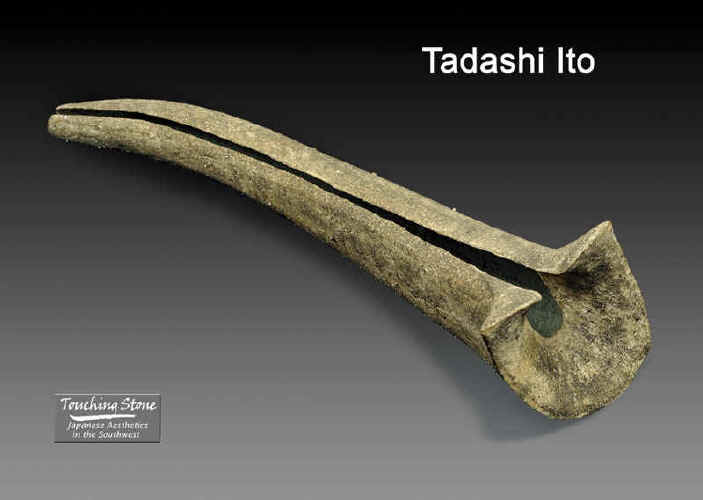
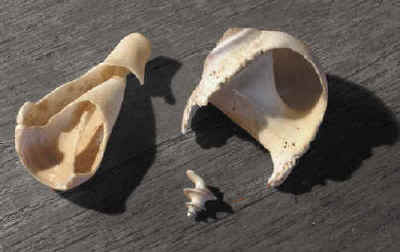
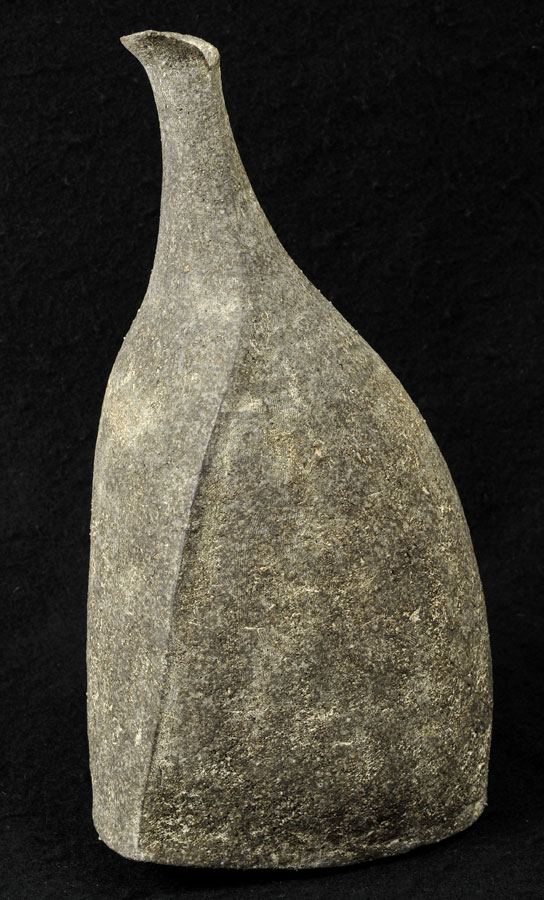
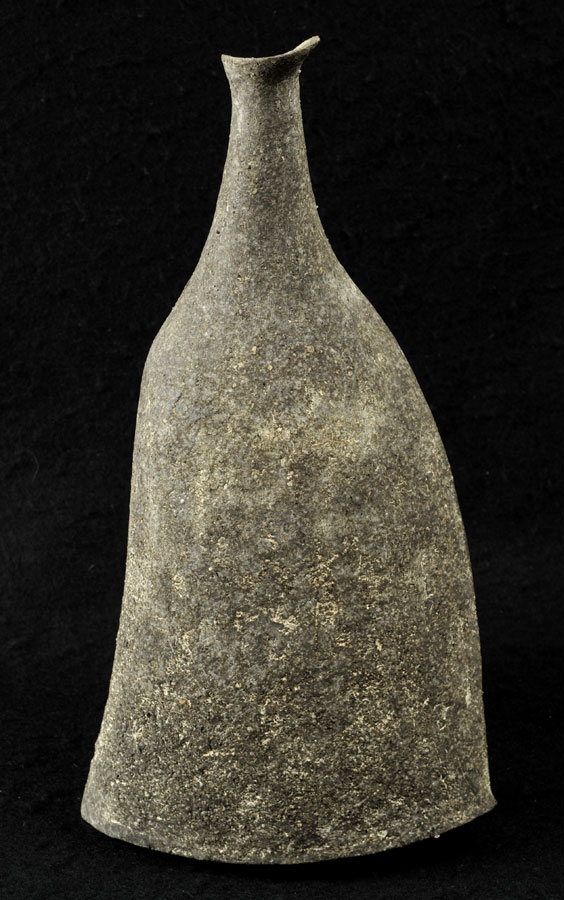
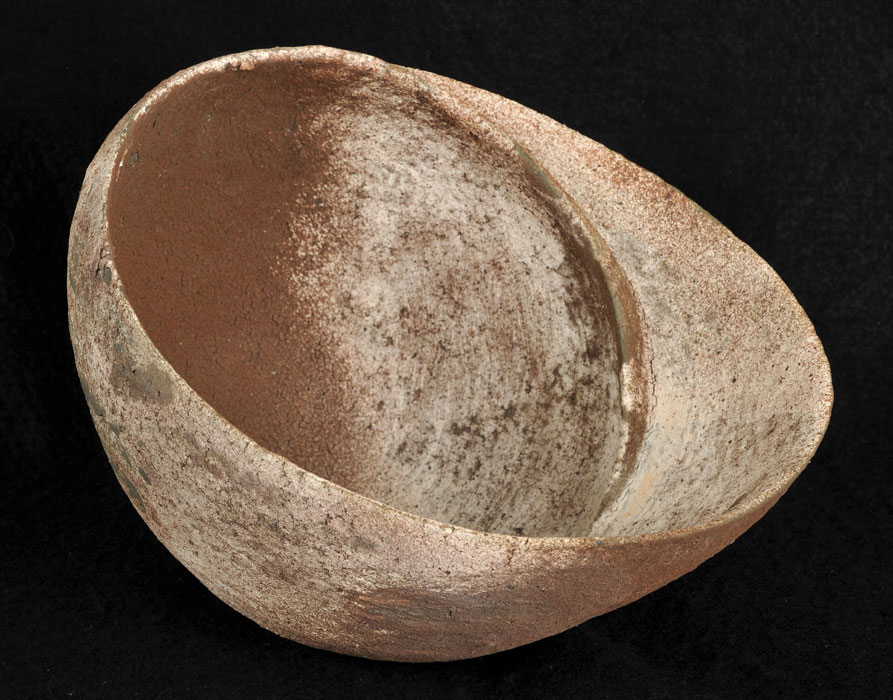
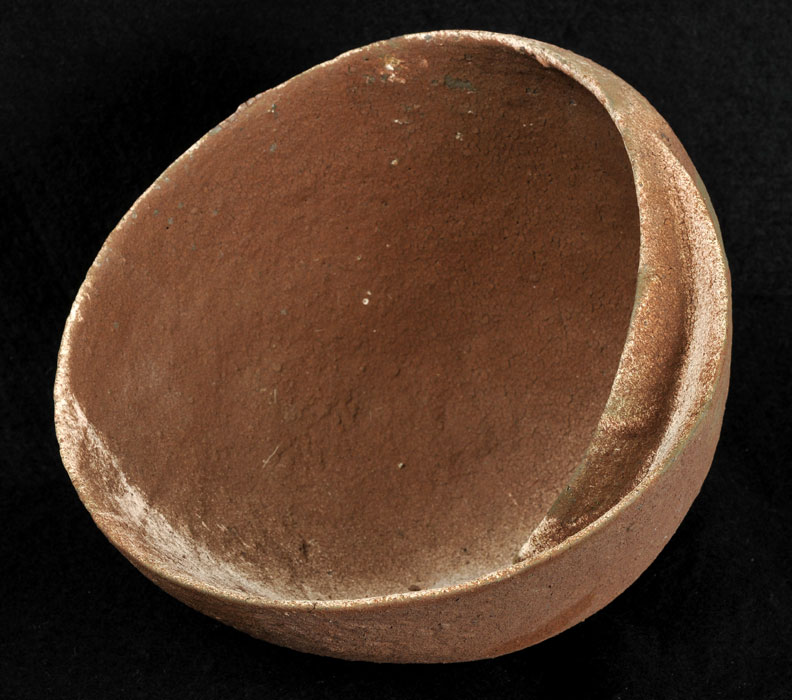
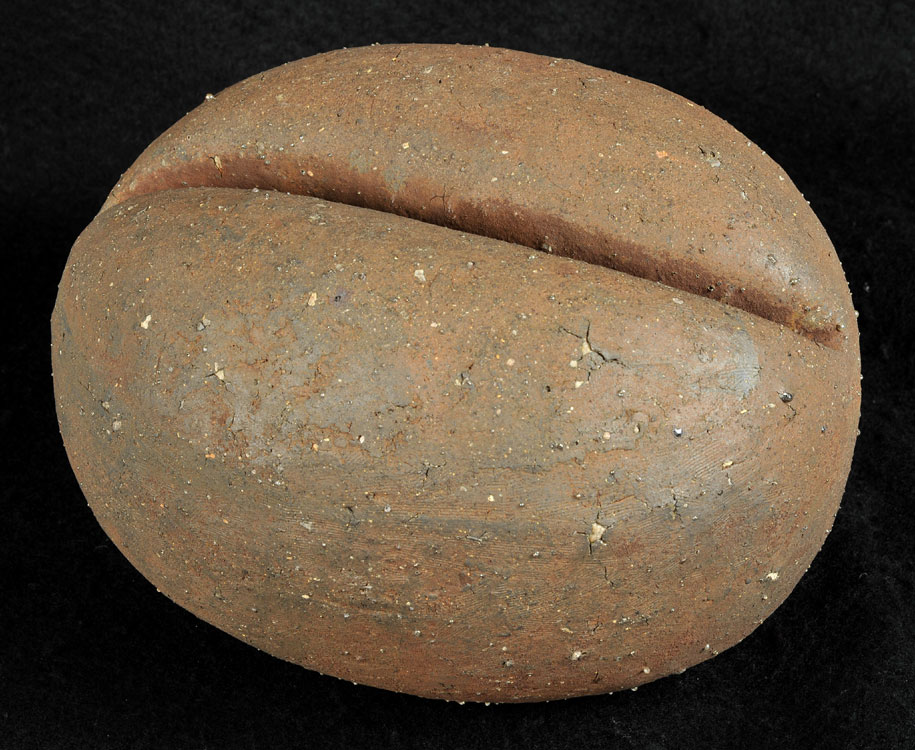
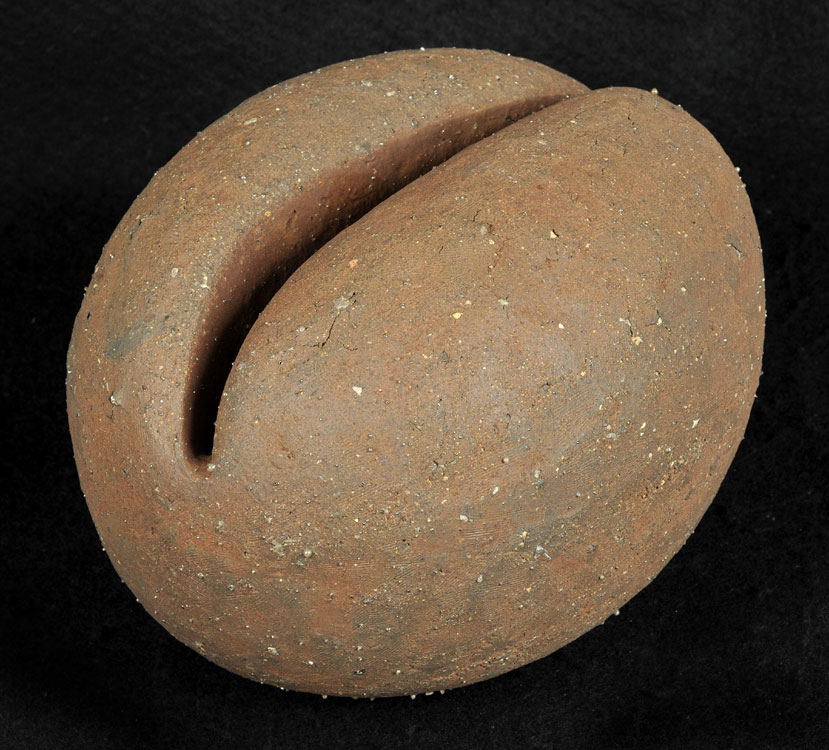
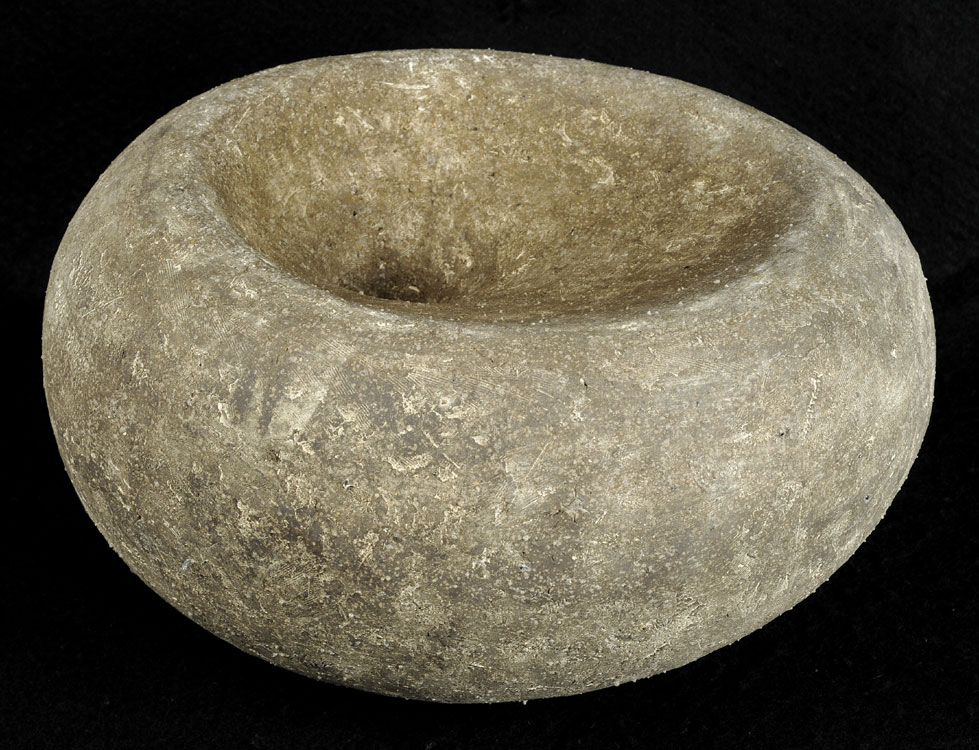
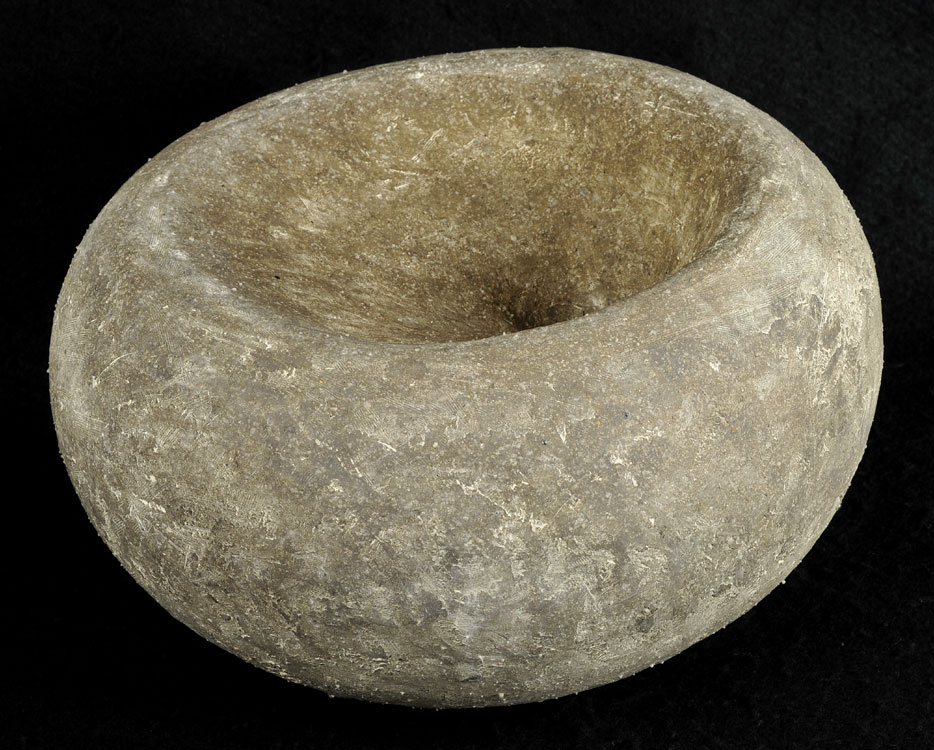
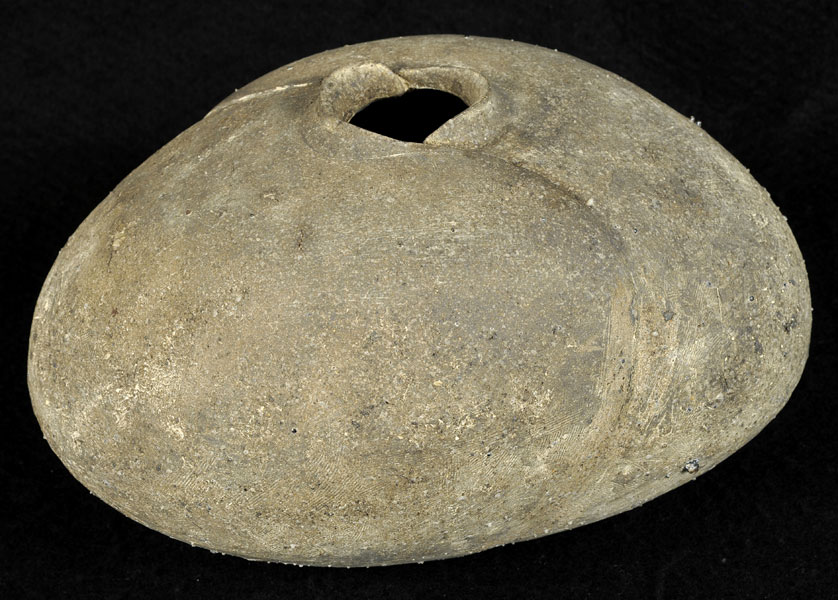
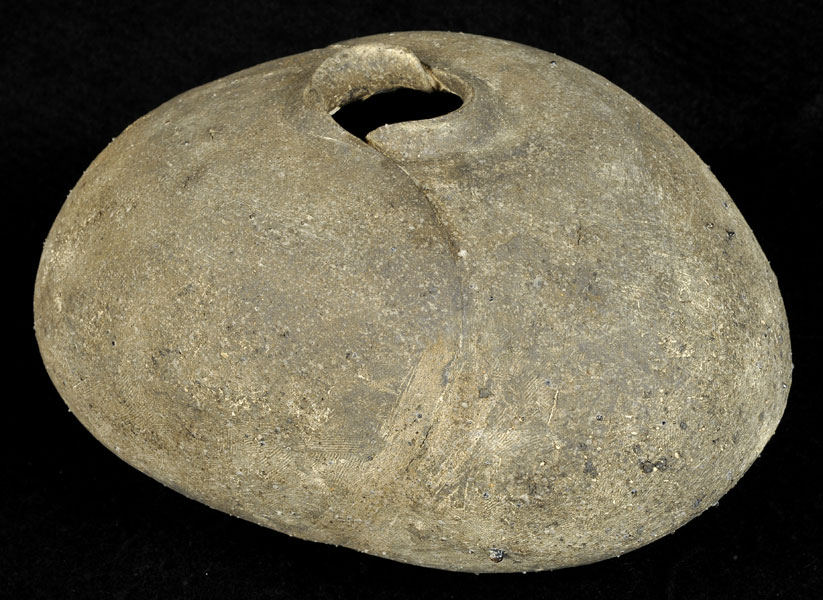
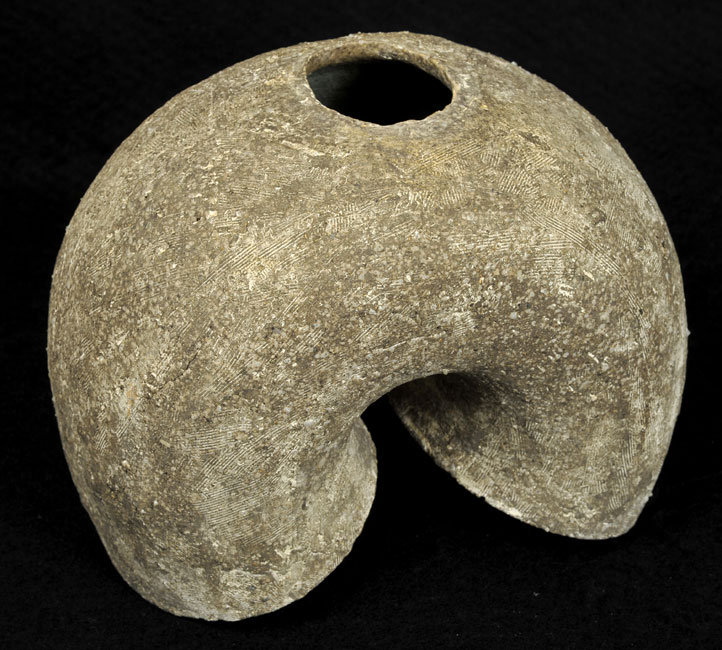
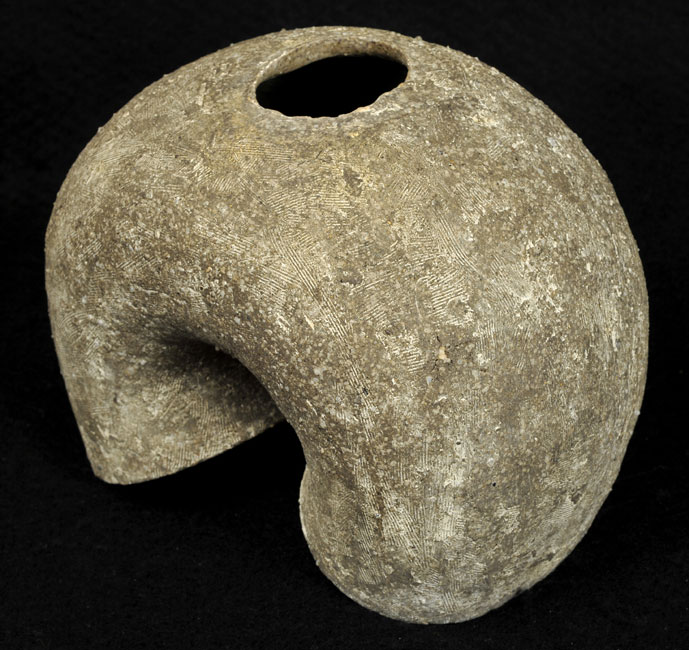
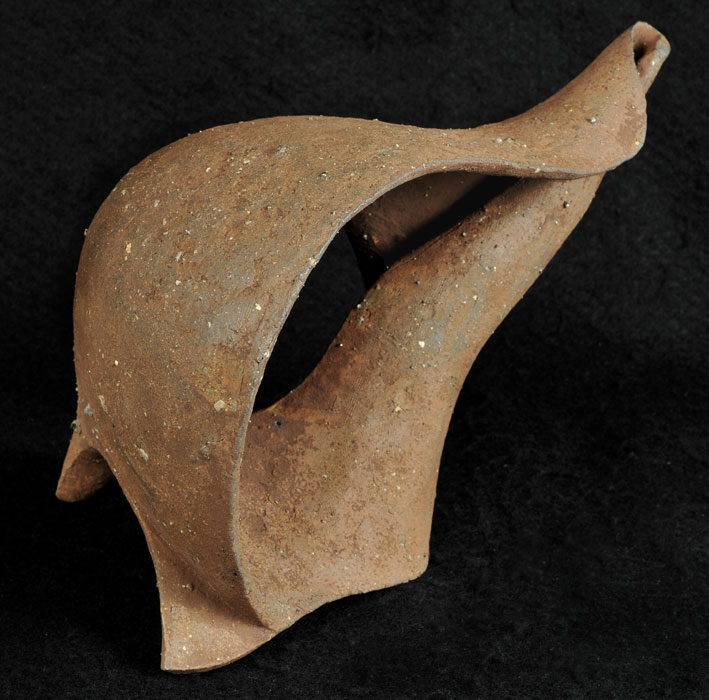
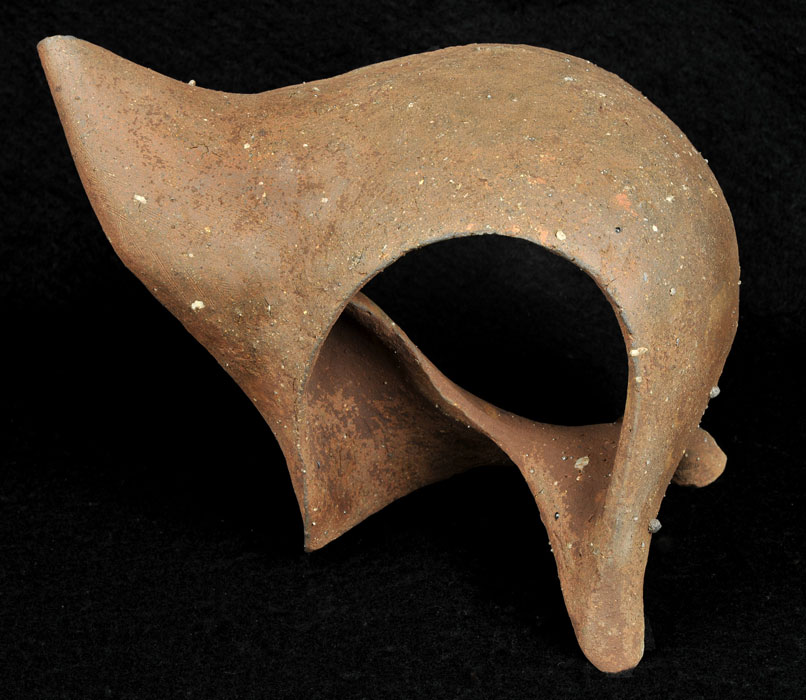
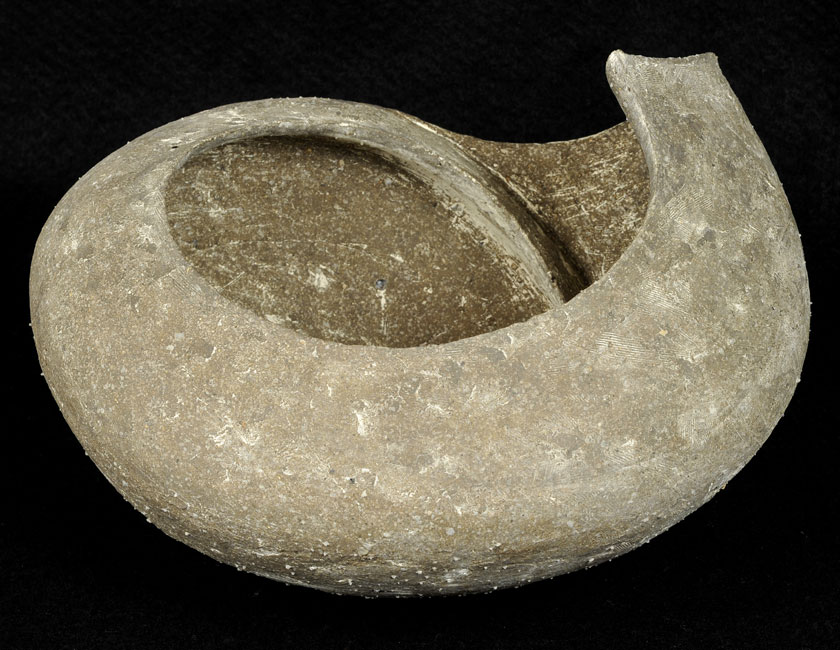
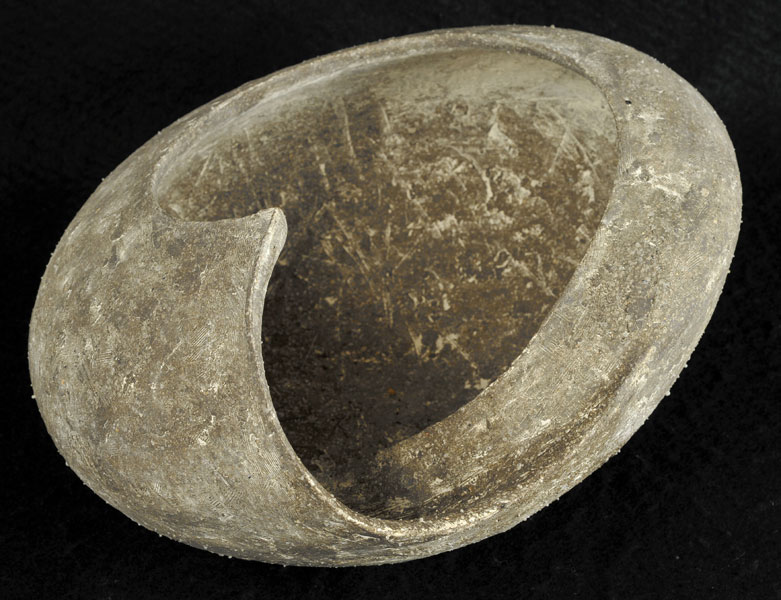
Tadashi Ito 伊藤 正 Tadashi Ito was born in 1952 in Kamaishi, a quaint fishing village in Iwate Prefecture in Tohoku in northern Japan. The area is isolated from the large metropolis in central Japan by rugged mountains covered with deep cedar forests. To the east, a shoreline dotted with sandy beaches and unusual rock formations opens to the Pacific Ocean. This serene and beautiful setting has provided life-long inspirations for some of Japan's most creative artists. Tadashi Ito studied geology in university, but he found no satisfaction in what he learned in school. At age 24, he went to India in search of the meaning of life. One hot afternoon, while traveling through the Decca Plateau, he was resting in the shadow of a temple when he noticed a young girl wearing a sari working in the field. She was tending a cow that was pulling a heavy waterwheel. The wheel turned around and around in an endless circle. Once in a while, the girl would kneel down to pick up a wild flower and admired it as if she had found the most beautiful treasure. At that moment, Ito understood what he wanted in his life. He was not to spend his life mindlessly just making a living. He wanted to live every moment sharing the incredible beauty of this world. He decided to be an artist. In 1979, he sought training in ceramic in Mashiko, a pottery center made famous by the late mingei (folk art) master Shoji Hamada. However, Ito had no interest in mingei. As a creative artist, he was not excited about repeating what had been done, churning out the same dishes and vases, no matter how beautiful. Instead he was most inspired by the innovative work of another Mashiko genius, the late Shoji Kamoda. Unlike Hamada, who put much efforts into refining existing mingei, Kamoda strived for new ideas and innovations to open uncharted territories. In 1985, Ito returned to Iwate Prefecture where Kamoda worked in his later years. He built a kiln in the ancient town of Tono, a beautiful farming town rich in history and folklore. Besides providing an excellent clay, the quiet isolated environment freed Ito from trendy commercial influences to pursue his own artistic vision. Ten years later, Ito and his wife restored a 300-year old traditional farm house in a nearby town. He built his studio and kiln there and continued to create some of the most original works seen in contemporary Japanese ceramics. Ito's vision is strongly influenced by nature's forms. One of his favorite pastime is to walk along the beach looking for seashells washed up by the tides. He is fascinated by the graceful lines and colors in seashells. Peering inside some of the shells half-exposed by erosion, he sometime feels he glimpses some hidden secrets of the universe, the quintessence of life. His work embodies those fleeting magical moments of wonder and inspiration. Throughout his career, Ito has maintained a self-imposed discipline of not turning into a 'commercial artist'. He works deliberately, charting his own course, setting his own pace, producing a limited number of highly acclaimed works for no more than two or three shows a year. In 2007, Touching Stone Gallery had the privilege to host the first solo exhibition in America. In 2008, Ito shared the prestigious Musee Tomo Prize in Contemporary Ceramics for the Tea Ceremony with four other leading Japanese ceramists (Masahiro Maeda, Kichizaemon Raku, Ryuichi Kakurezaki, Yuho Kaneshige), and their works were exhibited in the Musee Tomo Museum in Tokyo. The current show, Ito's second solo exhibition in the US, features a body of recent work that epitomizes the artistic vision of one of Japan's most extraordinary ceramic artists. |
|
Click on images to view selected pieces Inquiry/order: director@touchingstone.com, see Inquiry/Order |
|
Peering inside a shell half-exposed by erosion, I feel I'm let into some hidden secrets of the universe, the quintessence of life. - Tadashi Ito |
|
|
|
|
|
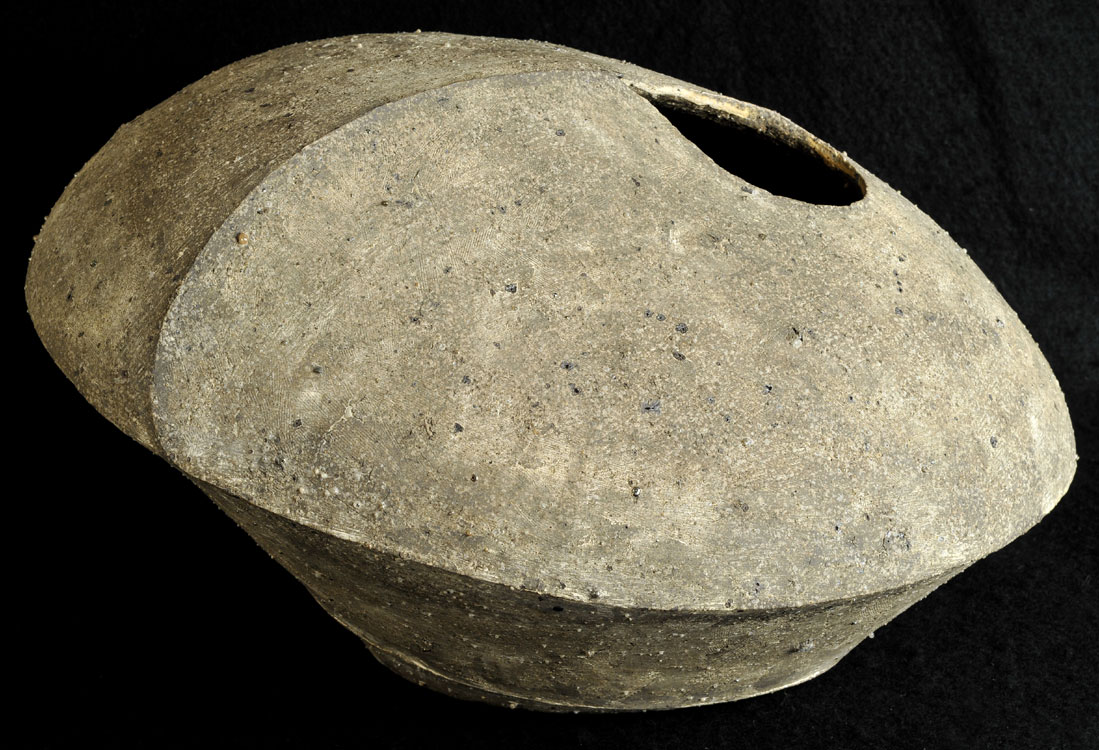
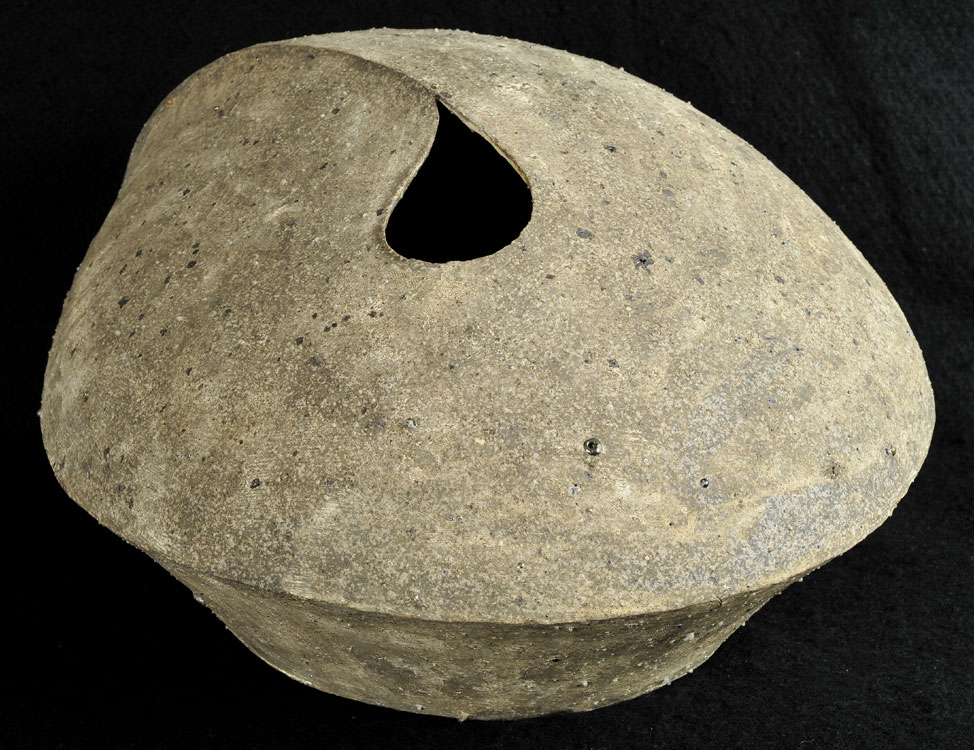
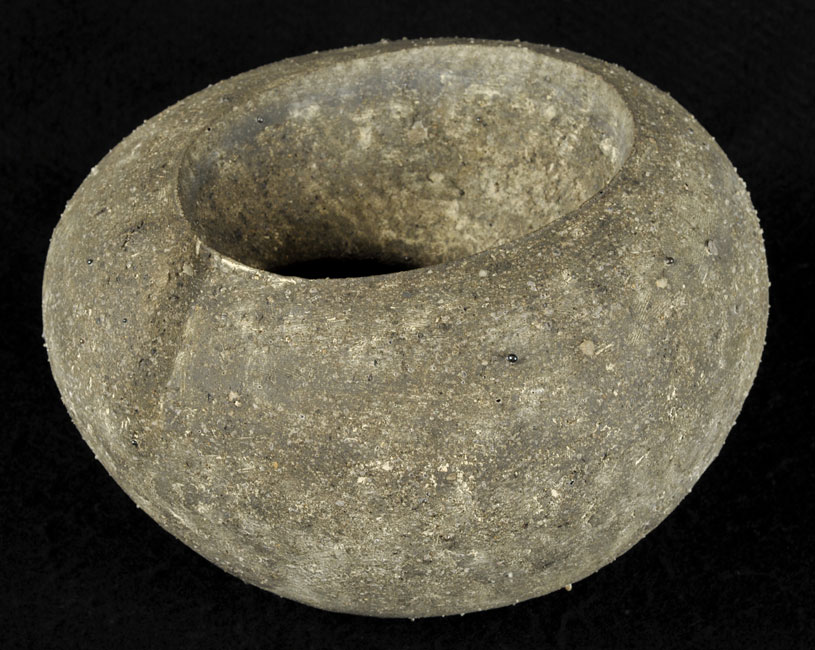
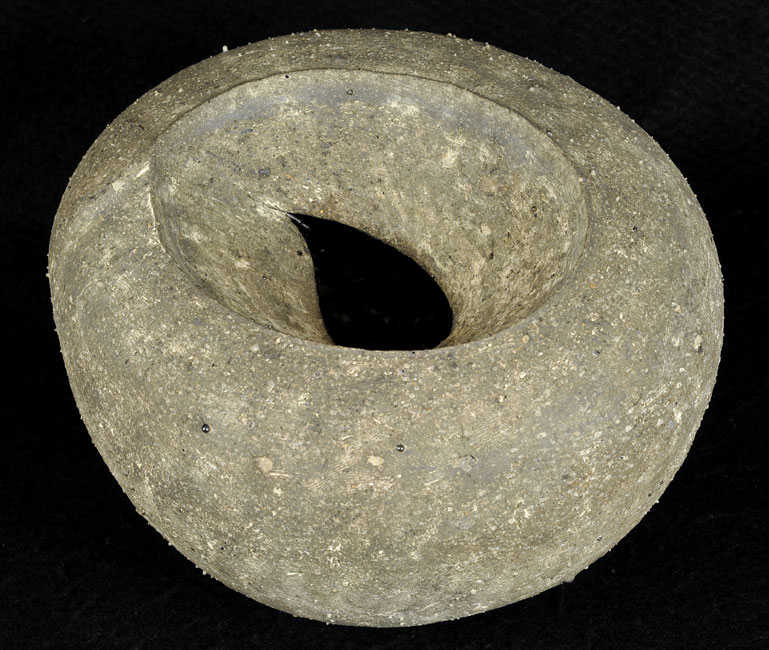
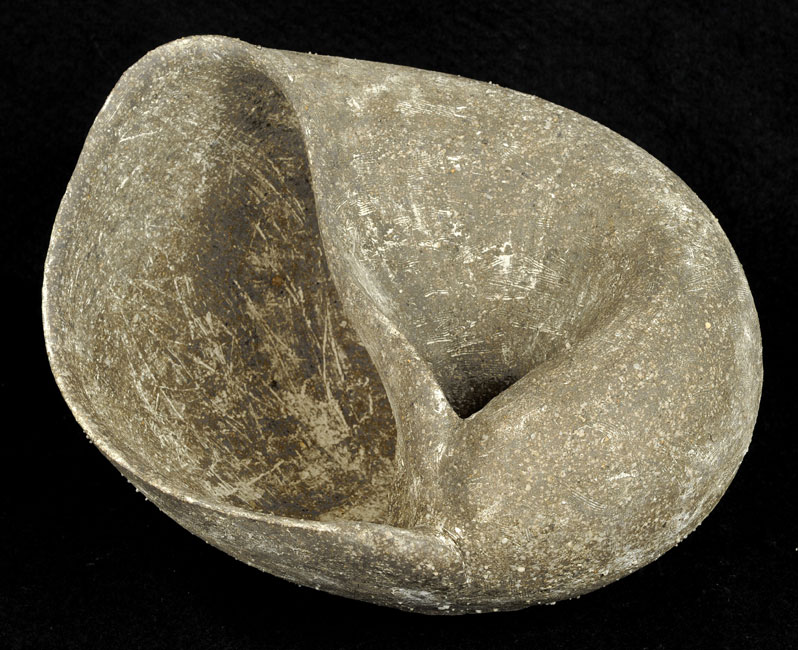
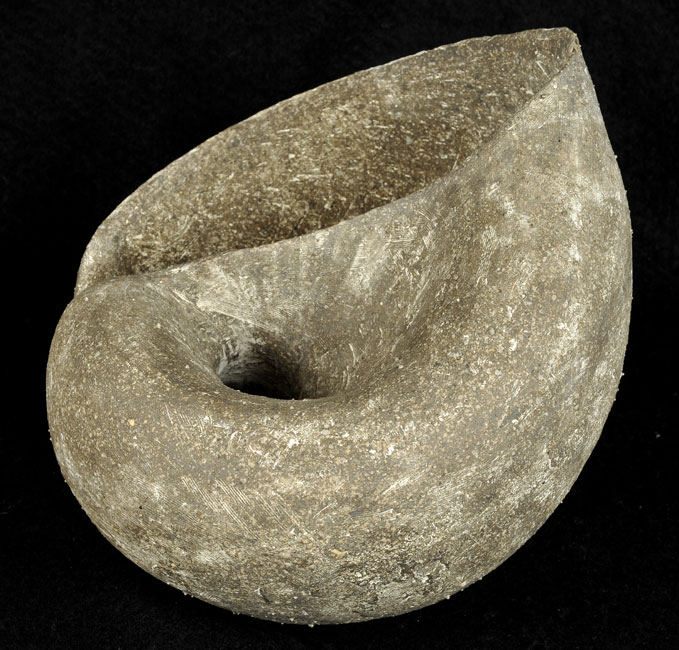
Quintessence II No. 1 Ceramic vase form 17.5" x 15.5" x 10.5" (2 views) Sold
|
|
|
|
|
|
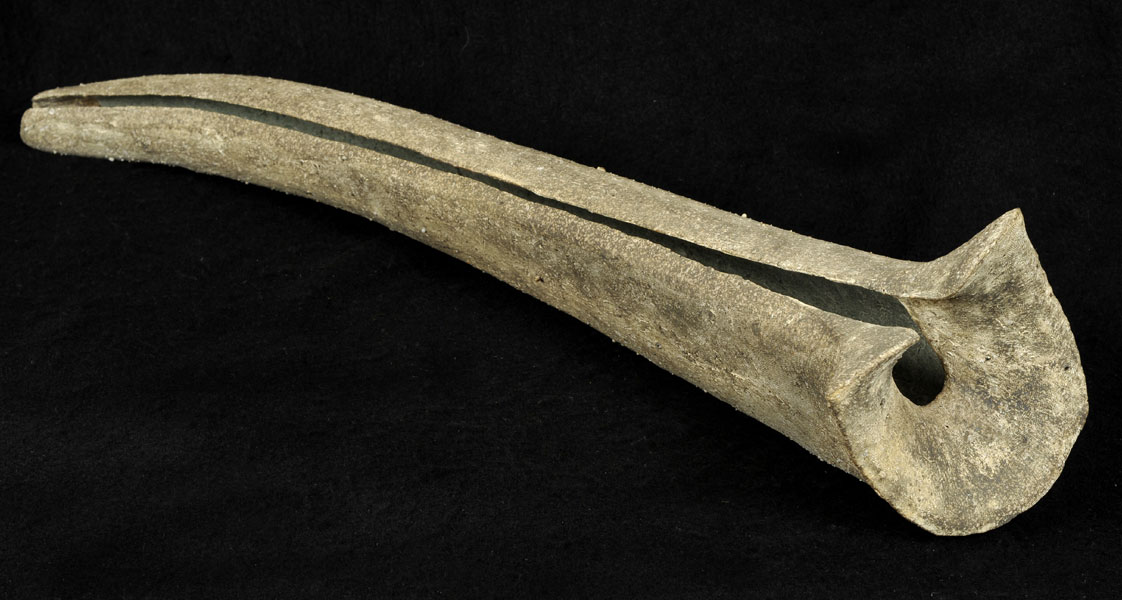
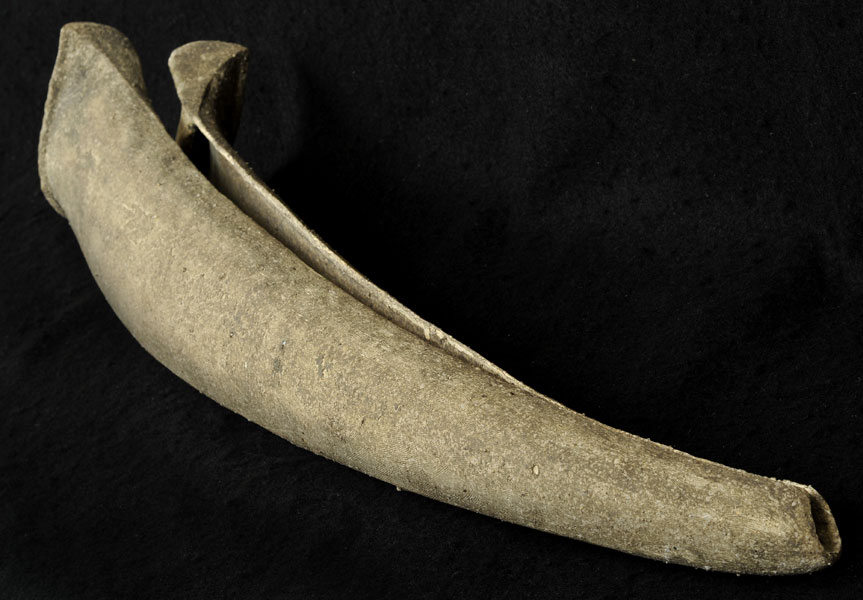
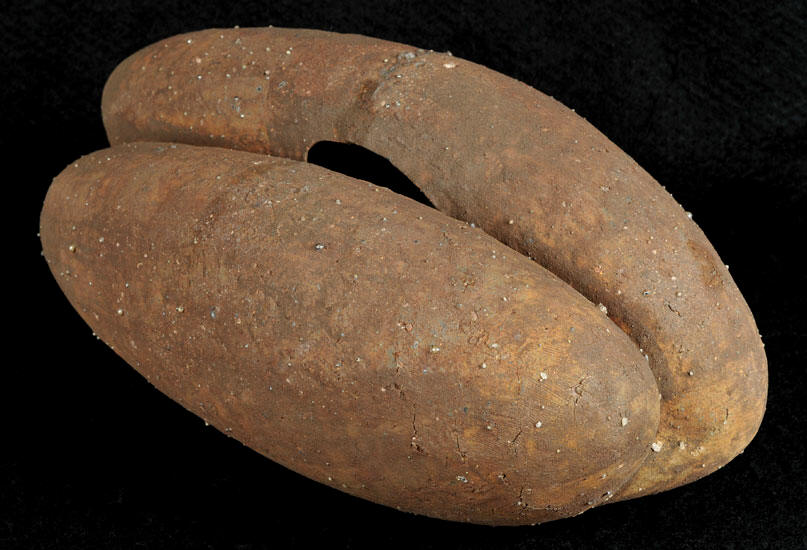
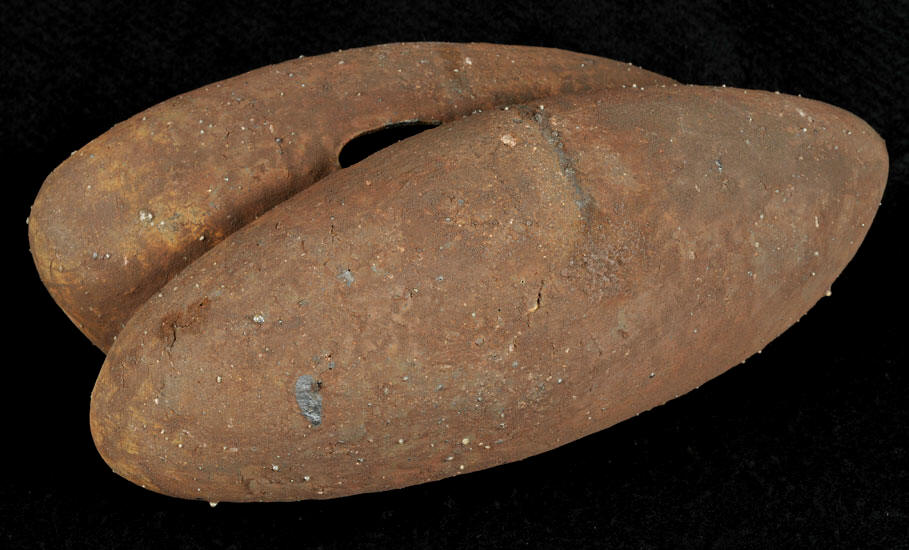
Quintessence II No. 2 Ceramic vase form 28.5" x 5.5" x 6" (2 views) Sold
|
|
|
|
|
|
Quintessence II No. 3 Ceramic vase form 9.5" x 8.5" x 6" (2 views) Sold
|
Quintessence II No. 4 Ceramic vase form 15" x 8" x 7" (2 views) Sold
|
|
|
|
|
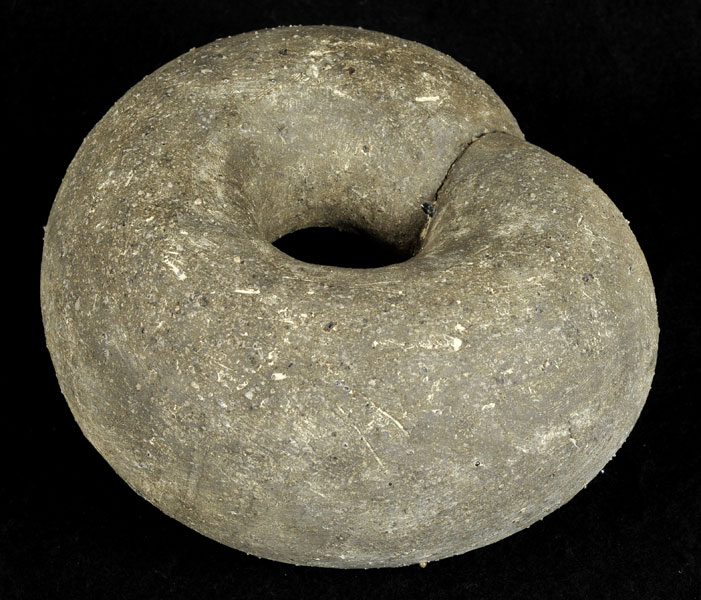
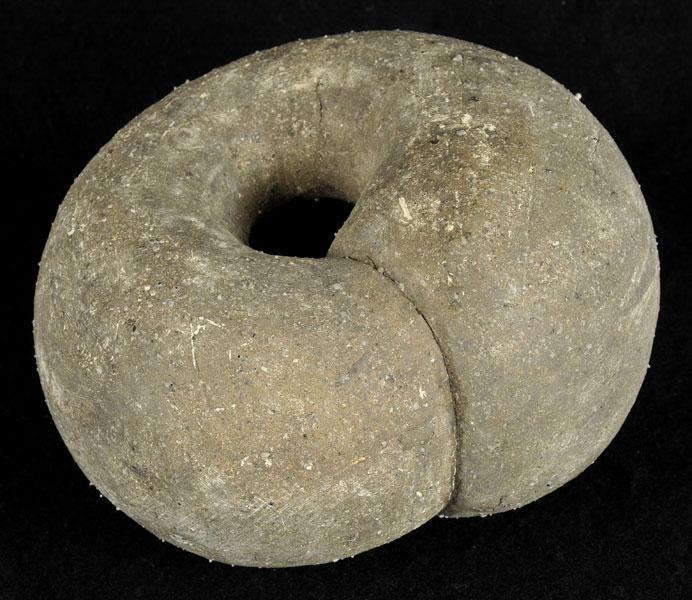
Quintessence II No. 5 Ceramic form 11" x 10" x 9" (2 views) Sold
|
|
|
|
|
|
Quintessence II No. 6 Ceramic form 10" x 8" x 7.5" (2 views) Sold
|
|
|
|
|
|
Quintessence II No. 7 Ceramic vase form 14"h x 13" x 8.5" (2 views) Sold
|
|
|
|
|
|
Quintessence II No. 8 Ceramic vase form 11" x 8" x 7.5" (2 views) Sold
|
|
|
|
|
|
Quintessence II No. 9 Ceramic vase form 8" x 5.5" x 6.5" (2 views) Sold
|
|
|
|
|
|
Quintessence II No. 10 Ceramic vase form 11" x 10" x 7.5" (2 views) Sold
|
|
|
|
|
|
Quintessence II No. 11 Ceramic vase form 15" x 9" x 7" (2 views)
|
|
|
|
|
|
Quintessence II No. 13 Ceramic form 10.5" x 7.5" x 8.5" (2 views) Sold
|
|
|
|
|
|
Quintessence II No. 14 Ceramic form 12" x 10.5" x 7.5" (2 views) Sold
|
|
|
|
|
|
Quintessence II No. 15 Ceramic form 10.5" x 9" x 8" (2 views) Sold
|
|
|
|
|
|
Quintessence II Nos. 16A, 16C Note: These are separate hanging vases 5.5" x 4" x 4.5" each 16A Sold 16C Sold
|
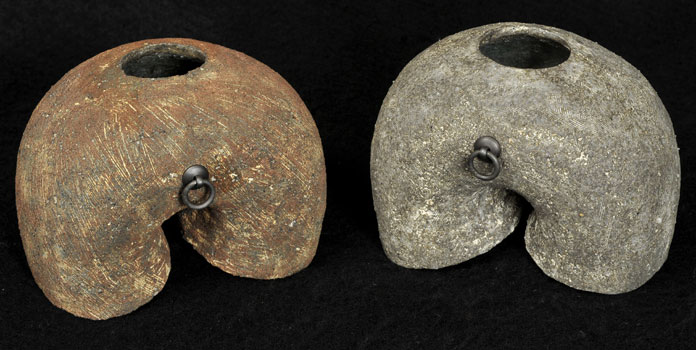
Quintessence II Nos. 17A, 17B Note: These are separate hanging vases 8.5" x 3" x 2.5" each 17A Sold 17B Sold
|
|
|
|
|
Quintessence II Nos. 18A, 18B Note: These are separate vases 6.5" x 5.5" x 3.5" each 18A Sold 18B Sold
|
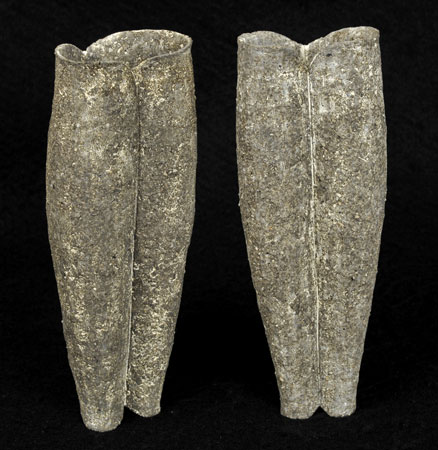
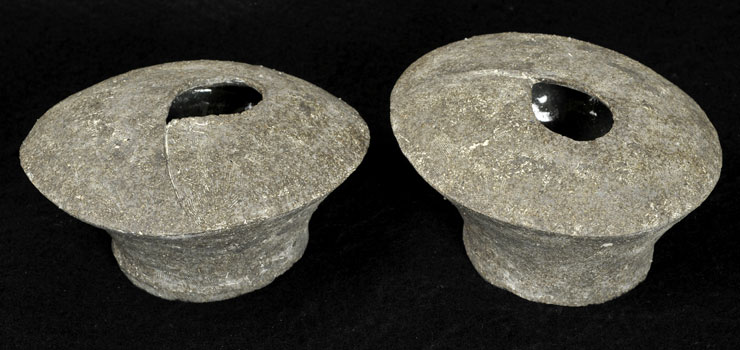
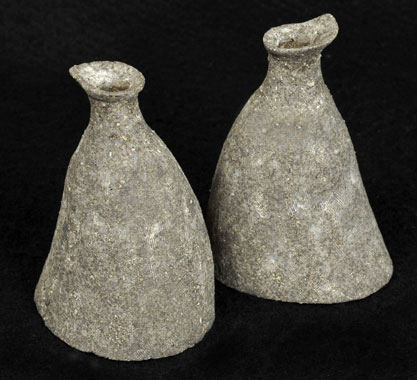
Quintessence II Nos. 19A, 19B Note: These are separate vases 5" x 3.5" x 3" each 19A Sold 19B Sold
|
|
|
|
|
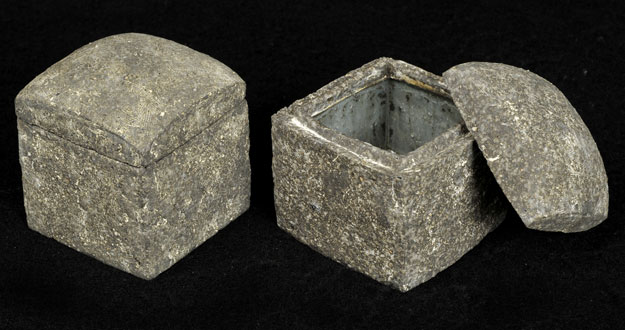
Quintessence II Nos. 20A, 20B Note: These are separate boxes 3.5" x 3" x 3" each 20A Sold 20B Sold
|
|
|
|
|
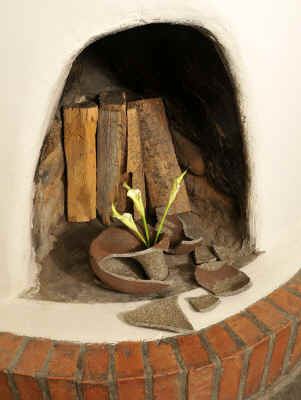
This vase was shattered during transit from Japan. Ito requested that the broken pieces be returned to the earth somewhere in Santa Fe.
|
|
Exhibitions
1990 Gallery Pusu, Tokyo 1992 Gallery Pusu, Tokyo 1994 Gallery Pusu, Tokyo 1996 Gallery Pusu, Tokyo 1997 Toukyo Gallery, Tokyo Gallery Mukyo, Tokyo 1998 Gallery Pusu, Tokyo Meiso Gallery, Sendai Toukyo Gallery, Tokyo 1999 Gallery Mukyo, Tokyo Toukyo Gallery, Tokyo 2000 Gallery Pusu, Tokyo Meiso Gallery, Sendai Toukyo Gallery, Tokyo 2001 Gallery Mukyo, Tokyo Toukyo Gallery, Tokyo 2002 Meiso Gallery, Sendai Gallery Pusu, Tokyo Toukyo Gallery, Tokyo 2003 Gallery Mukyo, Tokyo Toukyo Gallery, Tokyo 2004 Gallery Meguro Tougeikan, Tottkaichi Gallery Pusu, Tokyo Toukyo Gallery, Tokyo Meiso Gallery, Sendai 2005 Gallery Mukyo, Tokyo 2006 Tousai Gallery, Tokyo Toukyo Gallery, Tokyo Gallery Meguro Tougeikan, Tottkaichi 2007 Gallery Mukyo, Tokyo Touching Stone Gallery, Santa Fe, USA 2008 The Second Musee Tomo Prize, Contemporary Ceramics for the Tea Ceremony, Musee Tomo Museum, Tokyo 2009 Gallery Mukyo, Tokyo Touching Stone Gallery, Santa Fe, USA |
 |
Home |
|
Current show |
|
Photography/Calligraphy |
|
Show archives |
|
Gallery tour |
|
|
Japanese pottery |
|
Tea bowls |
|
Sumi-e |
|
Wabi sabi |
Photography and web design by Touching Stone Images. All texts and images protected by US and international copyright laws.
Copyright © Touching Stone Gallery. All Rights Reserved.